Hunting Standing Corn and Beans in the Delta
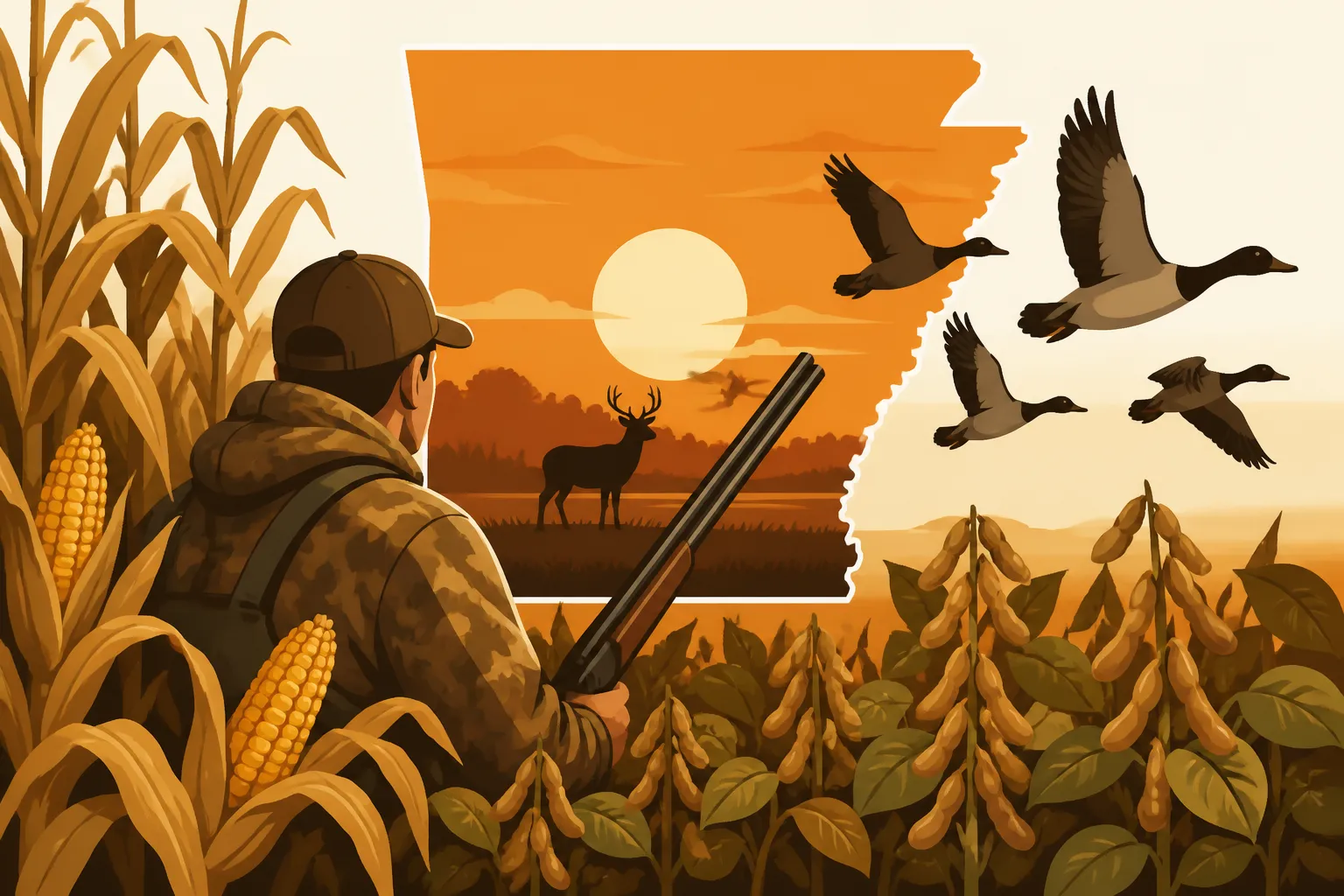
If you've spent any time driving through the Arkansas Delta in the fall or winter, you've seen them: vast expanses of corn and soybean fields, some harvested, some still standing. For many hunters, these seemingly endless rows present a real head-scratcher. How do you even begin to hunt deer in such a massive, dense environment? It feels like looking for a needle in a haystack, but those fields are prime deer habitat, and this guide is here to unravel the mystery, helping you understand how to approach these productive, yet challenging, agricultural landscapes.
Why Standing Crops Are Prime Hunting Ground in the Delta
The Arkansas Delta is a unique hunting landscape, defined by its flat topography and intensive agriculture. Unlike the Ozark Mountains or Ouachita National Forest, which offer varied terrain and extensive timber, the Delta's natural cover for deer is often limited to scattered woodlots, creek bottoms, and thickets along levees. This makes standing agricultural crops – particularly corn and soybeans – incredibly attractive to deer, drawing them in like magnets.
These crops aren't just a food source; they represent a complete ecosystem for deer. Imagine a buck looking for security. A mature cornfield, standing ten feet tall, offers virtually impenetrable cover. It’s a natural fortress, providing protection from predators, weather, and, crucially, from human hunters. This dense cover means deer don't just feed in these fields; they bed, breed, and live their entire lives within or immediately adjacent to them. As the season progresses, especially after the initial harvest of some fields, the standing crops become even more vital as isolated pockets of food and sanctuary in an increasingly open landscape. The sheer abundance of high-energy corn kernels or protein-rich soybean leaves means deer don't have to travel far to get their fill, conserving energy, especially when cooler weather sets in.
Understanding Deer Behavior in Corn and Bean Fields
Deer behavior within these agricultural fields is heavily influenced by the type of crop, its maturity, and the surrounding environment. It's not a one-size-fits-all approach. Understanding these nuances is key to developing successful hunting strategies.
How Deer Utilize Different Crops
Mature standing corn offers the ultimate combination of food and security. Bucks, in particular, will often bed deep inside these fields, sometimes a quarter-mile or more from the edge, feeling incredibly safe. They'll use established trails or even create their own labyrinths through the rows. This deep cover also provides thermal regulation, keeping them cooler during early season heat and warmer when a cold front rolls through. As the kernels dry down and become a high-energy carbohydrate source, deer will feed on them constantly, often clipping the stalks to get to the ears. This provides a clear sign of their presence.
Soybean fields, on the other hand, typically offer less vertical cover once they've dried and dropped their leaves, especially compared to corn. However, during the earlier parts of the season, when the leaves are still green and abundant, they are a highly palatable, protein-rich food source. Deer will browse heavily on the leaves and eventually the beans themselves. While less likely to serve as deep bedding cover, beans provide excellent foraging opportunities, and deer will often move into them from adjacent timber or thicker cover, especially during the early morning and late afternoon hours. During the peak of the rut, you might find bucks cruising the edges of bean fields, scent-checking for does that are out feeding.
Daily Patterns and Travel Routes
Deer in crop country develop very distinct patterns. Their primary travel routes often run along the edges of fields, especially where the crops meet a treeline, a ditch, or a fenceline. These "soft edges" offer a blend of cover and accessibility. Within the fields themselves, deer will create their own interior trails, especially in corn. These trails are often surprisingly straight, leading from bedding areas to preferred feeding zones or to water sources.
Bedding can occur directly in the standing crops, especially in corn, or in nearby dense cover like thickets, briar patches, or overgrown creek banks. Deer will move from these bedding areas to feed, typically during low-light hours. However, in exceptionally dense cover or during periods of low pressure, they may feed sporadically throughout the day within the crop fields. Wind direction plays an enormous role here, as deer will almost always approach a feeding area with the wind in their favor, allowing them to scent-check for danger ahead. You can learn a lot about how deer move by paying attention to wind direction in relation to known bedding and feeding zones.
Effective Hunting Tactics for Standing Corn and Beans
Successfully hunting standing crops requires a blend of meticulous scouting, strategic setup, and often, a lot of patience. It’s a different game than still-hunting timber, but the rewards can be substantial.
Scouting and Stand Placement
Scouting is paramount. Before the season, use tools like GoHunt's mapping features to analyze aerial imagery. Look for subtle changes in crop density, drainage ditches that provide natural travel lanes, or fingers of timber that extend into the fields. Pay attention to how the fields connect to other cover, such as the woodlots and creek lines that might hold water or offer year-round shelter. Once you're boots on the ground, look for well-used trails leading into and out of the standing crops, rub lines, and scrape lines along the edges, especially as the rut approaches. Understanding where deer enter and exit is critical for setting up an ambush.
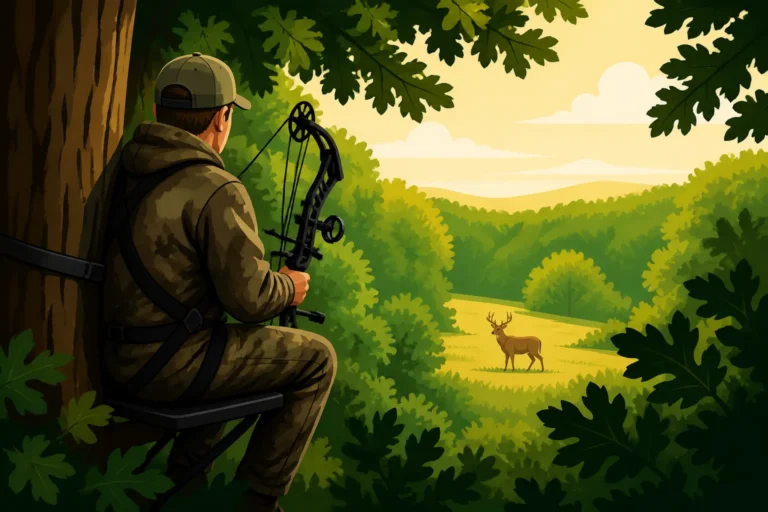
When it comes to stand placement, the edges of the fields are often your best bet. Look for pinch points where natural cover funnels deer into a smaller area. This could be where a treeline juts into a field, a ditch crosses it, or even a narrow strip of standing crops between two harvested sections. Consider the prevailing wind direction and how you'll access your stand without alerting deer. Elevated stands, whether a traditional ladder stand or a climbing stand in a lone tree, offer better visibility over the crops. Ground blinds can also be effective, especially if brushed in meticulously along a natural break in the field.
Still-Hunting and Ambush Strategies
Still-hunting within standing corn can be incredibly challenging due to the noise of dry stalks and limited visibility. It's a tactic best reserved for very windy days, when the rustling stalks help mask your movement, or for tracking a wounded animal. If you attempt it, move slowly, pausing frequently to listen and scan. Wear quiet clothing and consider rubber boots to minimize scent. However, more often than not, still-hunting the edges is a more productive strategy, especially if you can move quietly through an adjacent treeline or ditch.
Ambush strategies focus on intercepting deer as they move between bedding and feeding areas. This means being in your stand well before daylight or staying until dark. During the rut, however, deer movement can be more unpredictable, and cruising bucks might move at any time of day, particularly in the later parts of the season. For insights into those critical times, check out our guide on Hunting the Arkansas Rut by Zone, or specifically for late-season action, our article on Hunting the Delta Rut in January. Sometimes, if you're on a large private tract and have the resources, a small, quiet drive with one or two people pushing through a cornfield towards strategically placed standers can be effective, but this requires careful planning and communication.
Challenges and Considerations When Hunting Ag Fields
Hunting these vast agricultural fields certainly comes with its own set of hurdles. From the sheer scale of the landscape to managing scent and dealing with regulations, there's a lot to keep in mind to ensure a safe and successful hunt.
Navigating Large Tracts and Property Lines
One of the biggest challenges is the immense size of some of these fields. A 100-acre cornfield can feel like a wilderness unto itself. It's easy to get disoriented, and knowing exactly where you are in relation to property lines, especially if you're hunting private land, is critical. Using a GPS device or a robust mapping app like GoHunt on your phone is non-negotiable. Many of these apps offer satellite imagery that updates regularly, allowing you to see current crop conditions and identify potential travel corridors or bedding areas. This is especially useful for understanding your surroundings and respecting boundaries. Our guide on Finding Arkansas Property Lines offers more detailed advice on this crucial aspect.
Hunting private land requires explicit permission from the landowner. Never assume access, even if you see deer on a field. A friendly knock on the door, a polite request, and offering to help with chores can go a long way in securing a spot. If you're lucky enough to gain permission, always communicate your plans, respect their property, and leave it better than you found it.
Scent Control and Recovery
In environments where deer are often in close proximity to human activity (farming), they can become very wary. Scent control becomes even more important. This means taking all the usual precautions: scent-free laundry, storing hunting clothes separately, showering with scent-eliminating soaps, and using sprays. Pay particular attention to your entry and exit routes; minimize walking through areas where deer might cross later, and avoid leaving human scent in bedding areas.
Recovering a deer in a dense standing cornfield can be a monumental task. The visibility is severely limited, and even a well-hit deer can disappear quickly. Always give a deer enough time before tracking, especially if your shot wasn't perfect. Bring a good flashlight, extra batteries, and possibly a buddy or a tracking dog to help. Mark your last point of visual contact and the location of the shot. Having a robust blood trailing kit, including bright flagging tape, is essential. Given Arkansas's often warm hunting season temperatures, especially during the early archery days, quick recovery is paramount to preserving the meat. Our article on Field Dressing in Arkansas Heat has some excellent tips for these situations.
Regulatory Considerations and Safety
Always be aware of the specific hunting regulations for the Arkansas deer zone you're hunting in. The Arkansas Game and Fish Commission (AGFC) sets seasons and bag limits that can vary by zone, so it's vital to know the rules. You can find general information on Arkansas Deer Seasons and Zone Limits and specific details about Arkansas Deer Bag Limits by Zone in our comprehensive guides. Make sure you have the correct licenses and stamps before heading out. All hunters need to understand the nuances of things like The Arkansas Three-Point Rule and how to legally check and tag their harvest, as covered in our guide on Arkansas Deer Checking and Tagging.
Safety in crop fields, especially large ones, also deserves attention. If you're hunting with a rifle, always be aware of your backdrop. The flat terrain of the Delta means a bullet can travel a long way. If you're still-hunting or driving, know where every member of your party is at all times. Wearing hunter orange during modern gun season is not just a regulation; it's a critical safety measure, even if you feel hidden by the crops. Hunting standing crops in the Delta can be incredibly rewarding, but it demands respect for the land, the wildlife, and the safety of everyone involved.
Disclaimer
Always consult the official Arkansas Game and Fish Commission regulations for the most current and accurate hunting laws and season dates before planning any hunt. This guide is for informational purposes only and does not supersede state regulations.