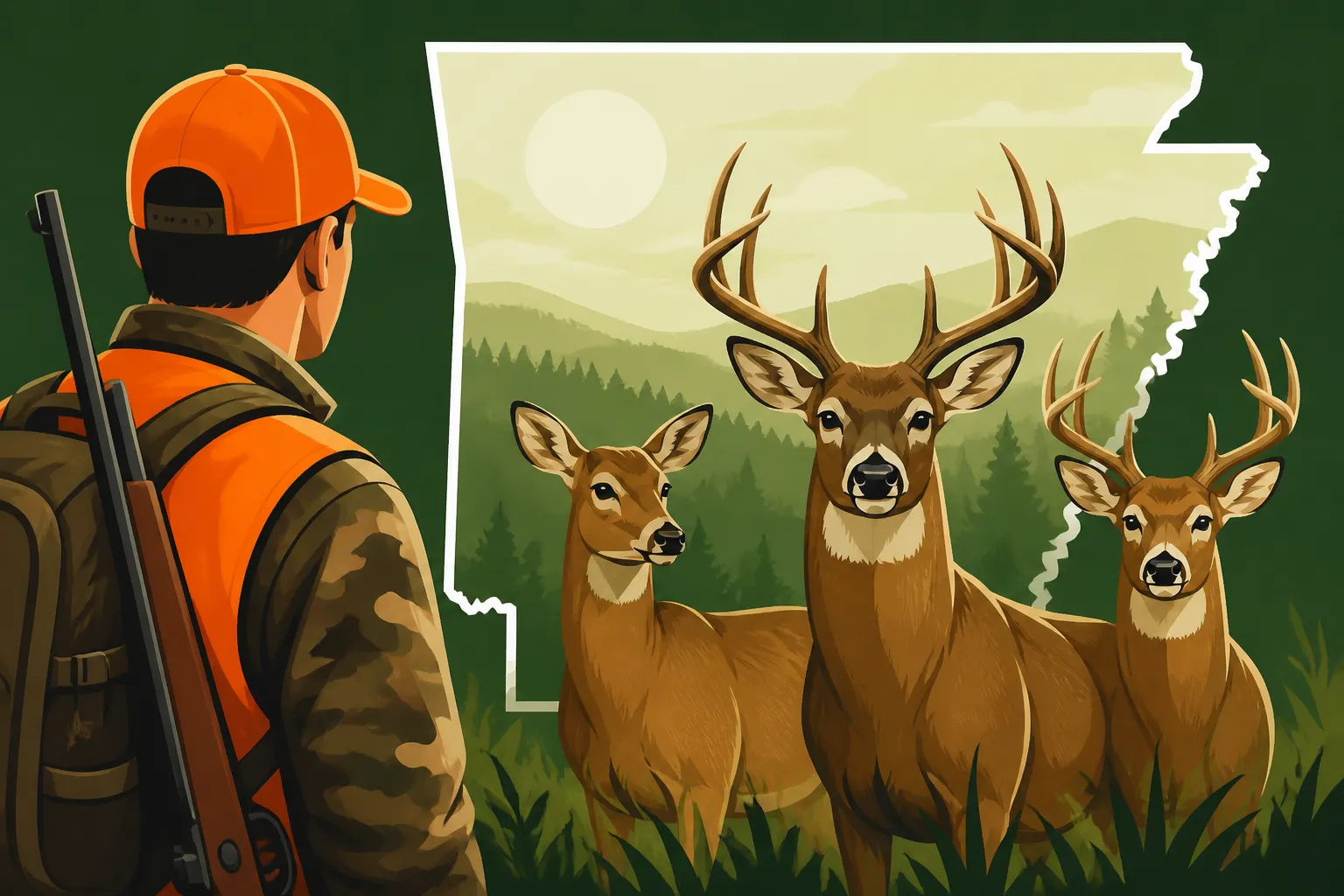
How Many Deer You Can Take in Arkansas
Trying to figure out exactly how many deer you can legally take in Arkansas can feel like trying to solve a puzzle with a constantly shifting rulebook. With different deer zones, varying weapon seasons, and specific antler restrictions, it's easy to get overwhelmed and worried about making a mistake. This comprehensive guide will break down Arkansas's deer bag limits, helping you understand the regulations so you can hunt confidently and within the law.
The Statewide Deer Bag Limit in Arkansas: An Overview
Let's start with the big picture, the statewide deer bag limit, before we dive into the nitty-gritty details that really define your hunting season. Arkansas operates under a system that sets a maximum number of deer you can harvest across the entire state, regardless of which zone you're in or what weapon you're using. For most hunters, this means there's an overarching cap on your total deer harvest for the season, which runs from September into February.
The general statewide bag limit for white-tailed deer in Arkansas is typically six deer. This includes a maximum of two antlered deer and four antlerless deer. Now, before your eyes glaze over, let's be clear: this isn't simply "go kill two bucks and four does anywhere." This total limit is influenced by specific zone regulations, which we'll get into, and it also dictates how your general hunting license tags are used. When you buy your license, you'll often see specific tags included, like a couple for antlered deer and a few for antlerless. These are the tools you use to fill that statewide basket. Understanding this general framework is your first step to navigating the season successfully. It’s critical to always check the current year's Arkansas Game and Fish Commission (AGFC) regulations, as these numbers can shift slightly from season to season based on deer population trends and management goals.
Why Statewide Limits Matter
These statewide limits are more than just arbitrary numbers; they're a cornerstone of sound wildlife management here in Arkansas. The AGFC uses these limits to manage the overall health and population of the deer herd. If the herd is booming in certain areas, they might loosen antlerless limits to reduce population density and prevent habitat degradation or disease spread. Conversely, if specific areas are seeing declines, limits might be tightened.
For us hunters, it means we have a responsibility to know and respect these boundaries. Exceeding the statewide limit, even inadvertently by misunderstanding zone rules, can lead to serious legal repercussions. It’s also about ethical hunting. We want to ensure healthy deer populations for future generations to enjoy, and adhering to these limits is a direct way we contribute to that. Plus, when you hit your statewide buck limit, that's it for antlered deer, even if a monster steps out in a zone with higher antlerless tags remaining. It’s important to keep track of every deer you tag.
How Different License Types Affect Your Tags
Not all hunting licenses are created equal when it comes to the tags they provide. Your specific license type will determine the initial set of tags you receive, which then contribute to your statewide limit. For Arkansas residents, the basic Sportsman's License (which includes a hunting and fishing license) typically comes with a set number of deer tags – often two antlered and four antlerless. There are also specific "Deer Tags" you can purchase separately if you need more antlerless tags in certain zones, or if you hold a different base license.
Non-residents, on the other hand, usually purchase a Non-Resident All Game or a specific Non-Resident Deer license. These come with their own predetermined set of tags, which might differ slightly from resident licenses. For instance, a nonresident might get a specific number of deer tags bundled into their multi-day or annual license. Youth hunters, particularly those participating in special youth deer hunts, often have different tag allowances, usually focused on antlerless deer to encourage participation and manage the herd. It's truly a maze sometimes, which is why before you even step foot in the woods, you need to verify which tags your specific license provides and how they align with the general bag limits. This is where tools like GoHunt can be incredibly useful, allowing you to quickly cross-reference your license type with current regulations for maximum clarity.
Breaking Down Deer Limits by Zone and Weapon Type
This is where the rubber meets the road, and honestly, where most hunters get a little confused. Arkansas isn't a "one-size-fits-all" state when it comes to deer management. It's divided into numerous deer zones, each with its own specific regulations tailored to the local deer population, habitat, and harvest goals. On top of that, the weapon you're using – archery, modern gun, or alternative firearms – can further influence your daily and season limits within those zones.
Deer Zones and Their Specific Bag Limits
Arkansas has an impressive array of deer zones, ranging from Zone 1 in the rugged Ozarks, to the timber and farm fields of the Delta in Zones 9, 10, and 11, down to the pine forests of the Ouachitas and South Arkansas. Each zone has its unique characteristics, and consequently, its own set of rules. For example, some zones might have more restrictive antlered buck limits, often coupled with an antler point restriction (APR), such as the well-known The Arkansas Three-Point Rule, which means a buck must have at least three points on one side of its antlers to be legal. Other zones, especially those with high deer densities or in Chronic Wasting Disease (CWD) management areas, might have very liberal antlerless limits to help control the population.
Here's a general idea of how varied these limits can be, but remember, always confirm with the current AGFC regulations for the specific zone you plan to hunt.
| Deer Zone Type (Example) | Antlered Deer Limit | Antlerless Deer Limit | Special Notes |
|---|---|---|---|
| Zone 1 (Ozarks) | 1 | 1-2 | Often 3-point rule, shorter gun seasons |
| Zone 2 (Ouachitas) | 1-2 | 1-3 | Some zones may have longer alternative firearm seasons |
| Zone 5 (Central) | 2 | 2-4 | Balances urban fringe and rural areas |
| Zone 9 (Delta) | 2 | 4+ (may be unlimited in parts) | Typically higher limits, longer seasons |
| CWD Management Zones | 1-2 | High (often unlimited) | Mandatory CWD testing, carcass restrictions |
Note: This table provides typical examples. Exact numbers vary annually; always consult official AGFC regulations.
You can find detailed information on Arkansas Deer Zones Explained through the AGFC website or their official app. These zone-specific limits are the main source of potential confusion, as they determine how many of your statewide tags you can actually fill in a particular area during a particular season. It's crucial to know exactly which zone you're hunting in before you ever head afield. Mapping apps or dedicated hunting apps are invaluable here for Scouting Arkansas Public Land Before Season and understanding boundaries.
How Archery, Modern Gun, and Alternative Firearms Influence Harvest
The type of weapon you choose to hunt with plays a significant role in when and how many deer you can harvest. Each weapon type has its own distinct season length and, sometimes, specific restrictions.
Archery Season Limits
Arkansas boasts one of the longest archery seasons in the country, typically running for five months, from late September through February. This extensive season often provides the most opportunities for deer harvest, especially for antlerless deer. During Arkansas Archery Deer Season Structure, many zones will allow for the harvest of multiple antlerless deer throughout the season, limited only by your statewide tag allowance. Some zones might also have specific early buck-only archery days before the general antlerless season opens. For example, a hunter might be able to take up to two antlered deer and four antlerless deer via archery within their statewide limit, provided the zone rules allow. The beauty of archery is the sheer length of the season, allowing patient hunters to capitalize on changing deer patterns, from early season feeding to Hunting the Arkansas Rut by Zone and even late-season cold fronts.
Modern Gun Season Limits
Modern gun season is often the most anticipated and can be the most restrictive due to the efficiency of firearms. Arkansas Modern Gun Season Structure is typically much shorter than archery season, often lasting only a couple of weeks total, sometimes split into multiple segments (e.g., an early season and a Christmas season). During these shorter windows, bag limits for antlered deer are often capped at one per hunter, and antlerless opportunities can vary widely by zone. In high-density zones, you might still get several antlerless tags, while in lower-density zones, antlerless harvest might be very limited or only allowed on specific days. The intensity of modern gun hunting means tighter controls are usually in place to manage quick, concentrated harvests.
Alternative Firearms Season Limits
Wedged between archery and modern gun seasons, or sometimes running concurrently in specific zones, are the alternative firearms seasons. These primarily include muzzleloaders and sometimes other unique firearms like air guns or even certain pistols. Arkansas Muzzleloader and Alternative Firearms Tactics seasons are generally longer than modern gun seasons but shorter than archery, offering a middle ground for hunters. Limits during these seasons often mirror modern gun limits, with typically one antlered deer allowed, and antlerless harvest dependent on zone-specific needs. What counts as an alternative firearm is very specific, so make sure your chosen weapon falls within the legal definitions outlined by the AGFC. These seasons provide an excellent opportunity for hunters who want to use a firearm but prefer a less pressured hunting experience than the peak modern gun rush.
Antlered Versus Antlerless Deer: What Counts?
This distinction is absolutely critical to understanding your deer bag limit and avoiding violations. Misidentifying a deer in the field can turn a successful hunt into a costly mistake. Arkansas regulations are very clear about what constitutes an antlered or antlerless deer, and these definitions directly impact which tags you use and how many deer you can legally harvest.
Defining an Antlered Deer
In Arkansas, an "antlered deer" is generally defined as any deer with an antler at least three inches long. This might seem straightforward, but it has important nuances, especially when combined with antler point restrictions (APRs). For instance, if you're in a zone with a The Arkansas Three-Point Rule, an antlered deer isn't just one with a three-inch antler; it must have at least three points, one inch or longer, on one main beam. If a buck only has two points on each side, even if those points are 10 inches long, it would not be a legal buck in a three-point rule zone.
This means you can't just quickly glance; you need to properly identify and count points before pulling the trigger. The intent of these rules is often to allow younger bucks more time to mature, thereby improving the overall age structure and quality of the deer herd. So, while your license might say you can take two antlered deer statewide, the specific zone you're in, and the specific rules of that zone, will determine if the buck you're looking at is a legal antlered deer for that particular hunt. Always be certain before you shoot.
Defining an Antlerless Deer
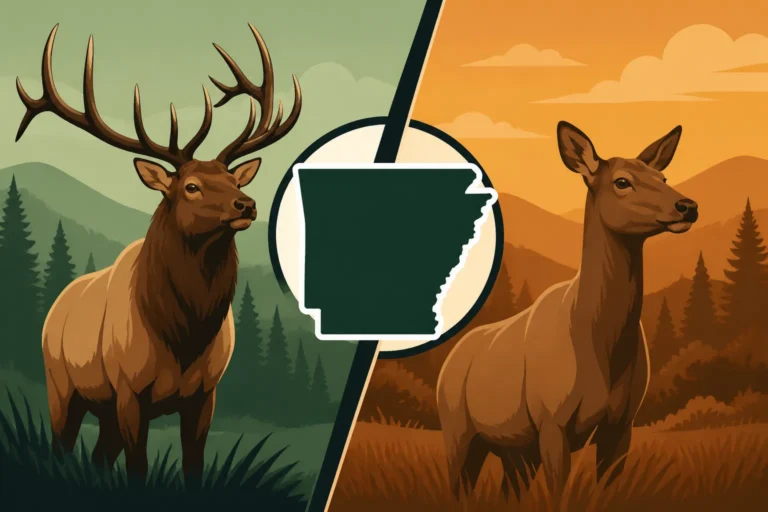
An "antlerless deer" in Arkansas is generally defined as any deer, regardless of age, with no visible antlers or with antlers less than three inches in length. This is where "button bucks" often cause confusion. A button buck is a male fawn or yearling deer that has pedicles (the bases from which antlers grow) with antler buttons or small velvet-covered nubs, but no discernible antlers exceeding the three-inch threshold. Biologically, they are males, but for harvest purposes under AGFC regulations, they are typically considered antlerless.
This is a really important distinction because mistakenly tagging a button buck with an antlered tag when you had an antlerless tag available can eat up a valuable antlered tag that you might need for a mature buck later in the season. Conversely, if you shoot a button buck and tag it as antlerless, and it turns out to have had a 3+ inch antler that you just couldn't see, you've made an illegal harvest. Always aim for positive identification. When in doubt, let it walk, especially if you're close to your antlered limit or if visibility isn't perfect.
Special Considerations and Common Pitfalls
Navigating Arkansas's deer regulations goes beyond just understanding the numbers; it involves being aware of special conditions, specific hunt types, and common mistakes that hunters often make. The AGFC works hard to make these rules accessible, but the onus is ultimately on each hunter to be informed.
Youth Hunts and Special Seasons
Arkansas is dedicated to fostering the next generation of hunters, and as such, offers special youth deer hunts. These hunts typically precede the general modern gun season and are often open for both antlered and antlerless deer, sometimes with more liberal bag limits for antlerless deer to encourage participation and success. For example, youth hunters might be able to take two deer, one antlered and one antlerless, during a dedicated youth hunt weekend, often using their existing youth tags.
These hunts are invaluable for introducing young people to the outdoors, and the rules are generally designed to be more flexible, but they are still subject to zone restrictions. Parents or guardians accompanying youth hunters must be properly licensed but are typically not allowed to hunt themselves during these specific youth seasons. Always check the dates for Youth Deer Hunt Dates and Rules in your desired zone, as well as specific tag requirements.
Chronic Wasting Disease CWD Management Zones
Chronic Wasting Disease (CWD) is a serious concern in Arkansas, and its presence has led to specific regulations in designated CWD Management Zones. These zones are usually located in the areas where CWD has been detected, primarily in portions of the Ozark region. Within these zones, deer bag limits are often adjusted to encourage a higher harvest of antlerless deer. This management strategy aims to reduce deer density, which can help slow the spread of the disease.
For hunters within a CWD Management Zone, you might find antlerless deer limits are significantly increased, sometimes even unlimited, in an effort to manage the population. However, these zones also come with stringent rules regarding Arkansas CWD Rules and Carcass Transport. For instance, you generally cannot transport whole carcasses or certain parts (like brains or spinal cord) out of a CWD Management Zone. This requires hunters to process their deer within the zone or leave certain parts behind. There are also specific rules about Carcass Transport Rules Out of Arkansas if you're a nonresident. Before hunting in any area that might be a CWD zone, it is absolutely vital to review the latest AGFC regulations and map out how you'll handle your harvest if successful. Mandatory CWD testing stations might also be available or required in some areas.
Public Land Versus Private Land
While the overarching state and zone bag limits remain the same whether you're hunting on public or private land, access and the interpretation of rules can feel different. On public lands, such as Wildlife Management Areas (WMAs) or National Forests, the AGFC's regulations are strictly enforced, and you might encounter additional WMA-specific rules that affect your hunting strategy. For example, some WMAs might have special draw hunts with their own unique bag limits, or certain areas might be closed on specific days.
On private land, the property owner dictates access, but they cannot override state or zone bag limits. They can, however, implement their own more restrictive rules, such as "no antlerless harvest" or "only bucks with a 15-inch spread." If you have permission to hunt private land, always clarify any landowner-specific rules in addition to understanding the AGFC regulations. While private land hunting often provides more consistent access and potentially less pressure, the statewide and zone bag limits remain the ultimate legal ceiling for your harvest. It's important for all hunters to accurately report their harvests through the AGFC's Arkansas Deer Checking and Tagging system, regardless of where the deer was taken.
Table of Key Deer Limit Takeaways
To help distill all this information, here's a quick summary of the main points to remember about deer limits in Arkansas:
| Aspect | Key Takeaway | Important Note |
|---|---|---|
| Statewide Limit | Typically 6 deer total, with a maximum of 2 antlered and 4 antlerless. | This is your absolute ceiling for the entire season. |
| Zone-Specific Limits | Vary widely based on location (Ozarks, Delta, etc.) and deer population. | Can be more restrictive than statewide, especially for antlered deer. |
| Weapon Type | Archery generally offers the most opportunity; Modern Gun and Alternative Firearms have shorter, stricter seasons. | Always check season dates and specific limits for your chosen weapon. |
| Antlered Deer | Any deer with an antler 3+ inches long. | Watch for Antler Point Restrictions (APRs), like the 3-point rule, which refine legality. |
| Antlerless Deer | Any deer with antlers less than 3 inches, includes button bucks. | Do not mistake small-antlered bucks for antlerless. When in doubt, let it walk. |
| Youth Hunts | Special early seasons with dedicated limits, often more liberal for antlerless deer. | Adult supervisors must be licensed but cannot hunt. |
| CWD Zones | Increased antlerless limits; strict rules for carcass transport and processing. | Always consult AGFC for current CWD zone boundaries and regulations. |
| Reporting Harvest | Mandatory for every deer harvested. Use the AGFC app or website. | Failure to report is a violation. |
Remember, keeping a detailed eye on the current AGFC regulations is your best defense against confusion. The deer population is a precious resource, and by understanding and respecting these limits, we all contribute to a thriving hunting future in Arkansas.
Disclaimer
Please be aware that hunting regulations, including bag limits, season dates, and zone boundaries, can change annually. The information provided in this guide is intended for general informational purposes and is based on typical Arkansas hunting regulations. It is the individual hunter's responsibility to consult the most current official Arkansas Game and Fish Commission (AGFC) regulations and proclamations before engaging in any hunting activity. Failure to do so could result in fines or penalties.