Arkansas CWD Counties List
The emergence of Chronic Wasting Disease (CWD) in Arkansas has unfortunately added a layer of complexity and concern for many hunters, transforming what used to be straightforward trips into situations requiring extra vigilance and adherence to new regulations. It's a tough pill to swallow, knowing that a disease could impact the health of our deer and elk populations and change how we interact with the land and the game we pursue. This guide aims to clear up some of that confusion by detailing the current list of CWD-affected counties, explaining the management zones, and outlining the crucial regulations every hunter needs to know to stay compliant and help protect our state's wildlife.
Understanding Chronic Wasting Disease in Arkansas
CWD is a progressive, fatal neurological disease that affects cervids, which include deer, elk, moose, and caribou. It's caused by abnormal proteins called prions, which can accumulate in the brain and other tissues, leading to symptoms like emaciation, abnormal behavior, and ultimately death. What makes CWD particularly concerning is its persistence in the environment and the fact that it can take a long time for an infected animal to show symptoms, making early detection and containment incredibly challenging. For a deeper dive into the disease itself, you might find more information in our comprehensive article on Chronic Wasting Disease in Arkansas.
When CWD was first detected in Arkansas in 2016, it was a significant blow to the state's wildlife management and hunting community. The initial discovery in north-central Arkansas, particularly around the Ozark Mountains, immediately prompted the Arkansas Game and Fish Commission (AGFC) to implement a robust response plan. This plan focused on surveillance, testing, and establishing CWD Management Zones to contain the spread and minimize its impact on our cherished herds. It's a situation that truly illustrates the interconnectedness of wildlife health and our hunting traditions. If you're curious about the history, our piece on How CWD Reached the Arkansas Ozarks offers some valuable context.
The AGFC's response has been dynamic, evolving as more data becomes available and as the disease's presence is confirmed in new areas. This means that the list of affected counties and the associated regulations are not static; they can and do change. This constant evolution is precisely why staying informed is paramount for every hunter in the state. We're all in this together, and our collective efforts play a massive role in mitigating the long-term effects of this challenging disease.
The Official List of Arkansas CWD Counties
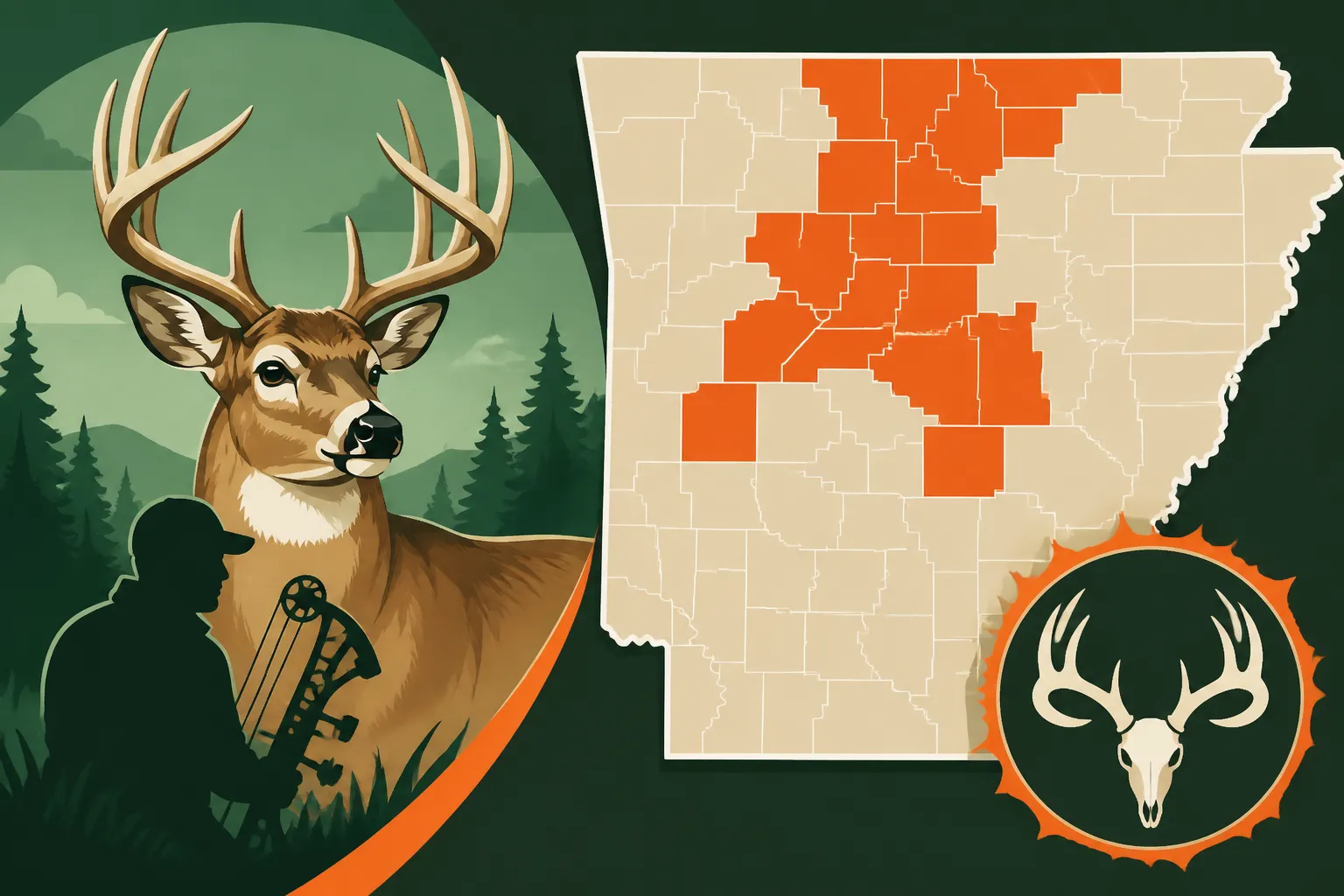
The Arkansas Game and Fish Commission designates certain areas as CWD Management Zones, which are the counties where CWD has been detected or are considered high-risk due to proximity to confirmed cases. These zones are where special regulations regarding carcass movement, baiting, and feeding are strictly enforced. It's not just about where CWD has been found, but also about creating buffer zones to prevent further spread.
As of the latest updates from the AGFC, the CWD Management Zone encompasses a significant portion of the state. It's absolutely critical for hunters to know if the county they plan to hunt in falls within this zone, as it will directly impact their hunting practices. This isn't a situation where "ignorance is bliss"; rather, it's where being well-informed protects both you and the deer herd.
To provide clarity, here is a list of counties currently designated within the Arkansas CWD Management Zone. Please remember that this information is subject to change, and hunters should always verify the latest regulations directly on the AGFC website or through their official app before heading out.
| County (Alphabetic Order) | CWD Management Zone Status | Primary Region Affected | Specific Regulations Apply |
|---|---|---|---|
| Baxter | Yes | North Central Ozarks | Yes |
| Boone | Yes | North Central Ozarks | Yes |
| Carroll | Yes | North Central Ozarks | Yes |
| Clay | Yes | Northeast Delta | Yes |
| Cleburne | Yes | North Central Ozarks | Yes |
| Conway | Yes | Arkansas River Valley | Yes |
| Craighead | Yes | Northeast Delta | Yes |
| Crawford | Yes | Northwest Arkansas | Yes |
| Cross | Yes | Eastern Delta | Yes |
| Faulkner | Yes | Central Arkansas | Yes |
| Franklin | Yes | Arkansas River Valley | Yes |
| Fulton | Yes | North Central Ozarks | Yes |
| Garland | Yes | Central Ouachitas | Yes |
| Greene | Yes | Northeast Delta | Yes |
| Hot Spring | Yes | South Central Arkansas | Yes |
| Independence | Yes | North Central Arkansas | Yes |
| Izard | Yes | North Central Ozarks | Yes |
| Jackson | Yes | Northeast Delta | Yes |
| Johnson | Yes | Arkansas River Valley | Yes |
| Lawrence | Yes | Northeast Arkansas | Yes |
| Logan | Yes | Arkansas River Valley | Yes |
| Madison | Yes | Northwest Arkansas | Yes |
| Marion | Yes | North Central Ozarks | Yes |
| Newton | Yes | North Central Ozarks | Yes |
| Perry | Yes | Central Arkansas | Yes |
| Poinsett | Yes | Northeast Delta | Yes |
| Pope | Yes | Arkansas River Valley | Yes |
| Randolph | Yes | Northeast Arkansas | Yes |
| Saline | Yes | Central Arkansas | Yes |
| Searcy | Yes | North Central Ozarks | Yes |
| Sebastian | Yes | Western Arkansas | Yes |
| Sharp | Yes | North Central Arkansas | Yes |
| Stone | Yes | North Central Ozarks | Yes |
| Van Buren | Yes | North Central Arkansas | Yes |
| Washington | Yes | Northwest Arkansas | Yes |
| White | Yes | Central Arkansas | Yes |
| Woodruff | Yes | Eastern Delta | Yes |
| Yell | Yes | Arkansas River Valley | Yes |
This extensive list underscores the widespread nature of the CWD Management Zone, affecting regions from the Ozarks to the Delta and parts of central and western Arkansas. Knowing if your hunting grounds are within these boundaries is the first step to ensuring you're following all necessary guidelines. For more detailed data on the disease's presence, you can look into articles such as Arkansas CWD Prevalence Rates.
Hunting Regulations and Restrictions in CWD Zones
Hunting within a CWD Management Zone comes with specific regulations designed to slow the spread of the disease. These rules are non-negotiable, and understanding them is crucial for every ethical hunter. The primary areas of regulation focus on carcass transport, baiting and feeding, and CWD testing.
Carcass and Privately Processed Meat Transport
One of the most impactful rules for hunters is how you can transport deer and elk carcasses out of a CWD Management Zone. The goal here is to prevent the movement of potentially infected tissues, especially nervous system tissue where prions concentrate. This means you cannot simply load up a whole deer and drive it across county lines if you're leaving a CWD zone.
Specifically, only certain parts of a harvested deer or elk are allowed to be transported out of a CWD Management Zone. These include deboned meat, antlers (attached to a clean skull plate with no brain tissue or velvet removed), hides, and clean skulls or skull plates (free of all meat and tissue). Essentially, anything that could harbor CWD prions, like brain or spinal cord material, must remain within the C zone or be properly processed there. This can be a real logistical challenge, especially for hunters traveling long distances or those who prefer to process their own game at home. It's why many hunters are looking for local processing options within the CWD zones or learning how to debone a deer in the field to comply. For more specific guidance, our article on Carcass Transport Rules Out of Arkansas might be helpful, even if you're staying within state lines but crossing CWD zone boundaries. Furthermore, any deer transport within the state is covered by general rules, so understanding Arkansas Deer Transport Rules is also vital.
Baiting and Feeding Prohibitions
Another significant restriction in CWD Management Zones is the ban on baiting and feeding deer. This rule is in place because concentrating deer at a single location, such as a feeder or a bait pile, significantly increases direct deer-to-deer contact, which is believed to be a primary mode of CWD transmission. When deer feed from the same spot, they can exchange saliva, potentially spreading prions.
This prohibition means you cannot use corn, protein pellets, salt licks, mineral blocks, or any other food attractant to draw deer in for hunting purposes or general observation. This changes traditional hunting tactics for many, especially those accustomed to hunting over feeders. It forces a return to scouting natural food sources and understanding deer movement patterns based on browse and cover, which, while challenging, can also lead to a more rewarding hunt. It's a tough adjustment, but it's a necessary step to minimize disease transmission risks. For a deeper dive into this specific rule, check out our piece on Baiting Rules in Arkansas CWD Zones.
CWD Testing Requirements and Recommendations
While mandatory CWD testing is not always required statewide, there are specific areas within the CWD Management Zone where surveillance testing is mandatory during certain periods. Hunters harvesting deer in these designated areas or during specific hunt dates must submit a sample for CWD testing. Even outside of mandatory areas, the AGFC strongly encourages voluntary testing of all harvested deer and elk within the CWD Management Zone.
Submitting a sample for testing is usually straightforward, often involving dropping off a deer head at a designated CWD sampling station or having a trained AGFC professional collect the sample. The results typically take a few weeks, and while waiting, hunters are usually allowed to consume the meat. However, if a deer tests positive, the AGFC will contact the hunter with further instructions, which usually include proper disposal of the carcass and a strong recommendation against consuming the meat. This system helps the AGFC monitor the disease's spread and prevalence. Knowing your options for Arkansas CWD Testing for Hunters is essential for compliance and peace of mind.
Protecting the Herd and Your Hunt
Navigating CWD regulations can feel overwhelming, but every hunter has a vital role to play in protecting Arkansas's deer and elk populations. Adhering to these rules isn't just about avoiding a citation; it's about being a responsible conservationist and helping to preserve our hunting heritage for future generations.
Best Practices for Hunters
Beyond the mandatory regulations, there are several best practices you can adopt to further mitigate the spread of CWD and ensure the health of our herds:
- Report Sick Animals: If you observe any deer or elk exhibiting symptoms consistent with CWD (emaciation, drooling, neurological issues, unusual behavior), do not harvest the animal. Instead, immediately report your observations to the AGFC. Our article on Reporting a Sick Animal in Arkansas provides details on how to do this effectively. The quicker a potentially infected animal can be investigated, the better.
- Minimize Carcass Waste: If you process your deer in the field, leave as much of the inedible carcass (spinal column, head, etc.) at the kill site as legally allowed within the CWD zone. This keeps potentially infected material localized.
- Clean Your Equipment: Thoroughly clean all hunting equipment, including knives, saws, and processing tools, after each use. While CWD prions are notoriously resilient, minimizing potential cross-contamination is always a good idea.
- Stay Informed: Regulations can change rapidly. Make it a habit to check the AGFC website for the latest CWD updates before every hunting season and even before individual hunts. Utilize mapping applications like GoHunt, which often integrate WMA boundaries and can sometimes show specific regulations tied to areas, though always cross-reference with official AGFC sources. GoHunt can be an excellent resource for pinpointing your location relative to these critical zones.
The Future of CWD in Arkansas
The fight against CWD is a long-term commitment. The AGFC, along with other state agencies and research institutions, continues to monitor the disease, conduct research, and adapt management strategies. This includes ongoing Arkansas Wildlife Disease Monitoring programs to track prevalence and distribution. The goal is not necessarily eradication, which is largely considered impossible given the nature of prions and the disease's environmental persistence, but rather containment and management to keep prevalence rates low and minimize impacts on herd health and hunter opportunity.
For hunters, this means adapting to a new normal. It means being patient with evolving regulations, participating in testing efforts, and understanding that our individual actions contribute to the collective health of the wildlife we cherish. While the challenges CWD presents are significant, through informed and responsible hunting practices, we can all play a part in safeguarding Arkansas's natural resources. Using tools like GoHunt to stay on top of boundaries and rules can significantly streamline this process, allowing you to focus more on the hunt itself and less on administrative worries.
Ultimately, CWD is a serious concern, but it doesn't mean the end of hunting in Arkansas. It means we have to be smarter, more diligent, and more engaged than ever before. Let's work together to ensure that Arkansas remains a premier destination for hunting, even in the face of such formidable challenges.
Disclaimer
The information provided in this guide is for general informational purposes only and is subject to change. Hunting regulations, including those related to Chronic Wasting Disease (CWD), are set by the Arkansas Game and Fish Commission (AGFC) and can be updated without prior notice. Hunters are responsible for consulting the most current official AGFC regulations, publications, and maps before participating in any hunting activity. Failure to comply with AGFC regulations can result in fines and penalties.