Mallards in the Arkansas Delta
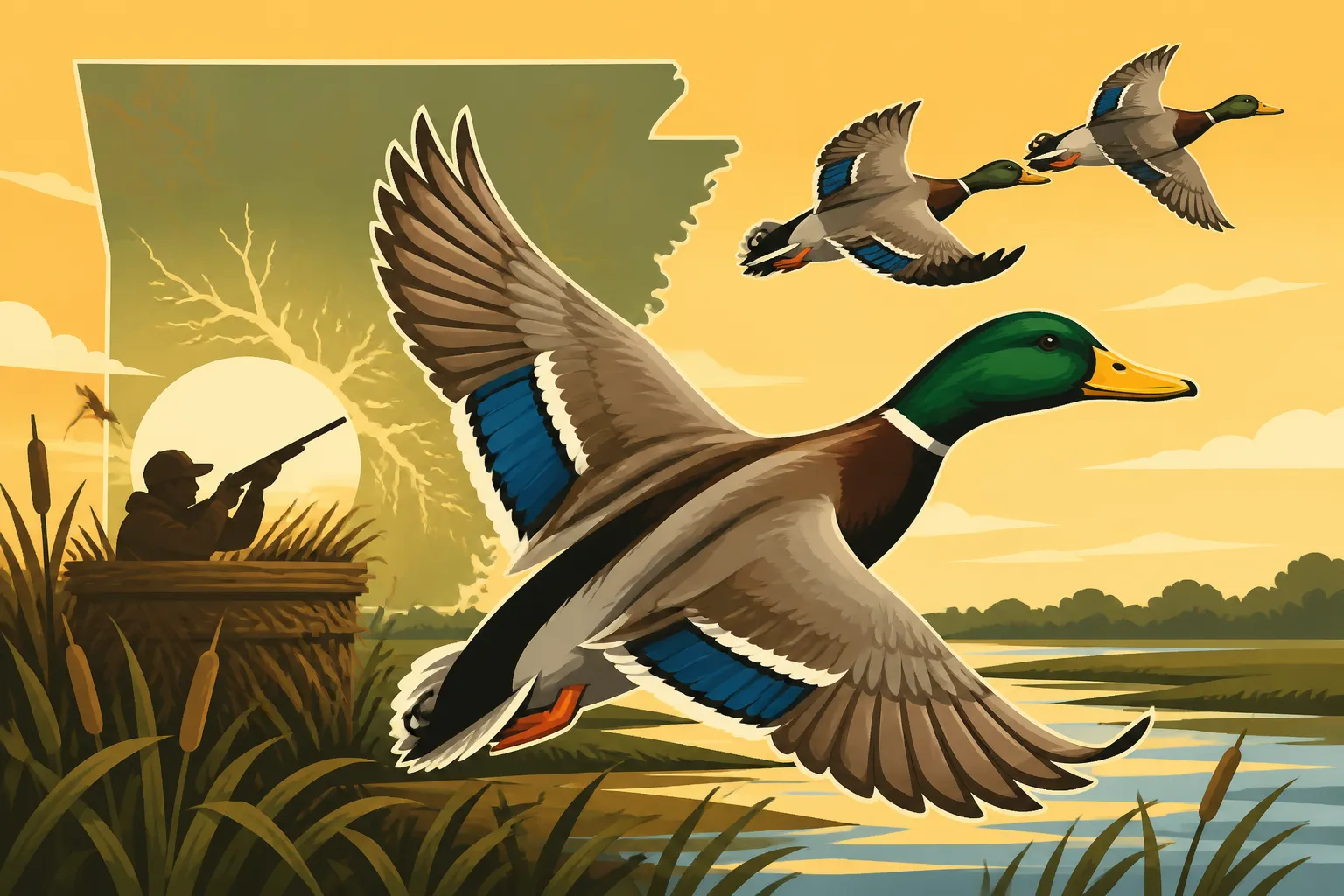
Ah, the Arkansas Delta and its legendary mallards. For so many of us, the very thought conjures images of flooded green timber and the whistling wings of incoming ducks. But let's be real, turning those dreams into reality out in the field can be incredibly frustrating, especially when the weather isn't cooperating or the birds seem to vanish overnight. This guide is here to walk you through the nuances of hunting mallards in Arkansas's Delta, offering insights into why they come here, how they behave, and how you can adapt your tactics to find success, even on the toughest days.
The Allure of Arkansas Mallards and Why They Come Here
There’s a reason Arkansas is synonymous with duck hunting, and mallards are the undisputed kings of our winter skies. Hunters from all corners of the country flock here, drawn by the sheer numbers and the intoxicating experience of a big greenhead cupping its wings over decoys. But what exactly makes the Arkansas Delta such an irresistible magnet for these magnificent birds? It’s not just one thing; it's a perfect storm of geography, habitat, and tradition that has cemented our state's reputation as a duck hunting mecca.
The Delta's Irresistible Habitat: Flooded Timber and Fields
The heart of the Delta's appeal lies in its unique and abundant wetland habitats. Picture this: vast expanses of low-lying land, crisscrossed by rivers and bayous, and historically prone to flooding. This natural landscape has been further shaped by agriculture, creating an unparalleled buffet for migrating waterfowl. The two titans of Arkansas duck habitat are, without a doubt, the flooded green timber and the expansive agricultural fields.
Flooded green timber, particularly bottomland hardwoods dominated by oaks, is what many hunters dream of when they think of Arkansas mallards. These majestic trees, standing in a foot or two of water, provide crucial cover, shelter, and a feast of acorns that are a primary energy source for ducks. The quiet, almost reverent atmosphere of a flooded timber hole, punctuated by the splash of a landing duck or the soft chuckle of a caller, is an experience unlike any other. You can learn more about Hunting Arkansas Flooded Green Timber to truly appreciate this unique environment.
Beyond the timber, the agricultural fields—especially those planted in rice, corn, and soybeans—offer an equally vital food source. After harvest, many of these fields are purposefully flooded, creating shallow water feeding grounds that ducks absolutely devour. These flooded fields are often easier for birds to access, providing open areas for landing and escape. This combination of rich, high-energy food sources is simply unmatched along the flyway, making the Delta a prime wintering ground. The sheer volume of readily available sustenance is what keeps mallards here once they arrive.
The Mississippi Flyway Funnel
Arkansas sits squarely within the Mississippi Flyway, one of North America's four major migratory bird routes. Think of it as a superhighway for ducks, stretching from the Canadian prairies all the way down to the Gulf Coast. As colder weather pushes south from the northern breeding grounds, mallards begin their epic journey, following ancient routes that lead them straight to the hospitable climes and abundant food of the Delta.
The geography of the Mississippi River basin acts like a natural funnel, channeling millions of ducks, including the vast majority of the continent's mallards, right over Arkansas. Our location means we're often the first major warm-weather stop with reliable food and water for many of these birds. The cumulative effect of millions of ducks pushing south, combined with the ideal conditions found here, leads to incredible concentrations of birds. Understanding Duck Migration Timing Into Arkansas is crucial for anticipating when these large pushes of birds will arrive and how long they might stay. It's a grand spectacle that plays out every year, fueled by instinct and the promise of survival in our bountiful wetlands.
Understanding Mallard Behavior in the Delta
Hunting mallards isn't just about finding water and throwing out decoys; it's about understanding their habits, their needs, and how they react to their environment and, frankly, to us. Mallards are smart birds, and their behavior shifts constantly based on food availability, weather, and hunting pressure. Cracking their code is the real secret to consistent success in the Delta.
Feeding Patterns: Acorns, Grain, and More
Mallards are opportunistic omnivores, but in the Arkansas Delta, their diet primarily revolves around two critical components: acorns and waste grain. In flooded timber, acorns are a powerhouse food source, packed with fat and carbohydrates, essential for ducks needing to maintain energy reserves during the cold winter months. Different oak species drop their acorns at different times, and smart hunters learn to identify these patterns. A good stand of pin oaks or Nuttall oaks loaded with acorns under a few inches of water can be a magnetic draw for ducks.
When timber isn't flooded or acorns are scarce, mallards quickly shift their focus to flooded agricultural fields. Rice, corn, and soybean stubble, especially fields that hold standing water, become their next major pantry. They’ll dabble in the shallow water, sifting through the mud for fallen grains. This shift in diet can drastically alter their daily flight patterns and preferred resting areas. Knowing if the ducks are "working the beans" or "hitting the timber" is vital intel for any hunter. The importance of understanding these food sources cannot be overstated; it's the primary driver of where Why Mallards Winter in Arkansas.
Roosting Habits and Daily Movements
Mallards, like most waterfowl, have distinct daily routines. They typically feed in the mornings and evenings, often flying long distances between their roosting areas and their preferred feeding grounds. Roosting sites are generally larger, safer bodies of water where they can rest undisturbed, often large reservoirs, flooded timber breaks, or vast, shallow sheet water in secluded areas. These areas offer security from predators and an opportunity to conserve energy.
From these roosts, they’ll launch their morning flights to feeding areas. As the day progresses, especially after a morning feed, they'll seek out loafing areas—places where they can rest, preen, and digest in relative safety. These might be secluded ponds, small pockets of timber, or even undisturbed corners of larger flooded fields. Understanding these daily movements, where they roost, where they feed, and where they loaf, is paramount. If you can intercept them between these points, or ambush them in their preferred feeding spots, your chances of success skyrocket. The wind direction and strength often dictate their flight paths and approach to feeding zones, so always factor that into your planning.
Adapting to Pressure and Weather
Mallards are incredibly adaptable, and few things influence their behavior more than hunting pressure and weather changes. Early in the season, when pressure is low, birds can be more forgiving, flying lower and more readily responding to calls and decoys. However, as the season progresses and more hunters descend upon the Delta, mallards quickly become "educated." They fly higher, flare at the slightest sign of danger, and become much warier of conventional spreads and calling.
Drastic weather shifts also play a huge role. A strong cold front bringing high winds and plummeting temperatures can trigger massive migrations, bringing in fresh birds, as discussed in Duck Migration Timing Into Arkansas. Conversely, mild, bluebird days can make ducks lethargic and less inclined to fly, making hunting incredibly tough. Heavy rains might flood new areas, dispersing birds, while a dry spell can concentrate them in the remaining water. A good hunter constantly watches the forecast and adapts their strategy, perhaps moving to more secluded spots on high-pressure days, or hunting later in the morning on calm, warm days when birds might feed later. Being flexible and observant is key to staying ahead of these shifts.
Key Habitats for Mallards in the Arkansas Delta
The Arkansas Delta is a patchwork of diverse habitats, each offering unique challenges and opportunities for mallard hunters. While the overarching goal is always to find where the ducks want to be, understanding the specific characteristics of these environments is essential for effective scouting and executing a successful hunt.
Flooded Green Timber: The Classic Arkansas Experience
When someone talks about "duck hunting in Arkansas," images of flooded green timber immediately spring to mind. This iconic habitat, characterized by mature bottomland hardwood trees standing in a foot or two of water, is the quintessential Arkansas mallard experience. These areas are typically dominated by various oak species, cypress, and tupelo, providing an incredible canopy and a rich source of acorns.
Hunting flooded timber offers a unique challenge and reward. The dense tree cover limits visibility, requiring ducks to commit to a landing hole, often at close range. The sound of calling echoes differently in the timber, and the visual cues for ducks are distinct from open fields. Hunters often wade into these areas, setting up against trees or in small portable blinds, waiting for ducks to filter through the canopy. The challenge lies in finding the specific "hole" the ducks are using, often identified by fresh droppings, disturbed water, or the absence of floating leaves where ducks have been feeding. Access can also be a hurdle, often requiring boats or a willingness to wade through thick underbrush. Success in these environments often boils down to patience, stealth, and a deep understanding of Green Timber Duck Hunting in Arkansas.
Flooded Agricultural Fields: Rice, Corn, and Beans
While green timber might be the traditional postcard image, flooded agricultural fields, particularly those dedicated to rice, corn, and soybeans, are equally critical for wintering mallards in the Delta. These fields, often intentionally flooded after harvest, provide immense quantities of high-energy waste grain that ducks absolutely gorge on. The vast, open nature of these fields makes them highly visible to flying ducks, and they can support huge numbers of birds.
Hunting flooded fields typically involves static blinds, often brushed-in pit blinds or layout blinds, strategically placed along levees or in the middle of the fields. Decoy spreads are often much larger than in timber, mimicking a huge feeding flock, and calling can be more aggressive to draw birds from a distance. The challenge here is the lack of natural cover and the need for meticulous concealment. Ducks approaching from afar have ample time to scrutinize the spread. Wind plays a critical role in how ducks approach a field, dictating where you should set up and how you should orient your decoys. Many hunters find great success with Hunting Rice Fields and Levees tactics, adapting their setups to the specific crop and water conditions.
Reservoirs, Rivers, and Oxbows
Beyond the celebrated timber and fields, the Arkansas Delta also features numerous reservoirs, major rivers like the White and Arkansas, and countless oxbow lakes. These larger bodies of water, while perhaps less iconic for mallards, still play a significant role, especially during periods of high hunting pressure or unusual weather. They often serve as crucial refuge areas where ducks can escape pressure, rest, and find undisturbed water.
While mallards typically prefer shallower feeding grounds, they will utilize these larger water bodies for roosting and loafing. On exceptionally tough days, or when smaller wetlands are frozen or dry, these larger areas can become temporary feeding grounds as well, especially along their shallower edges or in areas with submerged vegetation. Hunting these areas might involve boat blinds, large spreads of decoys, and a focus on pass shooting or intercepting birds as they move to and from smaller feeding grounds. Hunters often overlook these spots, but they can be surprisingly productive, particularly when scouting reveals undisturbed concentrations of birds. Many hunters find these areas valuable for Hunting Arkansas Reservoir Ducks, especially when conditions push birds off traditional spots.
Scouting and Interpreting Mallard Sign
The difference between a hit-or-miss duck hunt and a consistently successful one often comes down to meticulous scouting. You can have the best calls, the fanciest gun, and a perfect spread, but if you're not where the ducks want to be, it's all for naught. Scouting for mallards in the Arkansas Delta is a year-round commitment for some, and a dedicated pre-hunt ritual for all serious waterfowlers. It's about reading the landscape, understanding the water, and utilizing every tool at your disposal to find those greenheads.
Reading the Water and the Woods
Scouting isn't just about driving around and looking for ducks; it's about interpreting subtle clues left behind. In the flooded timber, look for clear signs of recent duck activity. This includes churned-up mud, which indicates ducks have been dabbling and feeding, or "wiping" where they've rubbed against trees. Fresh droppings on logs, stumps, or the water's surface are also dead giveaways. Pay attention to the water level itself. Ducks prefer shallow water for feeding, generally no more than 18 inches deep. Knowing Reading Water in the Arkansas Delta is crucial, as too much or too little water can make a spot unproductive. You might even hear the quiet "chuckle" of ducks feeding, a soft sound that indicates contentment and an active feeding area.
In fields, look for patches of waste grain that have been heavily worked, often appearing as flattened areas where ducks have landed and walked around. Droppings in these spots are another strong indicator. Also, keep an eye on standing water; ducks tend to leave distinct tracks in the mud around the edges. The key is to distinguish between old sign and fresh activity. A strong smell of duck, or the lingering scent of rich bottomland soil and decaying organic matter mixed with the subtle musk of ducks, can sometimes even lead you to a hot spot.
Field Scouting for Mallards
Active field scouting is indispensable. This means getting boots on the ground (or waders in the water) and driving around to observe ducks firsthand. Use binoculars or a spotting scope to watch where ducks are flying, landing, and most importantly, feeding. Pay attention to their flight paths: are they following a specific creek, tree line, or power line? These aerial highways can tell you a lot about their preferred routes between roosting and feeding areas.
Observe how ducks react to pressure. If you see a flock constantly flaring high over a field, it's likely been hunted hard. Look for less disturbed, more isolated pockets of water or timber that might be acting as a refuge. Early morning and late evening observations are key to understanding their daily patterns. The goal isn't just to see ducks, but to understand why they are where they are. Are they feeding on acorns, or are they picking through leftover rice in a flooded field? This detailed observation will inform your hunting strategy.
Using Technology for Intel
In today's hunting world, technology has become an invaluable scouting partner. Satellite imagery and topographic maps, easily accessible through platforms like GoHunt, allow you to scout from your couch before ever setting foot in the field. You can identify potential water sources, isolated timber holes, and key agricultural fields, and even analyze changes in habitat over time. GoHunt offers layers that show property boundaries, which is critical for identifying public land access points or understanding nearby private properties that might influence bird movement.
Using mapping apps on your phone, like GoHunt, in the field lets you mark potential hot spots, track your movements, and identify potential entry and exit routes—all without getting lost in the vastness of the Delta. You can cross-reference aerial imagery with real-time observations, helping you piece together the mallards' preferred routes and staging areas. This kind of technological assistance can save countless hours of aimless wandering and significantly improve your chances of setting up in the right place. Knowing Scouting Arkansas Public Land Before Season becomes much more manageable with these tools.
Effective Mallard Hunting Tactics in the Delta
Once you've done your homework and found where the mallards want to be, the next step is to execute a successful hunt. This involves a combination of careful decoy placement, strategic calling, and smart blind selection, all tailored to the specific Delta environment you're hunting. There's no single "magic bullet" tactic, but rather a flexible approach that adapts to the ducks' mood and the conditions of the day.
Decoy Spreads for Timber and Fields
Decoy spreads vary significantly between flooded timber and open fields. In the timber, less is often more. A small, natural-looking spread of 6-12 mallard decoys, often placed in a U or J-shape to create a landing hole, is usually sufficient. Focus on realism and movement. A jerk cord can add lifelike motion to a few decoys, making your spread irresistible to circling birds. Position your decoys to give ducks a clear landing path directly into your shooting zone, usually within 20-30 yards. Remember, in the close quarters of timber, ducks often commit quickly, so your spread needs to guide them precisely where you want them. For more details on this, refer to Setting Decoys in Timber Holes.
In open fields, especially rice or corn, larger spreads are often more effective. Ducks flying high over vast fields need a clear visual signal to drop down. A spread of 50-100+ decoys, often including full-body or shell decoys mixed with floaters if water allows, creates the illusion of a massive feeding flock. Consider using a mix of mallard and pintail or specklebelly decoys to add variety and realism. Motion decoys, like spinning wing decoys, can be incredibly effective in attracting distant birds, but be mindful of their use, especially on heavily pressured days when they can sometimes flare wary ducks. The exact placement often depends on wind direction, creating a pocket for birds to land upwind.
Calling Strategies for Different Scenarios
Calling is an art form, not just a series of loud noises. In the Delta, mallard calling ranges from aggressive, long-range hail calls to soft, subtle feeding chuckles. Early in the season, or on fresh birds, you can often be more aggressive with your calling, using long, loud hail calls to grab attention. As ducks get closer, transition to comeback calls and then soft clucks and feeding calls to reassure them.
On heavily pressured days, subtlety is key. Overcalling will often send wary birds packing. Sometimes, a few soft quacks and feeding chuckles are all you need to seal the deal. Listen to the ducks; they'll tell you what they want. If they're working your spread, respond sparingly. If they start to drift, a soft comeback call might turn them. In timber, the acoustics are different. Your calls will echo, so a lighter touch is often more effective. Learning Calling Ducks in Tight Arkansas Timber is a skill that takes practice, but it's essential for consistent timber hunting success. Always consider the wind direction, as sound carries differently with it, and try to make your calls sound as natural as possible, mimicking the happy chatter of feeding ducks.
Blinds, Boats, and Mobility
Your choice of blind and how you move in the Delta are critical for success. In green timber, natural concealment is often the best. Hunters typically stand against a large tree, using a small portable blind or simply blending into the natural surroundings. Waders are a must, and often a small, quiet boat (like a kayak or canoe) is used for transport to and from the hunting spot, particularly for deeper access points, or to retrieve downed birds without disturbing the area.
In flooded fields, concealment must be absolute. Pit blinds, dug into the levee or field, offer excellent low-profile cover. Layout blinds, especially when covered with natural vegetation from the surrounding field, allow you to lie prone and pop up for the shot. Whether in timber or field, brushing in your blind meticulously is paramount. Ducks have incredible eyesight, and any unnatural silhouette or shine will be noticed. In some open water scenarios, a boat blind heavily camouflaged with natural vegetation can be effective. Accessing these spots might involve four-wheel drive vehicles, ATVs, or even specialized mud boats, but always check WMA or private land rules regarding vehicle use. Flexibility in your approach to blinds and mobility, often enhanced by using a mapping tool like GoHunt to plot routes and access points, can make a huge difference in staying on active birds.
The Delta's Seasonal Variations and Hunter Preparation
Hunting mallards in the Arkansas Delta isn't a static endeavor. The season stretches over months, bringing with it significant changes in weather, water levels, and duck behavior. Being prepared for these shifts and understanding how to adapt your gear and mindset are crucial for a successful and enjoyable experience.
Early Season vs. Late Season Mallards
The early season, typically starting in November, often sees relatively unpressured birds. Water levels might be lower, and temperatures can still be quite mild, sometimes even warm. Ducks are often more receptive to calling and decoys, and local birds might still be around before the big push from the north. However, the warmer temperatures mean you'll need to be extra vigilant about meat care, field dressing quickly, and getting birds cooled. Early season can be a fantastic time to introduce new hunters, as the action can be fast and furious.
As the season progresses into December and January, the Delta truly comes alive with migratory birds. This is when the Mallard Numbers Wintering in Arkansas typically peak. Colder temperatures mean frozen water becomes a factor, concentrating ducks in open water sources. Heavy hunting pressure makes birds much warier; they'll fly higher and shy away from anything that looks unnatural. Your calling needs to be more subtle, and your concealment absolute. This late season hunting often requires more patience, more sophisticated scouting, and a willingness to work harder for fewer, but often more rewarding, opportunities. It’s also when the biggest pushes of northern birds, often less accustomed to heavy pressure, might arrive, creating renewed flurries of activity.
| Factor | Early Season (Nov) | Late Season (Dec-Jan) |
|---|---|---|
| Water Levels | Variable, potentially lower | Often higher due to winter rains, some freezing |
| Temperatures | Mild to warm, can be unpredictable | Cold, often freezing, requires more layers |
| Duck Pressure | Low to moderate, birds less wary | High, birds are "educated" and very wary |
| Calling | Can be more aggressive and loud | More subtle, less frequent, focus on realism |
| Decoys | Realistic spread, less motion needed | Larger spreads, more motion, absolute realism critical |
| Concealment | Important, but ducks more forgiving | Paramount, absolute invisibility required |
| Bird Numbers | Mix of local and early migrants | Peak migratory numbers, often northern birds |
| Challenges | Warm weather for meat care, finding initial birds | Wary birds, freezing water, intense competition |
Essential Gear for Delta Mallard Hunting
Being prepared with the right gear can make or break your hunt in the Arkansas Delta. Waders are non-negotiable, whether you're slogging through flooded timber or navigating shallow field edges. Neoprene or breathable chest waders, depending on the temperature, will be your best friend. Waterproof outer layers are also crucial; you never know when a shower might roll in or when you'll be dealing with constant spray from a boat.
For calling, invest in a quality mallard call and practice extensively. A good grunt call or a pintail whistle can also be useful for adding realism to your setup. Decoys, as discussed, vary in number and type, but always prioritize realism. Bring a headlamp for early morning setups and late-night retrievals. A reliable shotgun, preferably a 12-gauge, and a good supply of non-toxic shot (steel, bismuth, or tungsten alloys) are essential; remember, lead shot is prohibited for waterfowl. Don't forget bug spray for warmer days, and always carry a first-aid kit, a knife, and a way to communicate in case of an emergency. Finally, remember your Arkansas Waterfowl Seasons and Zones information and always have your licenses and stamps readily accessible, whether digital or physical.
The Importance of Respecting Regulations and Ethics
Hunting in the Arkansas Delta comes with a responsibility to uphold regulations and ethical hunting practices. Always know the daily bag limits and species restrictions. Arkansas has specific regulations regarding shooting hours, methods of take, and the use of certain equipment, such as electronic calls or baiting. Adhering to these rules not only keeps you legal but also contributes to the conservation of our waterfowl resources for future generations.
Ethical hunting extends beyond legality. It means taking responsible shots, making every effort to retrieve downed birds, and respecting other hunters. The Delta can get crowded, especially on public lands like those accessible through Arkansas WMA Duck Hunt Draws. Giving other hunters their space, avoiding sky-busting, and being courteous goes a long way in ensuring everyone has a positive experience. Remember, we are all ambassadors for the sport, and our actions reflect on the entire hunting community. Leave no trace, pack out what you pack in, and strive to be the kind of hunter you'd want to share the marsh with.
Disclaimer
This article is for general informational purposes only and does not constitute professional advice. Laws, prices and regulations vary by location and change over time. Consult a qualified professional for guidance on your specific situation.