Specklebellies and Snow Geese in Arkansas
Many hunters coming to Arkansas are laser-focused on duck hunting, dreaming of green timber mallards, but they often overlook the incredible goose hunting opportunities that the Delta offers. Chasing specklebellies and snow geese can be a thrilling and highly rewarding experience, presenting unique challenges and requiring different tactics than duck hunting. This comprehensive guide will dive deep into everything you need to know about these magnificent migratory birds, from their habits and habitats to the specific strategies and gear that will help you succeed in the Arkansas goose fields.
Specklebelly Geese: The "Laughing Geese" of the Delta
For many waterfowlers, the Greater White-fronted Goose, affectionately known as the specklebelly or "speck," holds a special place. They are truly one of the most sought-after game birds in Arkansas, not just for their stunning plumage and delicious meat, but for the challenging hunt they provide. Their intelligence and wariness set them apart, making every successful hunt a hard-earned victory.
Identification, Behavior, and Their Distinctive Call
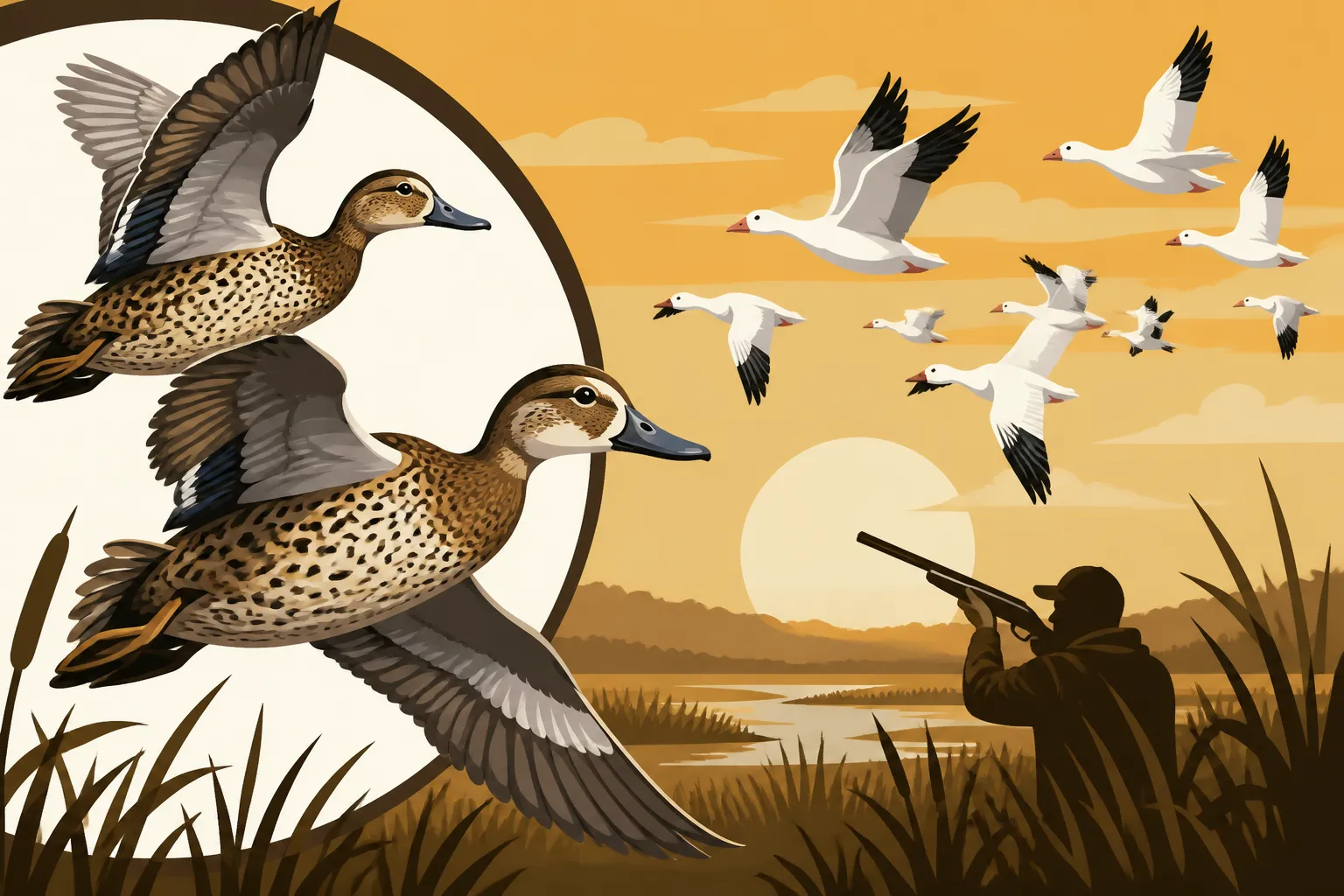
Specklebellies are medium-sized geese, typically smaller than Canada geese but larger than a mallard. Their most distinguishing feature is the mottled, dark barring across their white-feathered breast and belly, which gives them their "specklebelly" name. They also have a prominent white patch at the base of their bill, bright orange legs, and a pinkish-orange bill. Visually, they stand out distinctly from the larger, darker Canada geese or the all-white or blue-phase snow geese.
Their behavior in the field is characterized by extreme caution. Unlike ducks that might commit to a spread on the first pass, specks are notorious for circling multiple times, often at high altitudes, meticulously scrutinizing the setup below. They'll drop lower, gaining confidence, only to flare instantly if something looks amiss – a hunter moving, a blind not properly brushed in, or decoys that seem unnatural. This wariness is what makes them such a captivating and frustrating bird to pursue, demanding near-perfect concealment and calling.
The most iconic trait of the specklebelly, however, is their distinctive call. It’s a high-pitched, rapidly repeated 'wah-wah-wah' or 'klah-klah-klah' that sounds almost like a laugh or a cackle, earning them the nickname "laughing geese." This call is unmistakable in the crisp winter air and is often the first sign that a flock is approaching. Learning to mimic this call accurately is paramount for successful specklebelly hunting, as they rely heavily on auditory cues for flock cohesion and safety.
Preferred Habitats and Feeding Patterns
In Arkansas, specklebellies are primarily found in the rich agricultural landscapes of the Delta, often overlapping with prime duck habitat. They are drawn to fields of harvested rice, soybeans, and corn, where they feed on waste grain left behind by combines. These fields provide an abundant food source, critical for their long migratory journey and for building fat reserves during the winter months. A freshly cut rice field with some standing stubble or a harvested bean field can be an absolute magnet for these birds.
Beyond food, specks require safe roosting areas, typically large, open bodies of water, flooded timber, or expansive impoundments. They will fly daily, often traveling several miles, between their roosting sites and feeding fields. This predictable pattern creates opportunities for hunters who can identify these flight lines and feeding locations. Understanding this daily routine – where they spend the night and where they intend to eat at dawn – is the bedrock of successful specklebelly hunting.
Identifying these preferred habitats and understanding their feeding patterns is where the art of scouting truly comes into play. Driving backroads, glassing fields at dawn and dusk, and observing where the birds are actively feeding are critical steps. A good mapping tool can help you identify land ownership and potential access points. Once you locate a field holding birds consistently, that’s where you’ll want to focus your efforts. These birds often stick to a routine, so finding their preferred spot can lead to several successful hunts if done discreetly.
Snow Geese: A Delta Phenomenon
If specklebellies are the wily, challenging individualists of the goose world, snow geese are the overwhelming, awe-inspiring masses. Their presence in Arkansas during the winter is nothing short of spectacular, with flocks numbering in the tens of thousands that can literally darken the sky. Hunting snow geese is less about individual bird behavior and more about managing the chaos and sheer volume of these incredible migrations.
Migration, Population Dynamics, and the "Blue Goose" Variant
Snow geese migrate through Arkansas as part of the massive Mississippi Flyway, arriving in waves throughout the late fall and winter. These birds originate from the Arctic tundra, where their populations have exploded in recent decades due to changes in agricultural practices that provide them with abundant food during their migration. The sheer scale of their migration is hard to comprehend until you witness a major push, with flock after flock moving overhead, their calls creating a constant roar in the sky.
Within the snow goose species, there are two distinct color phases: the white phase (the typical snow goose) and the blue phase, commonly referred to as "blue geese." The blue phase birds have a dark blue-gray body with a white head and often a white neck, looking quite distinct from their white counterparts. Despite the dramatic difference in appearance, they are the exact same species and interbreed freely. It's common to see both phases within the same flock, and hunters often bag a mix of white and blue birds.
The population dynamics of snow geese are a major conservation concern. Their numbers have grown so dramatically that they are causing significant ecological damage to their fragile Arctic breeding grounds. Their aggressive grubbing for roots and rhizomes can strip vast areas of vegetation, impacting other nesting species and the overall health of the tundra ecosystem. This overpopulation is the driving force behind the special hunting regulations designed to help manage their numbers. You can often track these impressive numbers and migration patterns, along with valuable hunting information, using resources that are often updated to reflect Snow Goose Numbers in the Delta.
Damage, Habitat Impact, and the Conservation Order
The environmental impact of an overpopulation of snow geese is a serious issue that extends beyond the Arctic. In their wintering grounds, including Arkansas, their feeding habits can also cause significant agricultural damage. While they primarily feed on waste grain, huge flocks can still impact emerging crops or devastate fields, leading to frustrated farmers. The sheer volume of birds in a single field can turn a productive agricultural area into a barren wasteland.
To combat this overpopulation and the resulting habitat destruction, wildlife agencies, including the Arkansas Game and Fish Commission (AGFC), implement a special "Light Goose Conservation Order." This order specifically targets snow, blue, and Ross's geese. The Conservation Order is unique in waterfowl hunting because it comes with highly liberalized regulations designed to encourage hunters to harvest more birds. This often includes extended seasons, sometimes well into late winter or early spring, as well as a lack of daily bag or possession limits.
Perhaps the most significant provisions of the Conservation Order are the allowance of electronic calls and extended shooting hours. Electronic calls, which are otherwise illegal for waterfowl, enable hunters to broadcast the deafening sounds of a massive feeding flock, drawing in birds that might otherwise be impossible to decoy. Extended shooting hours (often until half an hour after sunset) provide additional hunting time. Hunters looking to specifically target these birds during this special period should consult the Light Goose Conservation Order Dates for the most current information. By participating in this order, hunters play a direct role in mitigating ecological damage and contributing to wildlife management efforts.
Hunting Strategies for Arkansas Geese
Successfully hunting geese in Arkansas, whether it's the wary specklebellies or the overwhelming numbers of snow geese, requires a strategic approach that combines meticulous scouting, effective calling, and impeccable concealment. It's a game of observation, patience, and knowing how to make your spread irresistible to incoming birds.
Scouting and Field Selection for Success
Scouting is, without a doubt, the most crucial element in goose hunting success. Geese are creatures of habit but are also highly mobile, so finding where they want to be on any given day is paramount. This means dedicating time to driving the backroads of the Delta, especially at dawn and dusk, to locate active feeding fields. Don't just look for birds in a field; look for birds that are actively feeding, their heads down, indicating a comfortable and abundant food source.
When evaluating a field, look for more than just birds. Observe fresh droppings, disturbed stubble, and tracks in the mud or frost. These are tell-tale signs of recent and consistent activity. Pay attention to the type of crop harvested – rice and soybeans are often prime targets. Consider the field's proximity to a roosting water source, as geese will commute between the two. Wind direction is also vital; geese will always land into the wind, so your setup needs to account for this. A good field will have a pattern of daily usage, indicating it's a "hot" spot. Using mapping applications with public land overlays, or even a service like GoHunt, can assist in pinpointing these potential locations and understanding property lines.
The challenge, especially for those new to Arkansas, is often gaining access to these prime private agricultural fields. Building relationships with landowners is invaluable. Respectful inquiries, offering to help with chores, and always leaving a field cleaner than you found it can go a long way. Public land opportunities for goose hunting exist, particularly on Wildlife Management Areas (WMAs) with agricultural components, but they typically require more extensive scouting and competition. Understanding how to navigate different public lands is a skill. Our guide on Scouting Arkansas Public Land Before Season provides excellent insights into preparing for hunts on state-managed areas, which can sometimes extend to goose opportunities, especially when considering areas around Hunting Rice Fields and Levees.
Calling Techniques and Decoy Spreads
Calling strategies differ significantly between specklebellies and snow geese. For specks, realism and cadence are key. Their "laughing" call needs to be replicated accurately, with the right rhythm and pitch. Overcalling can often scare them off; a few well-timed, realistic calls as they approach are often more effective. It's about sounding like a small, contented flock. Hunters often spend years perfecting their specklebelly calling, recognizing the subtle nuances that bring these wary birds closer.
Snow goose calling, especially during the Conservation Order, is a game of sheer volume. With electronic calls, the goal is to recreate the deafening din of thousands of feeding geese. This cacophony is designed to draw birds from vast distances and give them the confidence that they are landing in a massive, safe flock. Manual calls are also used to add realism and specific inflections, but the backbone of a snow goose spread often relies on amplified sound. It’s a completely different approach than the precise, subtle calling required for specks.
Decoy spreads are equally distinct for each species. For specklebellies, quality often trumps quantity. A spread of one to two dozen realistic full-body or shell decoys, set up in small family groups, often works best. The goal is to create a natural, unpressured look with plenty of landing room. For snow geese, however, it's all about numbers. Spreads can range from hundreds to thousands of decoys, including wind socks, shells, and full bodies. Motion decoys, like rotary machines, are critical to bring the vast spread to life. The larger the spread and the more motion you can create, the more visible and appealing your spread will be to distant flocks. It's about creating an illusion of a massive, active feed. Properly Setting a Spread on a Levee can make all the difference, creating natural funnels for incoming birds.
Blinds, Concealment, and Ethical Considerations
Impeccable concealment is non-negotiable for goose hunting. Geese possess incredibly sharp eyesight and are quick to detect anything out of place. Layout blinds are the standard for field hunting, allowing hunters to lie prone and remain completely hidden within the decoy spread. It's crucial to brush these blinds in meticulously with natural vegetation from the exact field you are hunting. If you’re hunting in a corn stubble field, use corn stalks. If it’s a soybean field, use bean stubble. Any contrast, even subtle, can cause birds to flare.
Beyond layout blinds, hunters employ other forms of concealment. Natural ditches, fence lines, or small rises in the terrain can offer some cover, often enhanced with camouflage netting. For snow goose hunting, where massive spreads might necessitate lying directly among the decoys, white camouflage clothing and face paint can help hunters blend in. The objective is to make yourself utterly invisible, becoming just another part of the field until it's time to shoot.
Ethical hunting practices are paramount. Always strive for clean kills and retrieve every downed bird promptly. This often means running considerable distances, especially with snow geese that can glide far after being hit. Avoid "sky-busting," which is shooting at birds beyond effective range. This practice often results in wounded birds that are never recovered, wasting game and violating ethical principles. Respect private property, close gates, and pack out all trash, including spent shells. Maintaining a positive relationship with landowners and upholding the integrity of the sport ensures continued hunting opportunities for all.
Gear and Equipment for Arkansas Goose Hunting
Just like any specialized form of hunting, chasing geese in Arkansas requires specific gear and equipment. Having the right tools for the job can make the difference between a frustrating day and a memorable hunt. From your decoys to your shotgun, every piece plays a role in your success and comfort.
Decoy Types and Effective Layouts
The cornerstone of any successful goose hunt is the decoy spread. For specklebellies, realism is key. Full-body decoys offer the most lifelike appearance but are the most expensive and cumbersome to transport. Shell decoys, which are essentially the top half of a goose, and silhouettes offer a more portable and affordable option that can still be very effective, especially when mixed with a few full bodies. The goal is a natural, inviting look, often with a dozen to two dozen decoys arranged in small, realistic feeding groups.
For snow geese, the approach is different: it's about numbers and motion. Texas rags or wind socks are incredibly popular due to their affordability, lightweight design, and ability to create motion with even the slightest breeze. Sillosocks are another excellent option, offering realism and motion in a compact package. Full-body snow goose decoys are also used, often in key positions within a large spread. Critical for snow goose spreads are motion decoys, such as rotary machines or "flappers," which create the illusion of active, flapping wings, catching the eye of distant birds.
Effective decoy layouts are also species-specific. For specks, create a natural-looking "landing zone" or "kill hole" directly in front of your blinds, surrounded by feeding and resting decoys. The spread should feel unpressured. For snow geese, the spread needs to appear as a massive, chaotic feeding frenzy. Hunters often create funnels, "J-hooks," or large "U" shapes with their decoys, ensuring that birds attempting to land into the wind are guided towards the hidden hunters. Experimentation and observation of how birds react to your spread are vital. Utilizing features within GoHunt, such as their mapping and scouting tools, can help visualize and plan effective decoy layouts on various field types, optimizing your chances before you even set foot in the field.
Shotguns, Ammunition, and Shooting Skills
When it comes to shotguns, the 12-gauge is the undisputed king for goose hunting in Arkansas. Many serious goose hunters opt for a 3.5-inch chambered semi-automatic or pump shotgun, which allows for heavier loads of shot, providing maximum range and knockdown power. Some hunters even prefer a 10-gauge for its superior payload. Reliability is paramount, as goose hunting often takes place in cold, muddy, and wet conditions that can challenge less robust firearms. A shotgun that cycles reliably when you need it most is priceless.
Ammunition choice is equally critical. Per federal and state regulations, all waterfowl hunting in Arkansas requires nontoxic shot. This is a crucial detail, and details about Nontoxic Shot Rules in Arkansas should be reviewed before heading out. Steel shot is the most common and economical choice, but many hunters prefer more expensive alternatives like bismuth, tungsten-matrix, or other alloys for their superior density, pattern uniformity, and energy retention, which translates to better performance on large, tough birds. Shot sizes typically range from BB to T for snow geese, and #2 to BB for specklebellies. Selecting the right choke (usually modified or improved modified) to optimize your pattern with your chosen ammunition is essential.
Developing strong shooting skills is often overlooked but vital for success. Geese are large, but they are incredibly fast and resilient, and shots are often at longer ranges than typical duck hunting. Practicing with your chosen ammunition and shotgun on clays to simulate high, fast-crossing shots will pay dividends. Emphasize a smooth swing and consistent follow-through. It’s important to know your effective range and only take ethical shots within that distance, minimizing cripples and ensuring quick, humane kills. Don't be afraid to take a second or third shot if a bird is still flying strongly, as long as it's safe to do so.
Essential Field Gear and Comfort Considerations
Beyond your firearm and decoys, a variety of other gear is essential for a comfortable and effective goose hunt. Good quality waders, even when hunting dry fields, are often necessary due to muddy conditions or unexpected standing water. Layered, waterproof, and windproof clothing is critical for staying warm and dry during long hours in exposed fields, often in harsh winter weather. Don't forget insulated gloves, a warm hat, and face mask, as extremities lose heat quickly.
Other indispensable items include a reliable headlamp or powerful flashlight for navigating fields in pre-dawn darkness and for retrieving birds after shooting hours. A sturdy field bag or backpack to carry calls, extra shells, snacks, and water is also a must. A comfortable, low-profile seat or pad can make a big difference if you’re not using a layout blind. For navigation and marking downed birds in vast fields, a GPS device or a mapping app on your phone (like those found within GoHunt's comprehensive platform) is invaluable, especially during retrieves in low light.
Finally, consider items that aid in retrieving and processing your harvest. If you don't hunt with a dog, a long retrieving pole can be helpful for birds downed in muddy or watery areas. A large cooler with plenty of ice is crucial for properly caring for your birds, especially if you have a good day. Proper game care is essential to ensure the meat is of the highest quality for the table, as discussed in our articles on Field Dressing in Arkansas Heat and Cooling Meat in an Arkansas November. Having a plan for transporting your birds, especially if you're traveling a long distance, is also important.
Regulatory Aspects and Conservation
Hunting geese in Arkansas, like all forms of hunting, operates within a framework of regulations designed to ensure sustainable populations and ethical practices. Understanding and adhering to these rules is not just about staying legal; it's about contributing to the long-term health of the resource and the sport.
Licenses, Stamps, and HIP Registration
Before you even step foot in an Arkansas goose field, you must ensure you have all the necessary licenses and stamps. Every hunter, regardless of age, needs a valid Arkansas hunting license. For migratory birds, this is supplemented by an Arkansas waterfowl stamp and a federal duck stamp. These stamps are not just permits; they are critical funding mechanisms for waterfowl conservation efforts across the country. It's imperative to have all these documents in your possession while hunting. Details on securing these can be found in our guide to Arkansas Hunting Licenses and What They Cost.
Beyond the state and federal stamps, all migratory bird hunters are required to register with the Harvest Information Program (HIP). This federal program collects vital data on migratory bird harvests, allowing wildlife agencies to make informed management decisions. It's a free, quick registration that can often be completed when you purchase your license, but it's easily overlooked. For a deeper dive into this essential step, consult our article on Arkansas HIP Registration for Migratory Birds. Failing to complete your HIP registration, even with all other licenses in order, can result in a violation.
It's also crucial to be aware of the specific season dates and regulations for the geese you are pursuing. Arkansas has distinct seasons for various waterfowl species, and these can have different opening and closing dates, daily bag limits, and shooting hours. Always consult the current year's Arkansas Game and Fish Commission (AGFC) hunting regulations booklet or website for the most up-to-date information, especially regarding Arkansas Goose and Speck Seasons. Regulations can change annually, so relying on outdated information is a risk.
Conservation Order Rules and Special Provisions
The Light Goose Conservation Order is a unique regulatory tool employed by the AGFC to manage the overpopulation of snow, blue, and Ross's geese. This order provides highly liberalized hunting opportunities, deviating significantly from standard waterfowl regulations. The primary goal is to encourage a higher harvest rate to alleviate the ecological damage caused by these burgeoning populations.
During the Conservation Order, hunters typically benefit from a few key special provisions. Most notably, there is often no daily bag limit and no possession limit, meaning hunters can harvest as many geese as they legally can. Shooting hours are often extended, sometimes until half an hour after sunset, providing additional time to intercept flocks. The most impactful provision, however, is the allowance of electronic calls. This enables hunters to create an incredibly realistic and loud soundscape of feeding geese, which is instrumental in attracting large, wary flocks.
While the rules are relaxed compared to regular waterfowl seasons, it's vital to remember that other core hunting ethics and safety regulations still apply. Nontoxic shot is still a requirement, and all hunters must still possess their valid hunting licenses and federal/state migratory bird stamps. The Conservation Order is a management tool, not a free-for-all. Hunters participating in these hunts are performing a valuable service to conservation, and upholding the integrity of the sport ensures these opportunities continue. A thorough understanding of Hunting Under Spring Conservation Order Rules is essential for anyone planning to participate.
Reporting and Transporting Your Harvest
Unlike deer or turkeys, there is typically no mandatory check-in or reporting requirement for geese harvested during the Conservation Order in Arkansas. However, hunters should always be vigilant for any new or specific reporting mandates that the AGFC might implement. Keeping accurate personal records of your harvest can be beneficial for self-assessment and can assist with any voluntary surveys the AGFC might conduct.
Proper transportation of your harvest is also governed by regulations. All migratory birds must have a fully feathered wing attached until they reach their final destination (your home or a meat processor). This allows wildlife officers to properly identify the species and ensure compliance with bag limits (if applicable). Additionally, birds belonging to different hunters must be kept separate and clearly marked to avoid commingling, which can lead to legal issues if one hunter has exceeded their personal limit or violated other rules.
Finally, swift and sanitary processing of your harvested geese is crucial. Whether you're breasting them out in the field or taking them to a professional processor, proper handling ensures the meat remains in excellent condition for consumption. Chilling and freezing the meat quickly and correctly packaging it will preserve its quality. Understanding the proper steps for cleaning, cooling, and transporting game meat is the final, often overlooked, step in a responsible and successful hunt.
Arkansas Goose Species Comparison
| Feature | Specklebelly Goose (Greater White-fronted) | Snow Goose (White/Blue Phase) |
|---|---|---|
| Appearance | Medium-sized, mottled breast, white face patch, orange legs/bill. | Large, white or dark blue-gray body, black wingtips, pink legs/bill. |
| Call | Distinctive "laughing" or "cackle" call. | High-pitched honks and barks, very noisy flocks. |
| Flock Size | Often smaller family groups, wary. | Enormous flocks, can number in the thousands. |
| Primary Habitat | Harvested rice/soybean fields, near water. | Open agricultural fields (rice, corn, beans), shallow water. |
| Feeding Style | Surface grazers, waste grain. | Grub for roots and rhizomes, surface grain. |
| Waryness | Extremely wary, sharp eyesight. | Wary, but can be deceived by massive spreads/calls. |
| Decoy Spread | Smaller, realistic spreads (1-2 dozen). | Massive spreads (hundreds/thousands), motion critical. |
| Calling | Realistic cadence, subtle. | High volume, electronic calls common (Conservation Order). |
| Management Focus | Regulated bag limits, challenging hunt. | Conservation Order due to overpopulation/damage. |
| Season | Regular waterfowl season. | Regular waterfowl + special Conservation Order. |
Hunting specklebellies and snow geese in Arkansas offers some of the most exciting and unique waterfowling experiences imaginable. From the challenging pursuit of the wary "laughing geese" to the awe-inspiring spectacle of thousands of snow geese descending into a decoy spread, these hunts provide memories that last a lifetime. By understanding their behaviors, employing effective strategies, and adhering to all regulations, you'll be well-equipped to enjoy the incredible goose hunting that the Natural State has to offer. So, grab your gear, scout those fields, and get ready for some unforgettable action in the Arkansas Delta!
Disclaimer
This article is for general informational purposes only and does not constitute professional advice. Laws, prices and regulations vary by location and change over time. Consult a qualified professional for guidance on your specific situation.