Nest Predation and Turkey Hatches
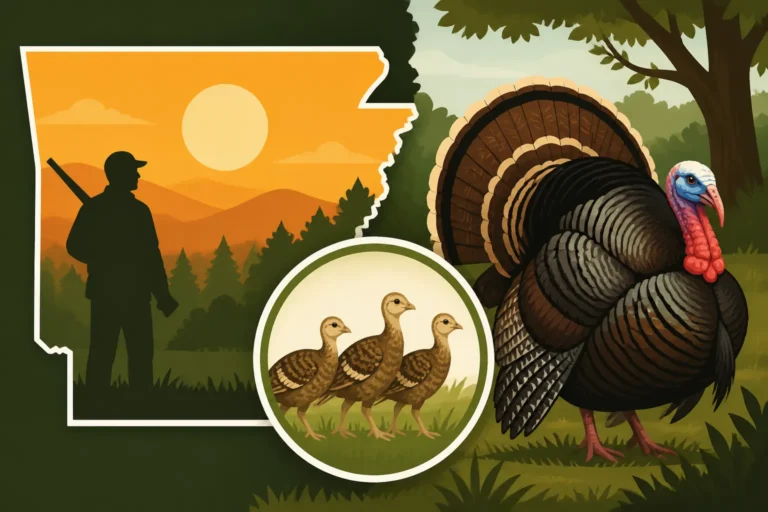
For anyone who’s spent time chasing gobblers through the Arkansas woods, the sight of a hen with a healthy brood of poults following her is a truly heartwarming experience. It's the future of our turkey hunting, pure and simple. But lately, it feels like those sightings are rarer, and one of the biggest, most heartbreaking reasons for that decline is the constant battle turkey hens face against nest predation. This guide is all about diving deep into that struggle, helping you understand what happens on the ground during those critical nesting weeks and why successful hatches are so vital to the health of our wild turkey populations.
The Harsh Reality of Turkey Nest Predation in Arkansas
Let's be brutally honest: life for a wild turkey hen during nesting season in Arkansas is incredibly tough. She's got a big target on her back, even if she doesn't know it. Predators are everywhere, constantly searching for an easy meal, and a clutch of turkey eggs or a vulnerable hen on a nest represents exactly that. It's a natural part of the ecosystem, yes, but when predator populations are high and nesting cover is scarce, it becomes a significant bottleneck for turkey reproduction. We often talk about declining turkey numbers, and while many factors contribute, the sheer loss of nests to predators is a huge, undeniable piece of that puzzle.
Who Are the Main Culprits? The Usual Suspects and Some Surprises
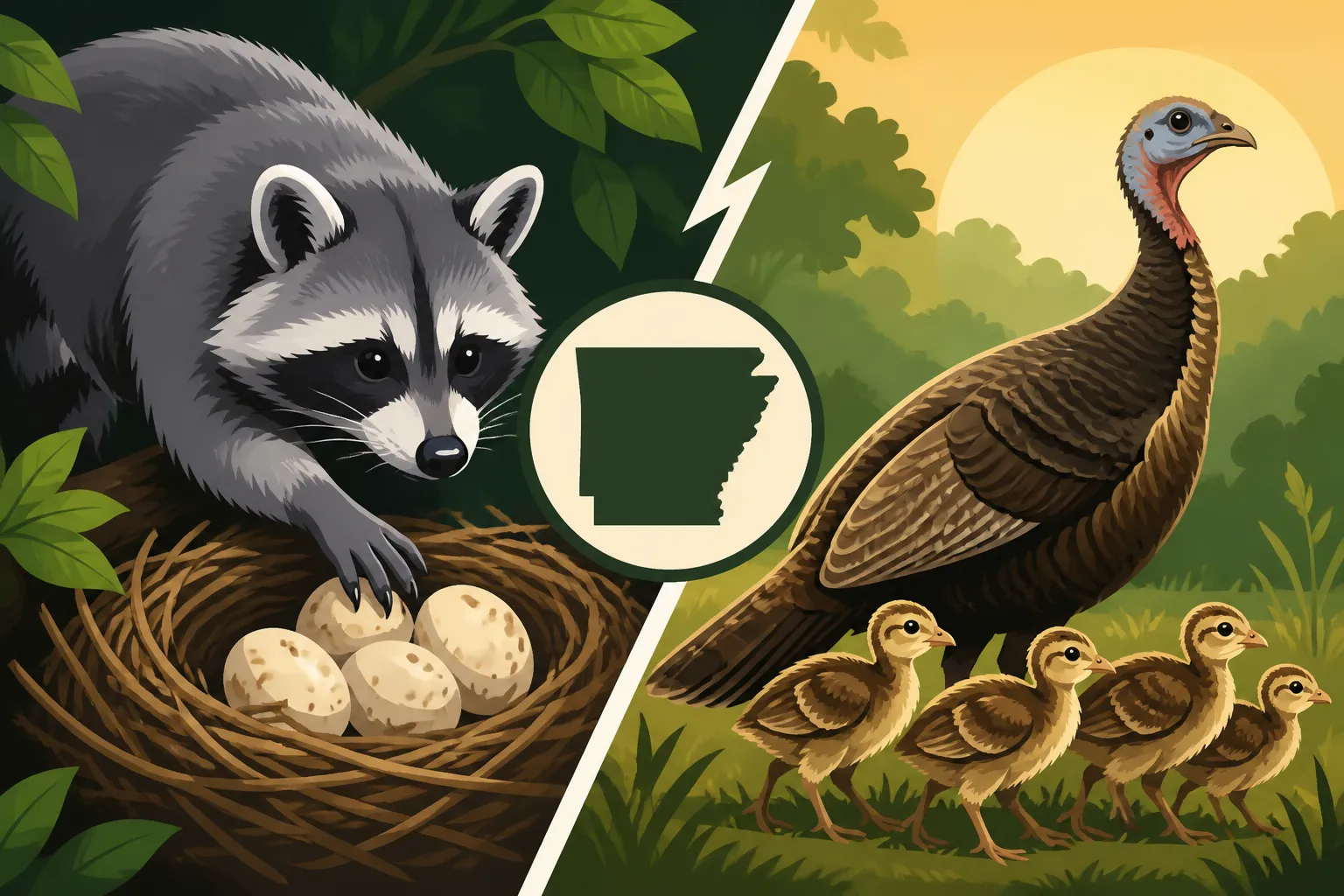
When we talk about nest predators in Arkansas, a rogues' gallery of familiar faces immediately comes to mind. Raccoons, opossums, and skunks are probably at the top of the list. These critters are incredibly efficient at finding nests. They’re opportunistic omnivores, always sniffing around, and a turkey nest offers a high-protein buffet. They’ll systematically raid a nest, eating every single egg, sometimes leaving behind little more than broken shells and a hollowed-out depression where a promising hatch once lay. It's not just the eggs, though; if a hen is particularly wary or slow to flush, these ground predators can sometimes even get to the hen herself, though that's less common than egg depredation.
But the list doesn't stop there. Snakes, from black rat snakes to venomous species, are also highly effective nest predators. Their slender bodies allow them to navigate dense cover, and they're perfectly designed to swallow eggs whole. Beyond the smaller creatures, we also have to contend with larger mammals. Coyotes and bobcats, both abundant across Arkansas, are adept hunters and won't pass up an easy meal like a nesting hen or her eggs if they stumble upon them. And let's not forget about feral hogs. These destructive animals are truly a nightmare for ground-nesting birds. They'll root up entire areas, devouring nests, eggs, and even poults with alarming efficiency. Their presence can devastate local turkey populations, turning what might have been a successful hatch into a barren wasteland. Understanding these threats helps us grasp why Arkansas Turkey Population Trends often show struggles, and it’s a constant battle for hens trying to bring off a brood.
The Impact on Poult-to-Hen Ratios
The brutal reality of nest predation directly translates to poor poult-to-hen ratios. This ratio, which tracks how many young turkeys successfully survive to a certain age per adult hen, is a critical indicator of a turkey population's health and future. When nest predation is high, fewer nests make it to hatch, meaning fewer poults hit the ground. Even if a hen manages to hatch a clutch, the poults themselves are incredibly vulnerable in their first few weeks of life, and many succumb to predators, weather, or disease before they're strong enough to fend for themselves.
Think about it: a hen lays maybe 10-12 eggs. If a raccoon finds that nest, all those eggs are gone in one night. The hen might try to re-nest, but each subsequent attempt often results in fewer eggs and a later hatch, making the poults even more susceptible to summer heat and early-season predators. So, instead of seeing a hen with eight or ten poults scratching around a field, we might see her with two, or worse, none at all. This low recruitment directly impacts our overall turkey numbers. If we aren't producing enough new turkeys to replace the ones lost to natural mortality and hunting, the population will inevitably decline. It’s a cyclical problem, and when those Poult-to-Hen Ratios and What They Mean dip too low, it's a clear red flag for the future of our spring turkey hunts.
Understanding Habitat and Nesting Success
Habitat is everything for wild turkeys. It provides food, cover, and, most importantly for our discussion here, nesting sites. A hen's ability to successfully hatch a clutch of eggs is intrinsically tied to the quality and availability of suitable nesting habitat. When the habitat is fragmented, degraded, or lacking in the specific types of cover turkeys need, nest predation rates tend to skyrocket. It's a critical factor that hunters and land managers need to understand if we hope to help our turkey populations rebound.
Ideal Nesting Cover vs. Reality on the Ground
What does a wild turkey hen look for when she's ready to lay eggs? She craves dense, thick cover that can conceal her nest from prying eyes and sniffing noses. Think of areas with tall, undisturbed native warm-season grasses, brushy thickets, briar patches, or the edges of dense young pine stands. This type of cover provides both visual obstruction and physical protection, making it harder for predators to locate the nest. The denser the vegetation, the better her chances of going unnoticed. She'll typically scratch out a shallow depression on the ground, lay her eggs, and meticulously cover them with leaves and debris when she leaves the nest, hoping to blend it perfectly with her surroundings.
However, the reality in much of Arkansas often falls short of this ideal. Years of intensive agriculture, development, and certain forestry practices have led to widespread habitat fragmentation. We see vast expanses of clean-cut fields with very little edge cover, or timber stands that are too open with a sparse understory. Even on public lands, habitat management can be a constant challenge. When a hen has to nest in sparse, open woods or a narrow fencerow, her nest becomes a sitting duck. Predators have an easier time visually spotting the nest or picking up the hen's scent. This lack of secure nesting sites forces hens into suboptimal locations, dramatically increasing their risk of nest failure. Even tools like GoHunt, with its detailed satellite imagery, can show you just how scarce truly ideal, undisturbed nesting cover can be in some areas.
How Management Can Influence Predation Rates
The good news is that we're not entirely powerless against nest predation. Thoughtful habitat management can significantly tip the scales in favor of nesting hens. The key is to create and maintain diverse habitats that offer ample, secure nesting cover. This often involves a multi-faceted approach, tailored to the specific landscape. For example, on private lands, establishing native warm-season grasses (like switchgrass or bluestem) in fallow fields or along field edges can create incredible nesting habitat. These grasses grow tall and dense, providing excellent concealment. Another effective strategy is prescribed burning. While it might seem counterintuitive, controlled burns, when implemented correctly and on a rotating basis, can stimulate new growth, reduce dense woody encroachment, and create a mosaic of varying cover types that benefit turkeys and other wildlife.
Timber management also plays a crucial role. Selective timber harvests and thinning operations, followed by efforts to encourage diverse understory growth, can provide the dense, brushy areas hens seek. We're talking about creating that mid-story layer of vegetation that offers protection without becoming so thick that movement is impossible. For public land hunters, learning to identify these habitat types is key. Services like GoHunt provide mapping tools that can help you scout aerial photos for these precise characteristics, allowing you to pinpoint potential nesting areas or areas with good brood cover that will eventually lead to more turkeys. Looking into resources like Hunting Turkeys in Ouachita Pine or Scouting Arkansas Public Land Before Season can provide additional insights into identifying these crucial habitat features. By improving habitat quality and quantity, we give hens a fighting chance, making it harder for predators to find and destroy their nests.
The Role of Weather and Environmental Factors
Even with perfect habitat, Mother Nature can still throw a wrench into a hen's nesting plans. Weather plays a surprisingly significant role in overall nesting success, sometimes directly destroying nests and at other times indirectly impacting the chances of poult survival. It’s another layer of complexity that wild turkeys must contend with in their annual reproductive cycle, and it can vary wildly from one year to the next in Arkansas.
Wet Springs and Their Devastating Effects
Arkansas is no stranger to wet springs, and while rain is essential for our ecosystems, excessive rainfall during nesting season can be absolutely devastating for wild turkeys. Imagine a hen diligently incubating her clutch, only for a torrential downpour to hit, flooding her nesting bowl. Many nests are simply washed away or become waterlogged, killing the embryos inside the eggs. Hens themselves might be forced off the nest by rising water, exposing the eggs to predators or chilling temperatures. A hen might try to remain on a nest for as long as possible, even in damp conditions, but prolonged exposure to wetness can also lead to illness or reduced viability of the eggs.
Beyond direct nest destruction, wet, cold spring weather can also impact the newly hatched poults. Young poults are incredibly susceptible to hypothermia in their first few weeks of life, especially if they get wet. If a cold rain moves in shortly after a hatch, it can wipe out an entire brood overnight. The constant dampness can also lead to an increase in diseases, further reducing poult survival. We’ve seen years where a promising early spring was followed by a deluge, and the subsequent Arkansas Turkey Brood Surveys showed a sharp decline in poult numbers, proving just how critical dry, warm conditions are for successful recruitment. It’s a stark reminder that turkeys are always living on the edge, vulnerable to environmental shifts.
Drought and Its Indirect Impacts
While wet springs are a major concern, unusually dry springs and early summers can also pose challenges, albeit often indirectly. During periods of drought, vegetation might not grow as lush and dense, meaning less ideal nesting cover for hens. This can lead to nests being more exposed and easier for predators to find, similar to the issues seen with habitat fragmentation. Less dense cover means less concealment, and a higher chance of a nest being discovered by a hungry raccoon or a keen-eyed coyote.
Furthermore, drought conditions can impact the insect populations that are absolutely vital for young poults. Poults primarily feed on insects during their first few weeks of life, needing a high-protein diet to grow rapidly and develop their flight feathers. If drought reduces insect availability, poults might struggle to find enough food, leading to malnutrition, slower growth, and increased vulnerability to disease and predators. So, while a drought might not directly destroy a nest in the same way a flood does, its ripple effects through the food chain and habitat quality can still contribute to lower poult survival rates. It’s a delicate balance, and optimal conditions, neither too wet nor too dry, are essential for strong turkey hatches.
What Can Be Done to Boost Turkey Hatches (Within Reason)
Understanding the challenges is the first step, but what can we, as hunters and conservationists, actually do to help? While we can't control the weather or completely eliminate every predator, there are strategic actions that, when applied consistently over time, can make a difference in boosting turkey hatches and, consequently, our turkey populations across Arkansas. It's a long-term commitment, not a quick fix.
Predator Control Efforts
Predator control, particularly trapping, is often a hot topic in turkey conservation circles. While it’s not a standalone solution and can be controversial, targeted predator removal in specific areas, especially during nesting season, can have a noticeable, short-term positive impact on nesting success. The focus is typically on species like raccoons, opossums, and skunks – the most prolific nest robbers. This isn't about eradicating species; it's about reducing localized pressure on nesting hens during the most vulnerable period.
For private landowners, careful and ethical trapping can be a tool to protect nesting areas. On public lands, it's often more complex due to regulations and public perception, but some wildlife management agencies do conduct targeted predator management programs in certain areas. It's important to remember that for predator control to be truly effective for turkeys, it usually needs to be part of a larger, integrated habitat management plan. Without improving habitat, removing predators often just creates a vacuum that other predators quickly fill. It’s a tool, but not the only tool in the toolbox, and hunters should be aware of state regulations regarding trapping and predator harvest, which you can often find discussed in resources about Predator and Furbearer Hunting in Arkansas.
Habitat Improvement on Private and Public Lands
This is arguably the most impactful long-term solution. Improving and expanding secure nesting and brood-rearing habitat is paramount. For private landowners, this means creating those dense, brushy areas, planting native warm-season grasses, and managing timber with turkeys in mind. It could involve delaying mowing in certain fields until after the nesting season to protect ground nests or establishing diverse food plots that provide both insect forage for poults and seed for adult birds. Utilizing tools like GoHunt can help landowners visualize their property and identify areas ripe for habitat improvements, mapping out where dense cover could be established or enhanced.
On public lands, supporting the efforts of the Arkansas Game and Fish Commission (AGFC) and other conservation organizations is vital. This might mean advocating for specific habitat projects, participating in volunteer efforts, or simply buying your licenses and stamps, knowing that a portion of those funds goes directly into habitat work. The AGFC works hard to create ideal conditions, often using prescribed fire, timber thinning, and planting to create a mosaic of habitats beneficial to turkeys. Understanding where the best habitat is located, whether through personal scouting or by using mapping applications that highlight public land features, can also inform your hunting and help you appreciate the efforts being made. When hens have abundant, secure places to nest, their chances of a successful hatch go up significantly, leading to more robust turkey populations over time. This long-term commitment is crucial for healthy Wild Turkeys in Arkansas.
The Long Game: Patience and Persistence
Ultimately, rebuilding turkey populations and ensuring successful hatches is a long game. There are no quick fixes, and setbacks due to weather or disease are inevitable. What's needed is consistent, dedicated effort in habitat management, a thoughtful approach to predator management where appropriate, and a deep understanding of the ecological factors at play. We, as hunters, have a crucial role to play in this. Our dollars from licenses and stamps fund critical conservation work, and our voices can advocate for sound wildlife management policies.
It also requires patience. You might not see a dramatic increase in poults on your favorite hunting ground overnight. But over years, as habitat improvements take hold and hens have more opportunities to successfully raise broods, the positive impacts will accumulate. Continuing to monitor population trends, as evidenced by data like Arkansas Turkey Harvest Numbers, helps wildlife managers make informed decisions. By staying engaged, supporting conservation efforts, and understanding the complex interplay between habitat, predators, and weather, we can all contribute to a brighter future for wild turkeys and the cherished tradition of spring turkey hunting in Arkansas.
| Predator Type | Primary Depredation Method | Signs of Presence Near a Nest | Impact on Turkey Nests |
|---|---|---|---|
| Raccoons | Eating eggs, sometimes hen | Broken, scattered eggshells; messy nest site | High |
| Opossums | Eating eggs | Chewed eggshells, often less scattered | High |
| Skunks | Eating eggs | Smaller, more precisely opened eggs | Moderate |
| Snakes | Swallowing eggs whole | Missing eggs, no shell fragments | Moderate |
| Coyotes | Eating eggs, killing hen | Scratched-out nest, disturbed vegetation | Moderate to High |
| Bobcats | Eating eggs, killing hen | Disrupted nest, potential tracks | Moderate |
| Feral Hogs | Rooting up nest, eating eggs/poult | Major ground disturbance, destroyed nest | Extremely High (localized) |
Disclaimer
This article is for general informational purposes only and does not constitute professional advice. Laws, prices and regulations vary by location and change over time. Consult a qualified professional for guidance on your specific situation.