Two-Person Drives on Small Tracts
Small hunting crews use strategic two-person deer drives on compact Arkansas land parcels by mapping local deer behavior patterns.
Close the distance.
Archery, muzzleloader, and firearm techniques — calling, stand placement, still-hunting, spot-and-stalk, and the weapon rules that change at the state line.
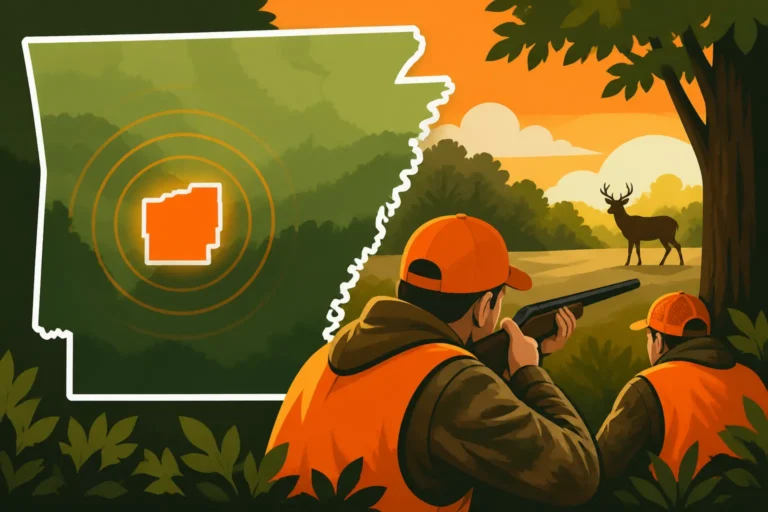
Small hunting crews use strategic two-person deer drives on compact Arkansas land parcels by mapping local deer behavior patterns.
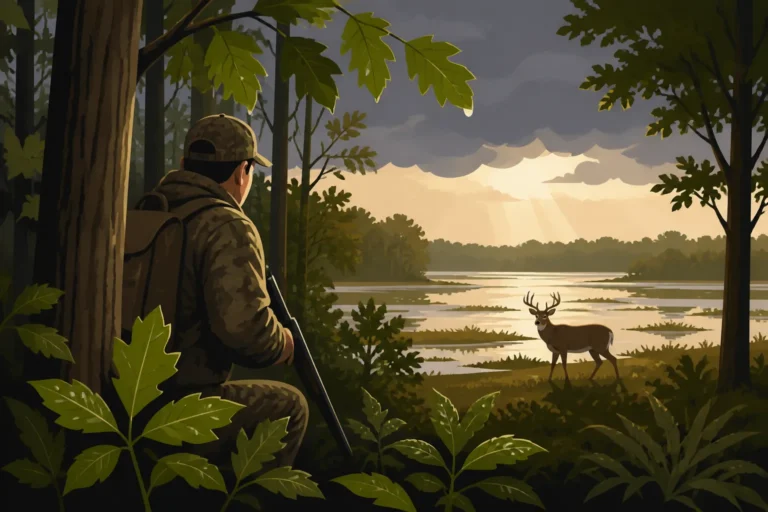
Arkansas Delta rainstorms silence dry leaves, wash away human scent, and help hunters track mature whitetails across wet ground.
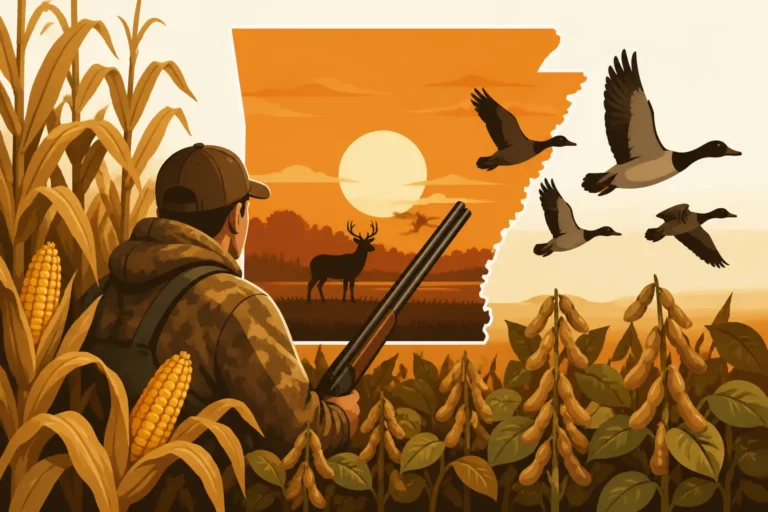
Arkansas Delta standing corn and soybean fields provide whitetail deer with food and secure bedding throughout hunting seasons.
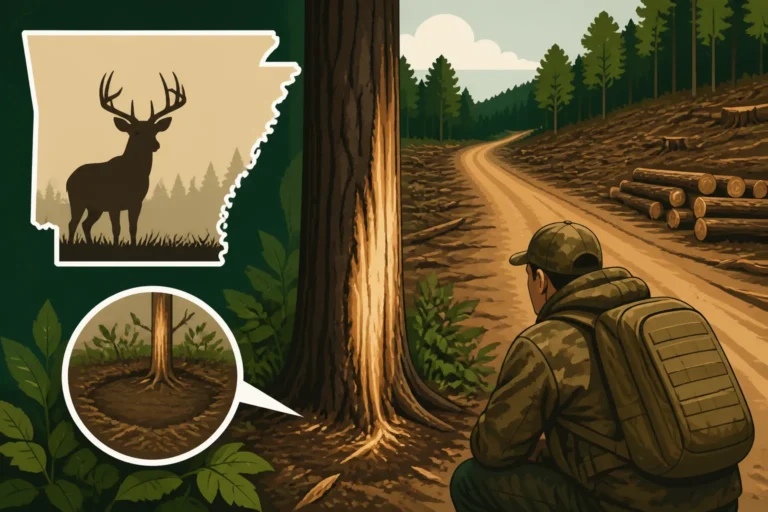
Logging road scrape lines reveal mature buck travel patterns and provide ideal locations for successful deer hunting in Arkansas.
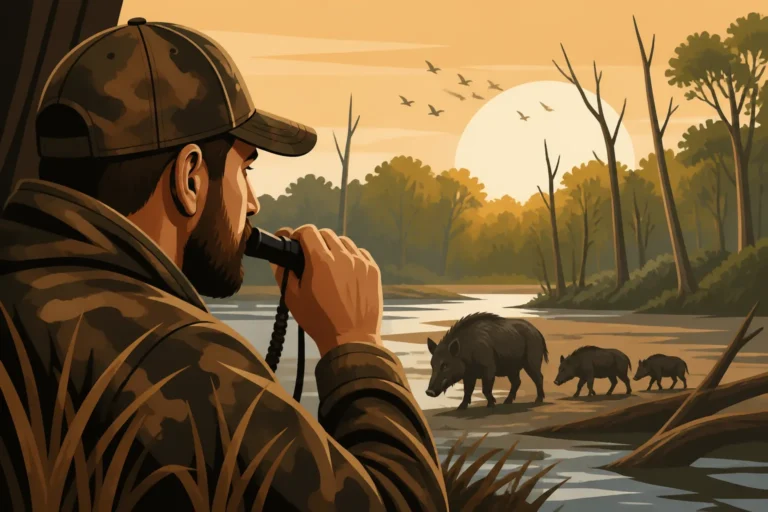
Arkansas river bottom deer hunting techniques explained, featuring grunt call strategies for dense cover and mature bucks.
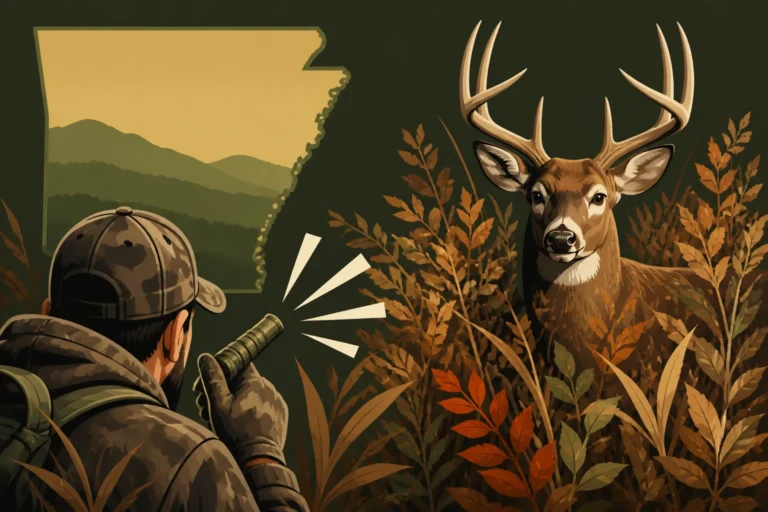
Soft rattling techniques help hunters draw mature bucks out of dense cover by controlling volume and using realistic sounds.
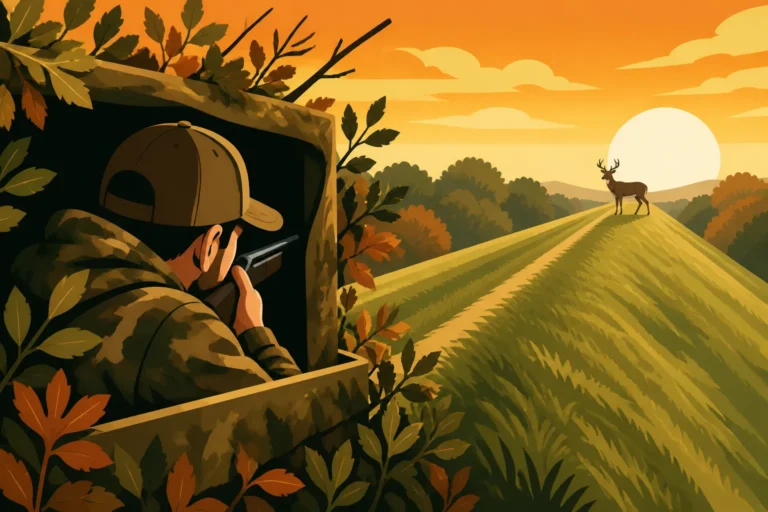
Levee duck blind concealment methods explained step by step, using cornstalks and natural vegetation to blend into the Arkansas Delta.
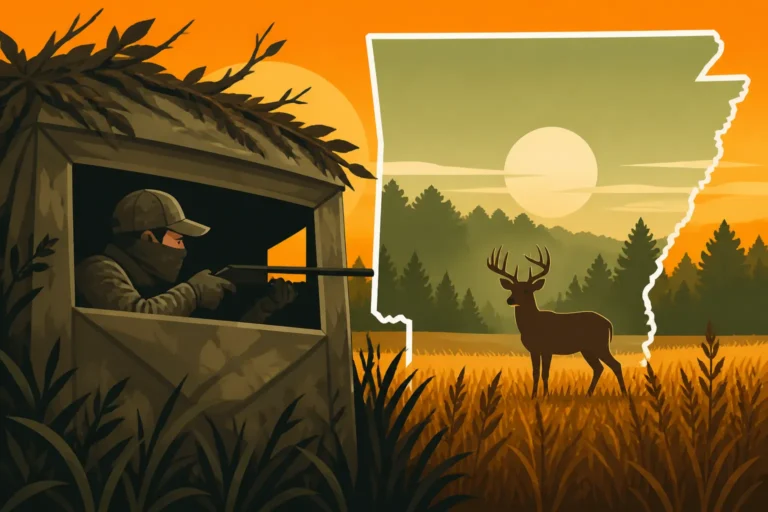
Ground blind strategies help hunters overcome high pressure and limited cover on public Arkansas wildlife management areas.
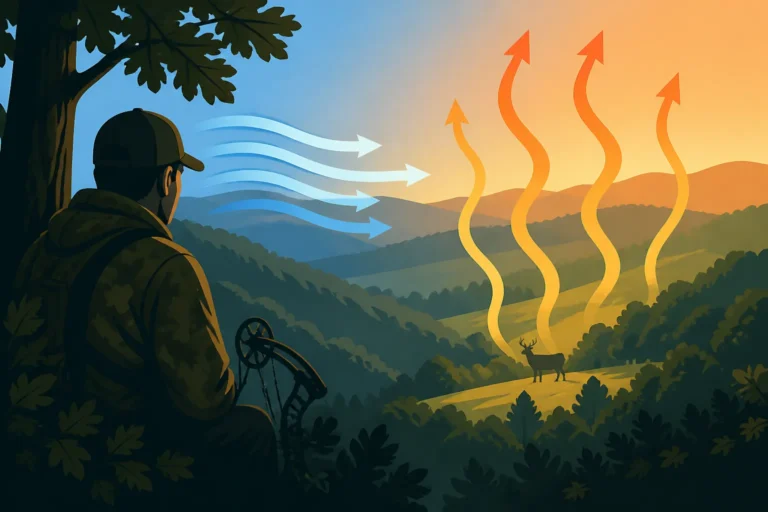
Mountain wind patterns and thermals in Arkansas dictate scent movement, helping hunters choose optimal stands and routes.
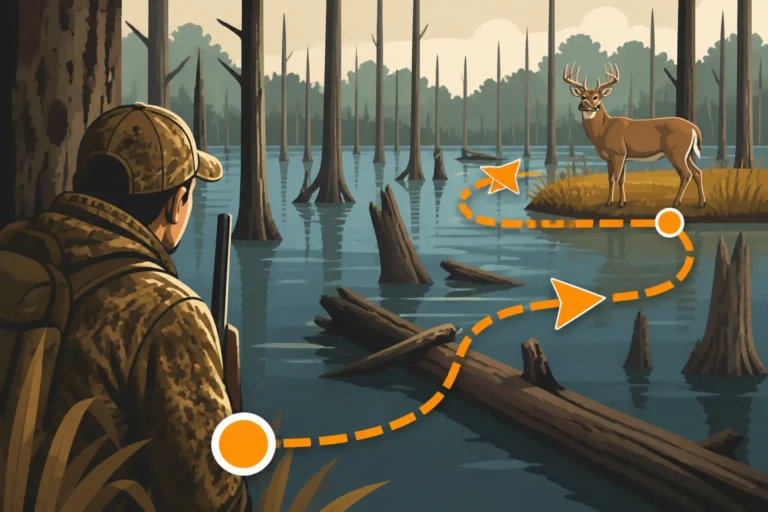
Arkansas flooded timber entry routes require careful planning, water level monitoring, mapping tools, and stealthy navigation techniques for successful hunting.