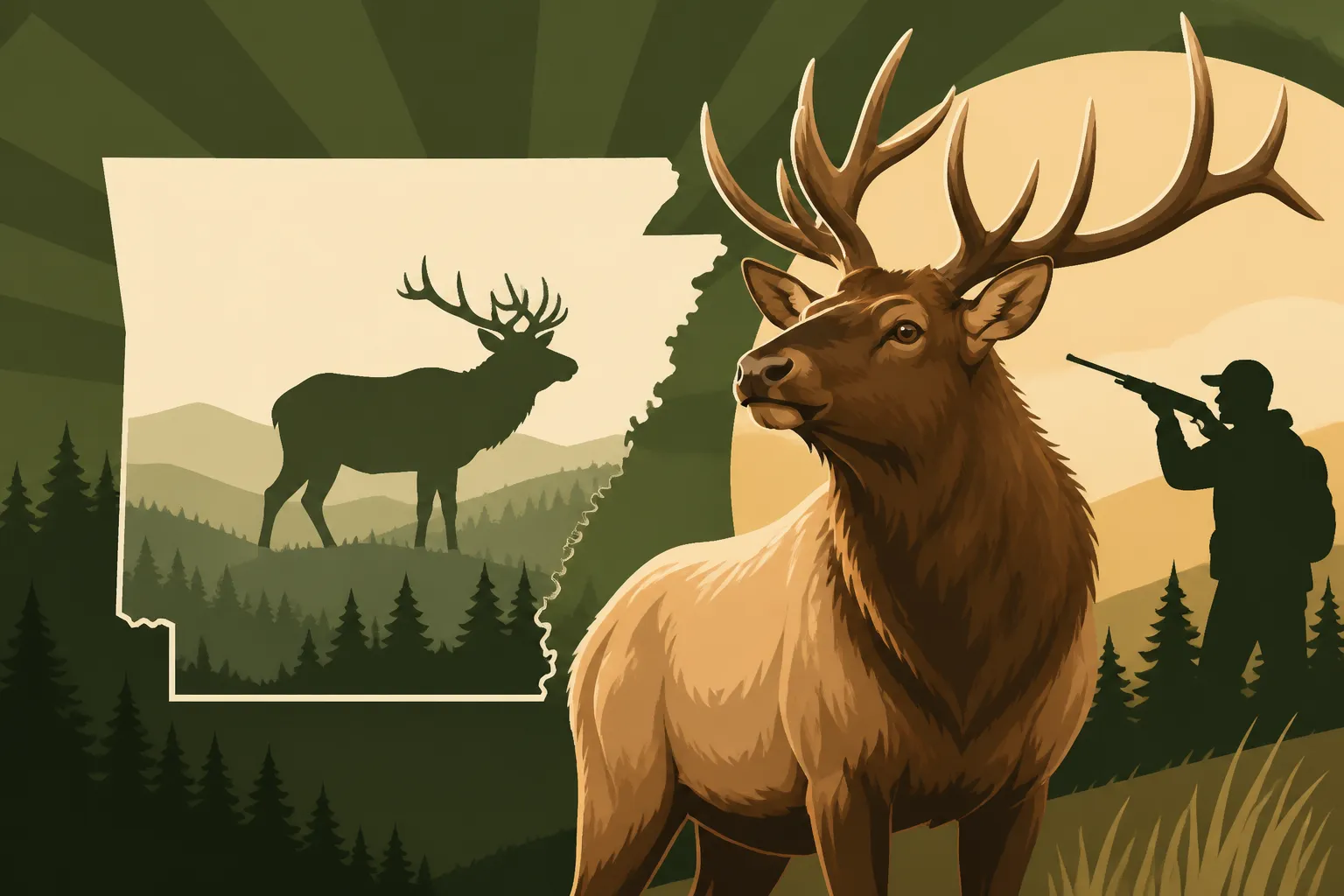
How Many Elk Arkansas Has
One of the most thrilling parts of Arkansas's wildlife story is the incredible comeback of our elk herd. For many folks, the idea of elk roaming the Ozarks sounds like something out of a tall tale, especially if you haven't seen them with your own eyes. It's a valid question to wonder just how many of these majestic animals actually exist here, given their relative scarcity compared to deer. This guide will dive deep into how we estimate these populations, where they thrive, and what it means for conservation and hunting opportunities in the Natural State.
The Comeback Story: From Absence to Presence
It’s hard to imagine, but there was a time when elk were completely absent from Arkansas. They were once native to the state, part of the rich tapestry of wildlife that roamed these hills and bottomlands. However, westward expansion, unregulated hunting, and habitat loss in the 19th and early 20th centuries led to their complete extirpation. For decades, the majestic bugle of an elk was just a ghostly echo in Arkansas's wilderness, a sound only found in history books.
Historical Context of Elk in Arkansas
Before European settlement, elk populations were robust across much of North America, including Arkansas. They were a vital part of the ecosystem, a significant food source for Native American tribes, and an undeniable symbol of the wild. As settlers moved in, farming and logging rapidly transformed the landscape. More critically, market hunting—the practice of killing animals for commercial sale—decimated their numbers. Elk, being large and relatively easy to locate in groups, were particularly vulnerable. By the late 1800s, the last native Arkansas elk was believed to have been killed. It was a stark reminder of humanity's impact on nature and a somber chapter in our state's wildlife heritage. The wilderness felt a silence that it hadn't known for millennia.
The Reintroduction Effort and Its Success
The idea of bringing elk back to Arkansas wasn't just a nostalgic dream; it was a carefully planned, science-driven conservation initiative. Beginning in 1981, the Arkansas Game and Fish Commission (AGFC), with the support of various conservation groups and passionate individuals, embarked on an ambitious reintroduction program. They acquired elk from states like Colorado and Nebraska, healthy animals that were well-suited to our varied terrain. These animals were released into specific areas of the Ozarks, primarily in the vicinity of the Buffalo National River, where habitat assessments showed the best chances for survival and population growth. It was a cautious process, involving monitoring, protection, and careful management. The success wasn't immediate, but over the years, the small transplanted herds began to establish themselves, reproduce, and slowly but surely spread. This monumental effort, detailed in articles like Arkansas Elk Reintroduction History, stands as a testament to what dedicated conservation can achieve, turning a historical void into a vibrant present.
Current Elk Population Estimates in Arkansas
So, after all that effort, what's the number? Pinpointing an exact, real-time count of any wild animal is nearly impossible, especially for a free-ranging species like elk. However, wildlife biologists use a variety of sophisticated methods to develop reliable population estimates. These estimates are crucial for making informed management decisions, setting hunting quotas, and ensuring the long-term health of the herd.
How Population Estimates Are Made
The AGFC employs several techniques to monitor the Arkansas elk population. One of the primary methods involves aerial surveys, particularly during late winter when deciduous trees have lost their leaves, making it easier to spot elk from above. Biologists fly fixed transects over known elk habitat, counting visible animals and using statistical models to extrapolate a total population figure for the entire range. Another important component is ground observation, where trained personnel spend countless hours in the field, tracking sign, noting herd movements, and recording sightings.
Additionally, information from hunters plays a role. Each elk harvested during the limited hunting season provides data on age, sex, and health, which contributes to the overall picture of the herd's vitality. Telemetry studies, where a small number of elk are fitted with tracking collars, offer invaluable insights into movement patterns, calving success, and survival rates. Combining all these data points allows the AGFC to generate annual population estimates, which provide a critical benchmark for the state of the herd. Tools like the AGFC map tool, and even third-party apps like GoHunt, can help hunters understand these ranges.
Arkansas's Estimated Elk Numbers Today
While the exact number fluctuates slightly year to year due to various factors, the Arkansas elk population is generally estimated to be in the range of 500 to 600 animals. It’s important to understand that this isn't a stagnant number; it's a dynamic estimate influenced by births, deaths, and movements. This population is a remarkable achievement, especially when you consider that these animals were completely gone just a few decades ago. It's not a vast herd like those found in larger western states, but it's a stable, self-sustaining population that provides unique hunting and viewing opportunities right here in the Ozarks. The herd is concentrated, but healthy, and continues to be a point of pride for Arkansas conservationists and sportsmen alike. For a deeper look at the core of this population, check out The Buffalo River Elk Herd.
Factors Influencing Elk Population Dynamics
Maintaining a healthy elk population isn't as simple as just letting them roam. Numerous environmental and biological factors constantly interact, shaping the herd's growth, distribution, and overall health. Understanding these dynamics is key to effective wildlife management.
Habitat and Food Availability
Elk are large herbivores, and they require a significant amount of quality forage to thrive. The rugged landscape of the Ozarks, particularly around the Buffalo National River, offers a mosaic of open grasslands, regenerating timber cuts, and mature forests that provide diverse food sources. Young forest growth, rich in palatable browse, is critical, as are managed food plots and natural clearings that offer grasses and forbs. Access to clean water is also paramount. When habitat quality is high, elk are healthier, calf survival rates improve, and the population tends to grow. Conversely, habitat degradation, whether from uncontrolled forest fires, overgrazing by other species, or unchecked development, can limit population growth. The AGFC works hard to ensure these vital habitats remain productive, often in partnership with other land management agencies.
Disease and Predation Challenges
Like all wildlife populations, Arkansas elk face threats from disease and predation. Chronic Wasting Disease (CWD) is a significant concern, and while the prevalence in the elk herd has generally been lower than in some deer populations, it's something the AGFC constantly monitors. CWD in the Arkansas Elk Herd is a topic of ongoing study and management. Other diseases, while less publicized, can also impact herd health. Natural predators, such as black bears and coyotes, particularly target vulnerable calves, playing a natural role in population regulation. While predation doesn't typically threaten the entire herd's viability, it's a factor in calf survival rates. Wildlife managers balance these natural challenges with strategic interventions to maintain a healthy and resilient elk population.
Hunting Pressure and Management
One of the most powerful tools for managing elk populations is regulated hunting. Arkansas has a very limited elk hunting season, and it's a highly coveted opportunity. The number of permits issued each year is extremely small, and the selection process is primarily through a public draw, as detailed in Arkansas's Buffalo River Elk Permit Draw. This limited harvest is not about reducing the population; rather, it's a carefully calculated method to manage herd composition, remove older or less productive animals, and disperse elk into new areas if needed. It also provides a significant economic benefit to the local communities and generates funds for further conservation efforts. The AGFC sets quotas based on the previous year's population estimates, habitat conditions, and specific management objectives for Arkansas Elk Hunt Zones, ensuring the harvest is sustainable and beneficial to the herd's long-term health.
Where the Elk Roam: Arkansas's Elk Country
While the entire state is technically part of "Arkansas Hunting," elk are not found everywhere. They are highly concentrated in a specific region of the Ozark Mountains, making their range quite unique and special.
The Buffalo River Elk Range
The heart of Arkansas's elk country lies in the beautiful, rugged landscape surrounding the Buffalo National River. This area, encompassing parts of Newton, Boone, Carroll, and Searcy counties, offers the ideal mix of habitat. You'll find them in the steep, timbered hills, along river bottoms, and in the numerous pasture lands and managed openings. The mix of forest and open fields provides both cover and abundant forage. This core range is where the initial reintroductions took place, and it's where the vast majority of the herd resides. The terrain can be challenging, but it's precisely this wildness that allows elk to thrive, finding pockets of undisturbed habitat. This concentration makes it an exciting area for those hoping to catch a glimpse of these magnificent animals. For more on their geographical spread, look into Arkansas Elk Range and Viewing.
Viewing Opportunities and Hotspots
Even if you're not lucky enough to draw one of the elusive elk permits, Arkansas offers fantastic opportunities to view elk in their natural habitat. Boxley Valley, located in Newton County along the Buffalo River, is perhaps the most famous and reliable spot. Here, agricultural fields interspersed with timbered hills provide perfect conditions for elk to feed in the mornings and evenings. Driving along Highway 43 and Highway 21, especially during the spring and fall, can offer incredible sightings. Other popular spots include the fields around Ponca, Red Star, and near the Gene Rush Wildlife Management Area. Early mornings and late evenings are typically the best times, particularly during the rut in late September and early October when the bulls are bugling. Respecting private property and giving the elk ample space is crucial to ensure these viewing opportunities persist for everyone. Consider consulting resources like GoHunt for potential public access points or land features that might be attractive to elk.
The Future of Arkansas Elk: Challenges and Conservation
The reintroduction of elk in Arkansas is a conservation success story, but the work is far from over. Ensuring the long-term viability and health of this unique herd requires ongoing dedication, adaptive management strategies, and continued public support.
Conservation Efforts and Management Goals
The Arkansas Game and Fish Commission's primary goal is to maintain a healthy, stable, and ecologically appropriate elk population that provides both recreational viewing and hunting opportunities. This involves continuous monitoring of population numbers, health, and habitat. Habitat improvement projects, such as prescribed burns to enhance forage and the creation of wildlife openings, are crucial. Additionally, efforts to manage disease, particularly CWD, remain a high priority. Biologists constantly refine their understanding of Elk Calving and Herd Growth to better support the herd. The AGFC also works to educate landowners and the public about living with elk, mitigating potential conflicts, and fostering a sense of stewardship for these animals. These concerted efforts aim to ensure that future generations can continue to witness the majesty of elk roaming the Arkansas Ozarks.
The Role of Hunters and Public Support
The continued success of Arkansas's elk herd relies heavily on both hunters and the general public. Hunters, through license sales and tag fees, directly fund many of the conservation and management programs. Their participation in the limited elk hunts provides valuable biological data essential for population assessment. Beyond hunting, public support is vital. This includes reporting sick animals (a part of Arkansas Wildlife Disease Monitoring), adhering to wildlife regulations, and respecting the animals and their habitat. Visitors to elk country contribute through eco-tourism, and their appreciation for the wildlife helps reinforce the value of these conservation efforts. The unique presence of elk is a powerful reminder of the Natural State's rich biodiversity and the collective responsibility we all share in protecting it. Information from sources like GoHunt can help hunters navigate regulations and identify key areas, further supporting responsible wildlife interaction.
Arkansas Elk Population Data Summary
Here's a quick overview of what we've covered regarding Arkansas's elk population:
| Category | Detail |
|---|---|
| Historical Status | Native, extirpated by late 1800s |
| Reintroduction Start | 1981 |
| Current Population Estimate | 500-600 animals (approximate) |
| Primary Range | Buffalo National River area (Newton, Boone, Carroll, Searcy counties) |
| Key Viewing Area | Boxley Valley |
| Management Goals | Healthy, stable population for viewing and hunting |
| Hunting Season | Very limited public draw permits |
Disclaimer
This article is for general informational purposes only and does not constitute professional advice. Laws, prices and regulations vary by location and change over time. Consult a qualified professional for guidance on your specific situation.