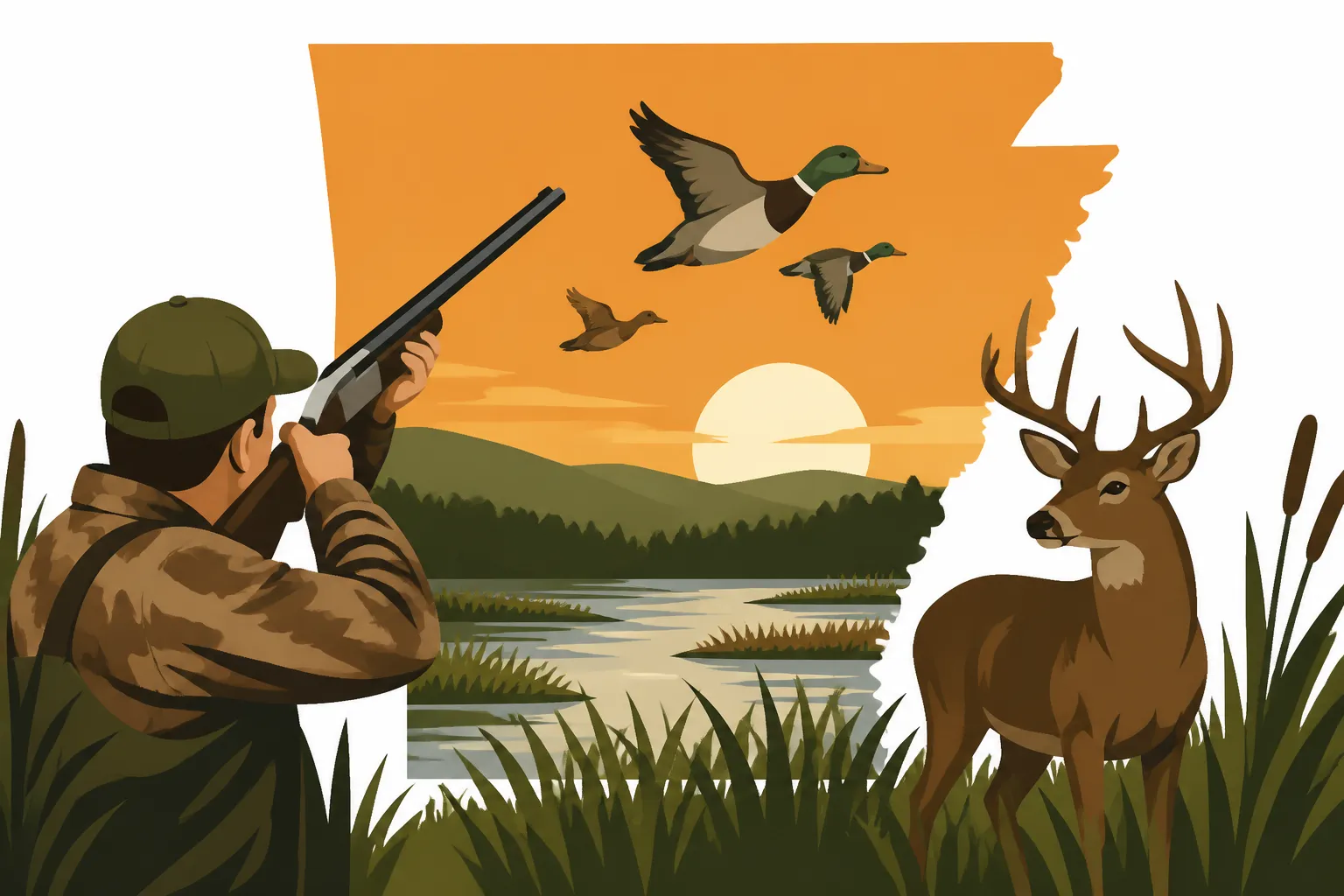
Arkansas National Wildlife Refuges
Hunting on Arkansas's National Wildlife Refuges can feel like stepping into a labyrinth of special regulations and permits, a far cry from the more straightforward rules you might encounter on other public lands. It's easy to get frustrated trying to decipher which refuge allows what, and how to even begin planning a trip when everything seems to have its own unique set of hoops to jump through. This comprehensive guide will cut through the confusion, helping you understand the ins and outs of hunting these vital conservation areas, from navigating their specific rules to finding the best opportunities for deer, ducks, and more.
Understanding Arkansas's National Wildlife Refuges and Their Role
When you hear "National Wildlife Refuge," it's natural to think of pristine habitats dedicated solely to wildlife viewing and protection. And while that's certainly a core mission, many of Arkansas's refuges offer fantastic public hunting opportunities, providing critical access for sportsmen and women. These lands are managed by the U.S. Fish and Wildlife Service, and their primary goal is wildlife conservation, often with an emphasis on migratory birds and endangered species. This focus directly impacts how hunting seasons are structured and what rules are in place.
The Purpose of National Wildlife Refuges
National Wildlife Refuges (NWRs) were established to conserve, manage, and, where appropriate, restore fish, wildlife, and plant resources and their habitats for the benefit of present and future generations of Americans. Unlike National Forests, which operate under a "multiple-use" mandate that includes timber production and recreation alongside conservation, NWRs prioritize wildlife. Hunting, fishing, wildlife observation, photography, and environmental education are considered "priority public uses" as long as they are compatible with the refuge's primary conservation objectives. This means that hunting regulations on NWRs can be more restrictive or require special permits compared to state-managed lands. They often serve as crucial wintering grounds for waterfowl or significant breeding areas for deer, leading to management decisions that balance hunter opportunity with wildlife population health.
How NWRs Differ from Other Public Lands
Navigating Arkansas's public hunting landscape means understanding the nuances between different land managers. While the Arkansas Game and Fish Commission (AGFC) manages Wildlife Management Areas (WMAs) with statewide regulations supplemented by WMA-specific rules, and the U.S. Forest Service oversees hunting in the Ozark and Ouachita National Forests, NWRs operate under federal guidelines. This often means distinct permit systems, different season dates, and sometimes even unique weapon restrictions that might not apply elsewhere. For instance, an NWR might have a specific draw hunt for deer that runs on dates different from the statewide season, or it might require non-toxic shot for all hunting, not just waterfowl. It's a layer of complexity that can initially deter hunters, but the rewards of untouched habitat and quality hunting can be well worth the extra homework.
Key National Wildlife Refuges for Hunting in Arkansas
Arkansas is home to several outstanding National Wildlife Refuges, each offering unique hunting experiences. Understanding their primary focus and typical game species can help you narrow down your choices and prepare for a successful trip.
Dale Bumpers White River National Wildlife Refuge
The Dale Bumpers White River National Wildlife Refuge, stretching over 160,000 acres along 90 miles of the White River in eastern Arkansas, is truly a crown jewel for public land hunting, especially for waterfowl. This refuge is famous for its vast bottomland hardwood forests, which periodically flood, creating prime habitat for wintering ducks. It's a critical stop along the Mississippi Flyway, drawing in immense numbers of mallards, wood ducks, and other species. Deer hunting here is also exceptional, with mature bucks frequently taken from the dense timber.
Access can be challenging, often requiring a boat, especially during periods of high water. There are designated boat launches and interior roads, but water levels dictate much of the accessibility. For waterfowl, specific hunting units are open, and hunters often wade or use small boats to access flooded timber holes. Deer hunting involves navigating these same dense woods, often requiring good map reading skills and physical stamina. While the refuge is legendary, it's also heavily hunted, particularly for ducks. Hunters need to be prepared for competition and to scout extensively to find those less-pressured spots. Remember to check the refuge's specific regulations, as they often have unique permit requirements and even specific shooting hour restrictions for waterfowl that can differ from statewide rules. White River Refuge Duck Hunting is a whole different ballgame compared to many other spots.
Cache River National Wildlife Refuge
Further to the north and west, running alongside the Cache River, is the Cache River National Wildlife Refuge. This refuge is another critical bottomland hardwood ecosystem, renowned for its immense importance to migratory waterfowl and its pristine, undeveloped character. It's a place where you can truly feel immersed in wilderness. Hunting opportunities here are similar to the White River NWR, with excellent prospects for ducks and deer, along with some small game like squirrels.
The Cache River Refuge is often less accessible than some other areas, with limited road access and much of its interior being a designated wilderness area. This translates to a more remote, backcountry hunting experience, which can be both a blessing and a curse. While it means fewer crowds in some areas, it also demands more self-sufficiency and preparation from the hunter. You'll likely be walking a good distance or using a canoe or kayak to reach prime spots. Water levels on the Cache River are crucial here, impacting both duck numbers and accessibility. Always consult the refuge's specific hunting regulations well in advance, as permit requirements, check-in procedures, and legal weapons can vary. For deer hunters, understanding Where Delta Bucks Bed in Standing Water can be key to success in these unique environments.
Felsenthal National Wildlife Refuge
Down in the southeastern corner of Arkansas, the Felsenthal National Wildlife Refuge encompasses a massive 65,000-acre bottomland hardwood forest, home to the largest contiguous tract of wetlands in the state. This refuge is particularly known for its extensive system of lakes and sloughs created by the Ouachita River and its tributaries. It's a fantastic spot for both waterfowl and deer, but it also supports a healthy population of black bears, making it one of the few places in Arkansas where you might encounter one while deer hunting.
Felsenthal's habitat is diverse, ranging from flooded timber to cypress-tupelo swamps and upland pine ridges. This variety means diverse hunting opportunities. Duck hunting here can be fantastic, especially in the flooded timber and open water areas. Deer hunting often takes place on the higher ground and along the edges of the numerous waterways. Access is primarily by boat, with numerous boat ramps providing entry to the refuge's vast network of water. Hunters should be prepared for navigation challenges, as the refuge can feel like a maze of interconnected sloughs and lakes. The refuge has very specific rules regarding motor size, hunting zones, and permit requirements, so always review the most current information. Felsenthal Refuge Hunting Rules are quite detailed, so a thorough review is essential.
Holla Bend National Wildlife Refuge
Located along a bend in the Arkansas River near Russellville, Holla Bend National Wildlife Refuge offers a different kind of NWR hunting experience. This refuge, while smaller than the behemoths of the Delta, is a highly managed wetland and agricultural area, primarily focused on providing wintering habitat for ducks and geese. It's less about vast, untamed wilderness and more about intensively managed fields and water units.
Due to its smaller size and intensive management, Holla Bend often operates on a strict quota system for hunting. Deer hunting here is typically by limited draw hunts, which can be highly sought after. Waterfowl hunting is also often managed through draw hunts or specific blind allocations, offering a controlled yet high-quality experience. If you are lucky enough to draw a permit, you'll be hunting in prime habitat often surrounded by large concentrations of birds. The key here is applying for those draws and understanding the specific requirements for each hunt. Don't expect to just show up with a license; careful planning and successful draw applications are paramount. It's a unique opportunity to hunt intensively managed grounds for a specific period.
Big Lake National Wildlife Refuge
Up in the very northeast corner of Arkansas, near Manila, lies Big Lake National Wildlife Refuge. This refuge is unique in Arkansas as it's centered around a large, shallow natural lake—Big Lake—along with cypress-tupelo swamp and bottomland hardwoods. Historically, it's been a critical waterfowl refuge, providing a haven for ducks and geese along the Mississippi Flyway.
Hunting opportunities at Big Lake are primarily focused on waterfowl, with limited deer and small game hunting. The challenges here often involve water access, as much of the hunting occurs on or around the lake and its associated wetlands. Hunters typically use boats to navigate the waters and access blinds or open water spots. Like other NWRs, Big Lake has very specific regulations regarding access points, hunting zones, weapon restrictions (often non-toxic shot only for all hunting, not just waterfowl), and permit requirements. Due to its unique ecosystem and critical role for waterfowl, management here is often conservative, focusing on providing quality habitat with compatible public use. Big Lake Refuge Hunting Rules will detail everything you need to know for this unique destination.
Navigating NWR Specific Regulations and Permits
The biggest hurdle for many hunters looking to explore National Wildlife Refuges in Arkansas is the specific and often complex layer of regulations. These aren't your typical statewide rules; each refuge has its own set of dos and don'ts, often requiring special permits or adherence to unique seasonal frameworks. Ignoring these details isn't just a mistake; it can lead to hefty fines and loss of hunting privileges.
Understanding Refuge-Specific Permits
Almost every National Wildlife Refuge in Arkansas that allows hunting will require a refuge-specific permit, often in addition to your regular state hunting license and federal duck stamp. These permits serve several purposes: they help the refuge manage hunter numbers, collect data on harvest, and ensure hunters are aware of the unique rules for that specific area.
These permits can vary widely. Some refuges might offer an annual general use permit that covers all allowed activities, while others might have separate, fee-based permits for deer, waterfowl, or small game. Many also operate on a lottery or draw system for specific hunts, especially for deer or prime waterfowl blinds, similar to Arkansas WMA Duck Hunt Draws. You might need to apply months in advance, and drawing a tag can be highly competitive. Always check the individual refuge's website or contact their office directly for the most current information on permit requirements, application deadlines, and associated costs. Don't assume that because you have a state license, you're good to go; that refuge permit is almost always a non-negotiable step.
Key Regulatory Differences to Watch Out For
Beyond permits, NWRs often have specific regulations that diverge significantly from statewide norms. Here are some of the most common areas where you'll find differences:
- Season Dates: NWR seasons are often shorter or have different opening and closing dates than statewide or even WMA seasons. They are tailored to the refuge's specific wildlife management objectives.
- Weapon Restrictions: Many NWRs require non-toxic shot for all hunting, not just waterfowl, to prevent lead contamination. There might also be restrictions on specific firearm types, archery equipment, or even broadhead types for deer.
- Bag Limits: While generally adhering to state bag limits, some refuges might implement more conservative limits for certain species to manage local populations more closely.
- Access Rules: Vehicle access might be restricted to specific roads, or certain areas might be walk-in or boat-only. Some refuges even have specific entry and exit times.
- Check-in/Check-out Procedures: Many NWRs require hunters to check in before entering the field and check out upon leaving, reporting their harvest. This is crucial for data collection and ensuring all hunters are accounted for.
- Baiting/Feeding: Baiting and feeding wildlife are almost universally prohibited on NWRs, even if state regulations allow it in certain zones. This is to maintain natural wildlife behavior and prevent the spread of disease.
- Blinds and Stands: Rules for erecting or leaving stands and blinds can be very strict, often requiring them to be removed daily or only allowing specific types of portable blinds. Trail cameras might also be prohibited or subject to strict rules.
It’s easy to get overwhelmed, but taking the time to review the specific regulations for the refuge you plan to hunt is paramount. A quick call to the refuge office can clarify any ambiguities and save you a lot of headache in the field.
Planning Your Hunt on an Arkansas NWR
Hunting on an NWR requires a bit more planning and forethought than simply showing up on opening day. From pre-season scouting to understanding the unique access challenges, a well-executed plan is essential for success.
Pre-Season Scouting and Intelligence Gathering
Scouting is always important, but it's absolutely critical on NWRs. Because these areas often have unique rules, limited access, and potentially high pressure, knowing your chosen area intimately can make all the difference. Start by reviewing detailed maps. I always recommend using a tool like onX Hunt, which clearly delineates public land boundaries, often shows refuge-specific zones, and allows you to mark potential hunting spots, access points, and escape routes. This is invaluable when deciphering which sections are open to hunting and which are restricted.
Look for areas with good cover, water sources, and food. For deer, focus on transition areas, natural funnels, and dense bedding cover. For ducks, identify flooded timber, sloughs, and managed water units that hold birds. Pay attention to water levels, as they are a major factor in most Arkansas NWRs, especially in the Delta. Ground-truthing your map research by walking or boating the area before the season opens is ideal. Look for game trails, scat, rubs, scrapes, and feeding sign. Note potential obstacles like downed trees or deep water. This pre-season intel will not only boost your confidence but also help you develop a solid plan for your hunt. Scouting Arkansas Public Land Before Season is a great start, but NWRs have an extra layer of complexity.
Accessing Remote Areas and Navigating Water
Many of Arkansas's NWRs are characterized by vast wetlands, dense bottomland hardwoods, and an intricate network of rivers, sloughs, and oxbows. This means that access can often be primarily by boat, and even in areas with roads, you might find yourself needing to wade considerable distances.
For boat access, ensure your vessel is suitable for the conditions. Shallow-draft boats, canoes, or kayaks are often necessary for navigating flooded timber or shallow sloughs. Always have appropriate safety gear, including life jackets, and let someone know your float plan. Water levels are constantly changing, especially on refuges along major river systems, so what was dry ground last week might be chest-deep water today. Using a mapping app like onX Hunt on your phone or a dedicated GPS unit can prevent you from getting disoriented in the dense woods or winding waterways. Mark your entry and exit points, and be mindful of your surroundings. For walk-in areas, waterproof boots or waders are often a necessity, and a sturdy pack to carry your gear and game out is essential. Remember, these remote areas offer incredible experiences, but they demand respect for the environment and proper preparation.
Timing Your Hunt for Optimal Success
Timing is everything, especially when hunting migratory birds or when pressure is a factor. For waterfowl, understanding the Duck Migration Timing Into Arkansas and the weather patterns further north can give you an edge. Cold fronts pushing new birds down the Mississippi Flyway often lead to surges in duck numbers on the refuges. The season splits in Arkansas can also create opportunities, as ducks get a break from pressure during closed periods, often leading to more settled birds when the season reopens.
For deer, timing your hunt around the rut can significantly increase your chances, though on NWRs, pressure from other hunters also needs to be considered. Hunting during the week when crowds are lighter can often be more productive than battling the masses on opening day or weekends. Early morning and late evening are almost always prime times, but don't discount midday hunting, especially in dense cover or during the rut when bucks are actively cruising. Finally, always be aware of the specific refuge's season dates. Some NWRs might open later or close earlier than general state seasons, so synchronizing your scouting and hunting efforts with those specific dates is crucial.
Common Game Species and Hunting Opportunities
Arkansas's National Wildlife Refuges are ecological hotspots, offering diverse habitats that support a wide array of game species. While waterfowl often take center stage, there are significant opportunities for deer, small game, and even predators.
Waterfowl Hunting: The Jewel of Arkansas NWRs
For many, National Wildlife Refuges in Arkansas are synonymous with duck hunting. The state's position on the Mississippi Flyway, combined with the vast bottomland hardwood forests and managed wetlands found on refuges like Dale Bumpers White River and Cache River, creates unparalleled opportunities. These areas become wintering grounds for millions of ducks, particularly mallards, wood ducks, and pintails.
Hunting methods often involve setting up in flooded timber, using waders to position decoys in natural openings or "holes" within the trees. Calling is crucial, mimicking the chatter of mallards coming in to feed. Some refuges also offer open water hunting in larger sloughs or managed impoundments, where larger decoy spreads might be more effective. Due to the popularity, expect competition and be prepared for early mornings and potentially long walks or boat rides to reach your spot. Understanding the specific refuge's rules on blind placement, decoy limits, and shooting hours is absolutely vital. Many refuges are also prime for Specklebelly Hunting in Arkansas Fields and other geese, particularly in adjacent agricultural areas or on refuge lands specifically managed for geese.
Deer Hunting: Quality Bucks in Diverse Habitats
While ducks might get most of the press, deer hunting on Arkansas's NWRs can be exceptional. Refuges like Dale Bumpers White River, Cache River, and Felsenthal provide vast tracts of relatively undisturbed habitat, allowing deer to reach older age classes and grow impressive antlers. The dense bottomland timber offers excellent cover, making for challenging but rewarding hunts.
Deer hunting on these refuges typically involves still-hunting through thick woods, setting up ground blinds or treestands overlooking natural food sources like acorn flats, or along travel corridors between bedding and feeding areas. Pressure can be a factor, especially on opening weekends, so finding remote pockets that other hunters overlook is often key. Using mapping tools to identify high ground during floods, natural funnels, and areas with limited human access can be a game-changer. Given the often-remote nature of these hunts, be prepared for a difficult extraction if you're successful. The challenge of a big-woods buck in an NWR is a draw for many experienced hunters looking for a true wilderness experience.
Small Game and Other Hunting Opportunities
Beyond the marquee species, Arkansas's NWRs also offer various small game opportunities, providing a change of pace or a chance to introduce new hunters to the field. Squirrel hunting is popular in the bottomland hardwood forests, with good populations of both gray and fox squirrels in areas like the White River and Cache River NWRs. Look for mature oak and hickory trees, especially during acorn season. Rabbit hunting can also be productive in brushy areas and along field edges.
Some refuges also allow hunting for predators and furbearers like coyotes and bobcats, often under specific regulations and during designated seasons. It's important to remember that all hunting on an NWR, regardless of species, falls under the refuge's specific regulations. Always check the rules for each species you plan to pursue, as season dates, weapon requirements, and bag limits can all differ from statewide general seasons. For instance, you might find specific requirements for non-toxic shot even for small game or different legal shooting hours.
Challenges and Rewards of NWR Hunting
Hunting on a National Wildlife Refuge in Arkansas isn't always easy. It presents unique challenges that can test a hunter's patience and skill. However, for those willing to put in the effort, the rewards can be truly unforgettable.
Overcoming High Pressure and Competition
Let's be realistic: some of the best NWRs are also some of the most popular public hunting spots in Arkansas, especially for ducks. This means you're going to encounter other hunters, particularly on weekends and during prime migration periods. The competition for prime spots can be intense, leading to frustrations with crowded boat ramps, calling over other hunters, and feeling like you're always a step behind.
To overcome this, extensive scouting becomes even more critical. Look for areas that are difficult to access, requiring longer walks or more challenging boat rides. These less-pressured pockets often hold more undisturbed game. Timing your hunts for weekdays, when many people are at work, can also significantly reduce competition. Being respectful of other hunters, giving them space, and practicing ethical hunting behavior goes a long way. Remember, everyone is out there for a good experience. Sometimes, the reward isn't just a full strap of ducks or a trophy buck, but finding a quiet corner of a vast refuge where you can truly connect with the wild.
Dealing with Remote and Challenging Terrain
The very nature of many Arkansas NWRs—vast bottomlands, dense forests, and expansive wetlands—makes them remote and challenging. Navigating flooded timber, wading through deep sloughs, or trekking miles into the backcountry with all your gear can be physically demanding. Getting a deer or a limit of ducks out of these areas can be an arduous task, especially if you're alone.
Preparation is key here. Invest in good quality gear: reliable waders, waterproof bags, a sturdy backpack, and a well-maintained boat if water access is required. Physical conditioning before the season will also serve you well. Always carry a first-aid kit, extra water, and emergency signaling devices. Let someone know where you're going and when you expect to return. Embrace the challenge; these aren't manicured farm fields. The reward for pushing through the remote terrain is often an experience in truly wild Arkansas, with game that hasn't been constantly disturbed by human activity. It's the kind of hunting that builds character and creates lasting memories.
Experiencing Unique Wilderness and Wildlife Encounters
Despite the challenges, hunting on an NWR offers an unparalleled opportunity to immerse yourself in Arkansas's unique wilderness. These refuges are managed for wildlife, and you'll often encounter a greater diversity and abundance of animals than on less-managed lands. Beyond the game you're pursuing, you might see bald eagles soaring overhead, river otters playing in a slough, or even an elusive black bear emerging from a dense thicket.
The sheer scale of these areas, particularly the large bottomland refuges, provides a sense of wildness that is increasingly rare. There's a profound satisfaction in successfully navigating complex terrain and outsmarting game in truly wild settings. These are places where you can witness the majesty of the Mississippi Flyway firsthand, with thousands of ducks taking flight at dawn, or feel the ancient silence of a cypress-tupelo swamp. The memories forged on an NWR hunt often transcend the harvest itself, becoming stories of adventure, resilience, and connection to the untamed heart of Arkansas.
Tools and Resources for NWR Hunting Success
Hunting on National Wildlife Refuges requires a good dose of preparation, and thankfully, modern tools and resources can make the task much easier. Leveraging these can significantly improve your chances of success and help you stay compliant with regulations.
Utilizing Mapping Applications
In today's hunting world, a reliable mapping application is not just a luxury; it's a necessity, especially on complex public lands like NWRs. Services like onX Hunt provide invaluable layers that show public land ownership, refuge boundaries, specific hunting zones within refuges, and even historical satellite imagery that can reveal hidden features or changes in habitat. This level of detail is crucial for understanding where you can legally hunt, identifying access points, and scouting potential game locations from your couch.
Using these apps, you can drop pins for potential stand locations, mark game sign during scouting trips, plot out travel routes, and even monitor your progress in real-time as you navigate dense timber or winding waterways. Many apps also work offline, which is critical in remote areas where cell service is non-existent. Before heading out, download the relevant maps for your chosen refuge. This digital scouting, combined with your physical boots-on-the-ground efforts, will give you a significant advantage in deciphering the often-intricate landscape of an NWR. You can see onX Layers for Arkansas Land Status and how they might apply to your hunting area.
Official Refuge Websites and Publications
The most authoritative source for NWR-specific regulations, season dates, and permit information will always be the official refuge website, usually found on the U.S. Fish and Wildlife Service (FWS) site. Each refuge maintains a dedicated page with detailed brochures, maps, and current news or closures. These resources are often updated frequently, so it's crucial to check them just before your hunt.
Don't just skim the headlines; dig into the full hunting regulations document. These often contain critical details about legal weapons, check-in/check-out procedures, non-toxic shot requirements, and any special draw hunt information. Printing out a copy of the regulations and a detailed map to carry with you in the field is a good practice, especially where cell service is unreliable. Look for contact information for the refuge office; a quick phone call can often clarify confusing regulations or provide insight into current conditions. While other platforms like GoHunt provide broader hunting resources, for specific NWR rules, always go directly to the source.
Communication and Safety Gear
Given the often-remote and challenging nature of NWR hunting, carrying appropriate communication and safety gear is paramount. Beyond your standard hunting essentials, consider a few additions:
- Two-Way Radios: If hunting with a partner, two-way radios can be invaluable for staying in communication, especially in dense timber where cell signals might be spotty.
- Satellite Messenger/PLB: For truly remote areas, a satellite messenger (like a Garmin inReach or Zoleo) or a Personal Locator Beacon (PLB) can be a lifesaver. These devices allow you to send emergency messages even without cell service, providing peace of mind.
- Whistle: A simple whistle can be used to signal for help or to communicate over long distances.
- First-Aid Kit: A comprehensive first-aid kit is non-negotiable for any hunting trip, but especially in areas where medical help is not readily accessible.
- Headlamp/Flashlight: Even if you plan to be out of the woods before dark, a reliable light source with extra batteries is essential for unexpected delays or tracking a deer after sunset.
- Survival Kit: A small kit containing fire starters, a multi-tool, cordage, and emergency food can be critical if you become disoriented or stranded.
Being prepared for the unexpected is a hallmark of a responsible hunter. The wilderness of Arkansas's NWRs offers incredible experiences, but it demands respect and careful planning to ensure a safe and successful trip.
Summary of Major Arkansas NWRs for Hunting
To help you get a clearer picture, here's a quick reference table outlining the primary hunting opportunities and characteristics of some key National Wildlife Refuges in Arkansas. Remember, this is a general overview, and specific regulations can change, so always check the refuge's official website before your trip.
| Refuge Name | Primary Game Species | Habitat Focus | Key Access Method | General Challenge/Note |
|---|---|---|---|---|
| Dale Bumpers White River NWR | Waterfowl, Deer, Small Game | Bottomland Hardwoods, Flooded Timber | Boat, Some Roads, Wading | High pressure, complex water access, specific permits |
| Cache River NWR | Waterfowl, Deer, Small Game | Bottomland Hardwoods, Cypress Swamp | Boat (canoe/kayak), Walk-in, Limited Roads | Remote, wilderness feel, specific permits |
| Felsenthal NWR | Waterfowl, Deer, Bear, Small Game | Bottomland Hardwoods, Lakes, Sloughs | Primarily Boat Access | Large, complex water system, specific rules for bears |
| Holla Bend NWR | Waterfowl, Deer (Draw) | Managed Wetlands, Agricultural Fields | Limited Road Access, Walk-in | Strictly managed, draw hunts, high competition |
| Big Lake NWR | Waterfowl, Deer (Limited), Small Game | Shallow Lake, Cypress Swamp, Timber | Primarily Boat Access | Focus on waterfowl, specific non-toxic shot rules |
Disclaimer
This article is for general informational purposes only and does not constitute professional advice. Laws, prices and regulations vary by location and change over time. Consult a qualified professional for guidance on your specific situation.