Hunting the Arkansas Ozarks
Hunting the Arkansas Ozarks can feel like stepping back in time, a rugged and often unforgiving landscape that tests even the most seasoned hunter. The steep inclines, dense hardwood forests, and rocky terrain can be intimidating, leading many to stick to easier-to-access flatlands. But for those willing to embrace the challenge, the Ozarks hold incredible potential for deer, turkey, and even black bear. This guide will help you decipher the complexities of hunting this beautiful but demanding region, giving you the insights you need to confidently pursue game and create unforgettable hunting memories in the Arkansas mountains.
Understanding the Ozark Landscape
The Arkansas Ozarks are a truly unique place, a sharp contrast to the flat, fertile delta lands to the east. When you first arrive, you might be struck by the sheer scale of the hills and hollows, an endless sea of trees stretching to the horizon. This isn't your typical farm country hunting; it's a wilder, more remote experience that demands a different kind of preparation and mindset.
Topography and Forest Types
The Ozarks are characterized by deeply dissected plateaus, which means you'll encounter a constant succession of steep ridges, narrow valleys (often called "hollows" by locals), and dramatic bluffs. Elevation changes are significant, and what looks like a short walk on a map can quickly become a lung-busting climb. The forests here are predominantly hardwood, a mix of various oak species like white oak and red oak, hickories, and often some scattered shortleaf pine, especially on south-facing slopes. These diverse hardwoods are critical, as they provide the primary food sources for much of the game, particularly during the mast crop seasons. Understanding the distribution of these tree species is key to finding feeding areas. You might find a big block of white oaks on a bench where deer are hammering acorns in early fall, or a stand of red oaks holding onto their mast later into the season.
Walking through these forests, you'll notice the ground itself is often rocky, sometimes covered in a thick layer of leaf litter, and occasionally punctuated by exposed rock outcroppings. This makes for noisy travel if you're not careful, and it also means that tracking can be a challenge. When you're Tracking a Deer in Ozark Rock, you really have to slow down and pick apart every tiny sign. The density of the understory can vary wildly, from open, park-like mature timber to thickets of briars and young saplings where clearcuts or logging have taken place. These diverse habitats create a patchwork quilt of cover and feeding opportunities that animals utilize throughout the year.
Water Sources and Creek Beds
Water is a lifeblood for all wildlife, and in the Ozarks, it often dictates where animals travel and congregate. You'll find numerous clear, cold creeks and small rivers carving their way through the hollows, often forming the backbone of major drainages. These creek beds aren't just water sources; they act as natural travel corridors for deer, bear, and turkey, especially in drier periods when other seasonal seeps might have dried up. Learning to identify these routes, even when they're dry, is paramount. Often, the steepest terrain gives way to flatter, more accessible routes along these watercourses.
Beyond the main creeks, don't overlook smaller seeps, springs, and even puddles that collect in rock depressions after a rain. These isolated water sources can be magnets for game, particularly in the warmer months or during dry spells in the fall. During a hunt, finding a hidden spring on a hillside bench could be the key to intercepting a buck moving between bedding and feeding areas. Animals are incredibly efficient at finding water, and if you can think like they do, you'll be one step closer to success. Always carry enough water for yourself, too, because these climbs can dehydrate you quickly, and you don't want to rely on finding a safe drink out there.
Seasonal Changes and Their Impact
The Ozarks experience four distinct seasons, each bringing its own set of challenges and opportunities for hunters. Fall is, of course, prime hunting season. The vibrant reds, oranges, and yellows of the hardwood leaves create a stunning backdrop, but also make visibility tricky in some areas. As the leaves drop, however, visibility improves dramatically, allowing you to see further into the timber. The crisp air of late fall and early winter is invigorating, but it also means understanding how animals will shift their patterns to find food and shelter from colder temperatures.
Spring brings turkey season, and the awakening forest is a different beast entirely. The bare branches of winter begin to bud, and the forest floor becomes a canvas of wildflowers. While beautiful, the new foliage can quickly obscure sightlines, making it harder to spot a distant gobbler. Summer, though not a hunting season for most big game, is crucial for scouting. The lush green canopy hides much, but it's the perfect time to identify trails, find rubs and scrapes from the previous year, and locate those secluded water sources. Being able to adapt your strategy to these seasonal shifts, from Hunting Ozark Ridges and Hollows for Deer in the fall to calling in a bird during Calling Arkansas Gobblers in the Ozarks, is what separates consistently successful hunters from those who struggle.
Key Game Species and Their Habits
The Ozarks are rich with wildlife, offering hunters a diverse range of opportunities. However, each species has adapted to this challenging terrain in its own way, requiring specific approaches and a deep understanding of their localized habits. Forget what you know about flatland game – these animals move differently, feed differently, and seek cover in ways unique to the hills.
Deer Hunting in the Ozarks
Deer hunting in the Ozarks is often a test of patience and endurance. While the overall deer density might not match some of the delta or farm country regions, the Ozarks are known for producing some truly exceptional bucks, especially those that have lived long, secluded lives in the steep, rugged country. These deer are often pressured, highly wary, and masters of using the terrain to their advantage. They'll often bed on benches just below a ridge top, giving them a commanding view of the hollows below and allowing thermals to carry their scent away from potential danger.
Their travel patterns are frequently dictated by the ridges and hollows. Rather than crossing open fields, they'll often stick to benches, saddles, and creek beds that offer cover and easier travel. Finding natural funnels, such as narrow saddles connecting two ridges or pinch points where multiple hollows converge, can be incredibly productive. Food sources are also paramount; white oaks, red oaks, and persimmons are prime targets. During the rut, bucks will expand their range, cruising these same travel corridors, looking for does. Learning Wind and Thermals in Ouachita Hollows is crucial here, as swirling winds can betray your position instantly.
Turkey Tactics in Hilly Terrain
Spring turkey hunting in the Ozarks is an exhilarating experience, but it’s far from easy. The challenging topography means that a gobbler roosting across a hollow can sound incredibly close, only for you to realize a steep, briar-choked ravine separates you from him. Turkeys here are often widely dispersed, and you'll put in a lot of legwork to find them. Unlike flatland turkeys that might strut in open fields, Ozark gobblers prefer the timber, using logging roads, ridge tops, and benches for strutting and displaying.
Scouting before the season is absolutely critical. Locating roost sites in tall pines or hardwoods overlooking hollows will give you a significant advantage. When a gobbler sounds off on the roost, your approach needs to be calculated. Getting above him or on the same bench without being seen or heard is key. Decoy placement also matters; sometimes, placing a single hen decoy where it's visible from a strutting lane on a bench is all you need. Be prepared for birds to hang up across a hollow, or to circle completely around you on a ridge. Patience and strategic repositioning are often more effective than aggressive calling. Turkey Tactics in Arkansas Pine Plantations will differ from those in the mature hardwoods, so adapt your approach based on the specific forest type you're in.
Black Bears of the Ozarks
Yes, the Ozarks are home to a healthy population of black bears, and they offer a unique big game hunting opportunity. Arkansas has done a fantastic job of restoring its bear population, particularly in the Ozark and Ouachita National Forests. Bears in this region are primarily driven by food sources, much like deer and turkeys. Acorns, soft mast like persimmons and wild grapes, and insects are all on their menu. They'll travel significant distances to find abundant food, especially in the fall as they fatten up for winter denning.
Hunting bear in the Ozarks often involves finding those prime food sources. Areas with heavy mast production, especially large stands of white oaks, will attract bears. They'll leave obvious signs, like scat, overturned rocks, and claw marks on trees. Bear hunting seasons are often managed with quotas, so it's vital to stay informed about How a Bear Zone Closes Mid-Season. For some, bear hunting over bait is a popular and effective method, though it comes with specific regulations. Others prefer spot-and-stalk or still-hunting, glassing clearcuts or following game trails in areas known for bear activity. Regardless of the method, being bear aware is important – know how to handle encounters and how to secure your camp and food if you're camping in bear country.
Accessing Public Lands in the Ozarks
One of the greatest advantages of hunting in the Arkansas Ozarks is the vast amount of public land available. Unlike many other states where private land dominates, a significant portion of the Ozarks is managed by state and federal agencies, providing incredible opportunities for those willing to explore. However, "public land" doesn't always mean easy access or straightforward hunting. It often requires diligent scouting and smart navigation.
Ozark National Forest Hunting
The Ozark National Forest covers a massive area across northern Arkansas, offering hundreds of thousands of acres for public hunting. This is truly the crown jewel for many Ozark hunters. The sheer scale means you can often find solitude, particularly if you're willing to hike away from easy road access points. Vehicle access is generally good, with numerous forest roads crisscrossing the landscape, but many of these are gravel or dirt and can become impassable in wet weather. Always check current conditions and have a good map (or a mapping app like onX Hunt) before heading deep into the forest.
When planning to hunt the Ozark National Forest, think about the different zones and habitats within it. You'll find areas of mature timber, recent clearcuts, and regenerating forests, all offering different types of cover and food. Understanding these patterns, often visible on satellite imagery, can help you narrow down your search. Some areas, like the Upper Buffalo Wilderness Area, have specific rules regarding mechanized travel and permanent stands, so always read the current regulations carefully. Don't be afraid to Scouting Arkansas Public Land Before Season by looking at topographical maps and aerial photos to identify remote ridges and hollows that might hold unpressured game.
Specific Ozark WMAs and Their Offerings
In addition to the vast National Forest, the Arkansas Game and Fish Commission (AGFC) manages several Wildlife Management Areas (WMAs) within the Ozark region. These WMAs are often managed intensively for wildlife and can offer excellent hunting opportunities, though they might see higher pressure, especially during opening weekends. White Rock WMA, for example, is nestled within the Ozark National Forest, providing diverse terrain from high bluffs to deep river valleys. Sylamore WMA and Gene Rush WMA are other notable areas, with Gene Rush being particularly known for its elk habitat, though elk hunting requires a special drawn permit.
Each WMA will have its own specific regulations, which can differ from general statewide or National Forest rules. These might include special permit requirements for certain hunts, restrictions on vehicle access, or rules about stand placement and baiting. Before you ever set foot on a WMA, make sure you've consulted the current AGFC regulations for that specific area. Often, the AGFC website has detailed maps and rule summaries for each WMA, which are invaluable resources. Knowing these rules beforehand can save you a lot of headache and potential violations.
Overcoming Access Challenges
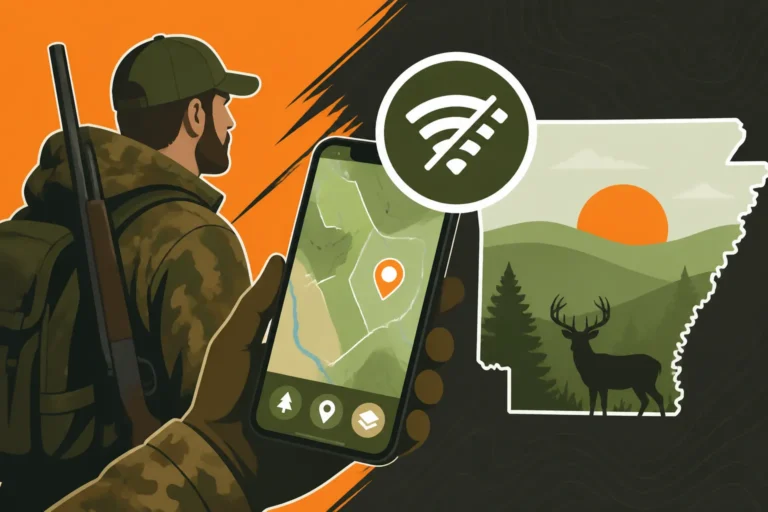
Access in the Ozarks can be tricky. While there's a lot of public land, getting to the prime hunting spots often means a significant hike, sometimes through extremely rugged and steep terrain. This is where modern navigation tools really shine. A GPS unit or a reliable hunting app like onX Hunt on your phone is an absolute must. These tools allow you to pinpoint your exact location, track your path, and avoid trespassing onto private land that might border public tracts. Many public land boundaries are not clearly marked on the ground, so having this technology is essential for staying legal and confident.
Beyond navigation, physical conditioning is a major access challenge. The continuous ups and downs will test your stamina. Don't underestimate the effort required to hike several miles into a remote hollow, then drag a deer back out. Planning your entry and exit routes carefully, considering the terrain and potential game recovery, is part of successful Ozark hunting. Often, the best hunting is found in those areas that most hunters are unwilling or unable to reach. If you can put in the extra effort, the rewards can be significant. Sometimes, even getting a deer out of an Ozark hollow requires teamwork or a specialized cart, so factor that into your planning.
Essential Gear and Preparations for Ozark Hunts
Hunting the Ozarks isn't just about knowing where the animals are; it's about being prepared for the environment itself. The terrain, the weather, and the sheer remoteness demand specific gear and a disciplined approach to preparation. Skimping on essentials here can turn a memorable hunt into a miserable, or even dangerous, experience.
Footwear and Layering for Uneven Terrain
Your feet are your most important tools in the Ozarks, and poor footwear can quickly ruin a hunt. You need boots that offer excellent ankle support for navigating rocky, uneven ground, and waterproof construction for crossing small creeks or hiking through dew-soaked undergrowth. Look for sturdy hiking boots or specialized hunting boots with aggressive treads that provide grip on slippery slopes and leaf litter. Don't forget to break them in well before your hunt to avoid blisters. Many hunters overlook the importance of good socks – merino wool socks wick moisture, prevent blisters, and regulate temperature far better than cotton.
Layering your clothing is equally critical due to the unpredictable Ozark weather and the physical exertion involved. You'll likely be shedding layers on steep climbs and adding them back on when you stop to glass or sit still on a stand. Start with a moisture-wicking base layer, add insulating layers (fleece or down work well), and top it off with a waterproof and windproof outer shell. Having options allows you to adapt to changing conditions, from a frosty morning to a warm afternoon sun, and helps prevent overheating and chilling, both of which can compromise your hunt.
Navigation and Communication Tools
In the sprawling Ozark National Forest or even a large WMA, getting disoriented is a real possibility, especially when you're focused on game. A reliable GPS device or a high-quality mapping app like onX Hunt on your smartphone is non-negotiable. These tools allow you to mark waypoints for your vehicle, stand locations, and any game sign you find. Download maps for offline use before you leave home, as cell service is often nonexistent in many remote Ozark hollows. GoHunt also offers robust mapping and planning tools that are fantastic for Western hunts, and many of their features translate well to large public land tracts everywhere, including the scouting and land ownership layers.
Beyond GPS, always carry a physical compass and a paper map of the area, and know how to use them. Electronics can fail due to battery drain, impact, or water damage. A whistle for emergencies, a headlamp with spare batteries, and a small first-aid kit are also vital. For communication in areas without cell service, consider a satellite messenger or a two-way radio if you're hunting with a partner. These devices can literally be lifesavers if you or a member of your party gets injured or lost.
Scouting and Trail Camera Strategies
Effective scouting is the backbone of successful Ozark hunting. Given the vastness of the public lands, you can't just show up on opening day and expect to find game. Start your scouting long before the season opens, ideally in the spring or summer. Look for historical sign: old rubs, scrape lines, well-worn trails, and natural funnels like saddles or creek crossings. Identify potential bedding areas on lee slopes or thickets, and key feeding areas around oak flats or persimmon patches. Where to Hang a Camera in Big Timber might be different than in a food plot, focusing on pinch points or travel corridors.
Trail cameras can be incredibly useful, but they require a smart strategy in the Ozarks. Don't just hang them randomly. Focus on trails leading to water, mineral licks (if legal in your area), or along natural funnels between bedding and feeding. Consider using long-range cellular cameras if you have service, or check traditional cameras every few weeks to minimize disturbance. Remember, human scent lingers, and over-checking cameras can educate deer. Look for fresh tracks, droppings, and browse lines. The more time you spend on the ground, learning the terrain and how game uses it, the better your chances of success.
Hunting Strategies Tailored for the Ozarks
The unique challenges of the Ozark landscape demand unique hunting strategies. What works in a flat agricultural field simply won't cut it here. Success in the mountains is often about understanding the flow of the land and how animals adapt to it. It requires a blend of patience, physical endurance, and a keen eye for subtle details.
Still-Hunting Ozark Ridges and Hollows
Still-hunting is one of the most effective methods in the Ozarks, especially for deer and bear. This involves moving slowly, taking a few steps, then stopping to scan and listen for several minutes. The goal isn't to cover ground quickly, but to move stealthily and observe. Focus on moving into the wind or with favorable thermals, especially early in the morning when cold air drains into the hollows or in the evening as rising thermals pull your scent uphill. Pay close attention to subtle movements, ear flickers, or glimpses of hide in the dense timber.
When still-hunting, make use of the terrain. Walk along benches, just below ridge lines, or on the downwind side of a prominent ridge. These areas often serve as travel corridors and offer better visibility than plunging straight down into a choked hollow. The rocky ground and crunchy leaves can make silent movement tough, so pick your footfalls carefully, stepping on bare dirt, moss, or fallen logs whenever possible. It's a slow, deliberate process, but it allows you to cover ground while actively hunting, reacting to fresh sign or the sudden appearance of game. This is a skill you'll hone over many years of Still-Hunting Arkansas Pine Country.
Stand Placement in Steep Country
While still-hunting is productive, setting up in a stand can also be highly effective, particularly near key food sources or during the rut. The challenge in the Ozarks is finding the right spot that offers both shot opportunities and concealment, especially in areas with significant elevation changes. Look for natural funnels – saddles between ridges, creek crossings, or areas where thick cover pinches down travel. A good stand location might be on a bench overlooking a promising hollow, allowing you to intercept deer moving between bedding and feeding.
Thermals are incredibly important for stand placement. In the mornings, cold air sinks into the hollows, meaning your scent will drift downhill. As the sun warms the earth, thermals reverse, pulling your scent uphill. Ideally, you want to set up in a location where your scent won't blow directly into a likely travel corridor or bedding area during the prime hunting hours. Sometimes, this means setting up on a mid-slope bench rather than directly on a ridge top or in the bottom of a hollow. Understanding Hanging a Stand in Bottomland Hardwoods from the Delta can give you some clues, but Ozark elevation changes add another layer of complexity.
Hunting the Rut in Mountainous Areas
The rut in the Ozarks can be an incredible time to hunt, but it often plays out differently than in flatter agricultural regions. While bucks are still focused on breeding, their movement patterns are heavily influenced by the rugged terrain. They'll often cruise ridge tops, saddles, and benches, scent-checking for does. You might find active scrape lines along logging roads or prominent trails on benches. When the rut peaks in the Ozarks, usually in early to mid-November, bucks will be more visible during daylight hours. Hunting the Arkansas Rut by Zone can give you an idea of when to expect peak activity.
Calling strategies like rattling and grunting can be particularly effective during this period. The varied terrain and dense cover mean that sounds don't travel as far or as clearly as in open country, so you might need to call more aggressively or strategically to get a response. Positioning yourself with good visibility and clear shooting lanes is crucial. Bucks might approach cautiously, using the topography to stay hidden. Be patient, continue with soft grunts and bleats, and be ready for a buck to appear suddenly on a bench below you or cresting a ridge. For many hunters, this is the most exciting time to be in the Ozark woods.
Navigating Regulations and Safety
Hunting responsibly and safely is paramount, especially in a challenging environment like the Ozarks. Understanding the specific regulations that apply to this region and practicing sound safety habits will ensure you have a successful and ethical hunt. The vastness and remoteness of the Ozarks mean you are often on your own, so preparation is key.
Understanding Arkansas Deer Zones and Limits
Arkansas is divided into various deer zones, and the Ozark region typically falls within Zones 1 and 2, and sometimes parts of 3, 4, or 5, depending on the specific location. Each zone has distinct season dates, bag limits, and often antler restrictions (like the three-point rule). It is absolutely critical that you identify Which Arkansas Zone You Are Hunting and familiarize yourself with those specific rules before you step foot in the woods. These regulations are designed to manage the deer herd sustainably, ensuring healthy populations for future generations.
Always carry your hunting license and appropriate tags, and know how to properly tag a deer immediately after harvest. The AGFC provides detailed annual hunting guides that outline all regulations; these are available online and at license vendors. Don't rely on word-of-mouth for regulations, as they can change annually. When harvesting a deer, know the rules for Arkansas Deer Checking and Tagging, as reporting your harvest correctly is a legal requirement. This data is also vital for wildlife biologists to monitor herd health and make future management decisions.
Hunter Orange and Legal Shooting Hours
Safety is never optional, and wearing hunter orange is a non-negotiable requirement during modern gun deer seasons in Arkansas. The general rule is that hunters must wear at least 400 square inches of hunter orange above the waist, including a visible orange hat. This makes you much more visible to other hunters, especially in the dense woods of the Ozarks where visibility can be limited. Even if you are bowhunting during a gun season, or if others in your party are gun hunting, wearing orange is simply a smart safety practice. Check Arkansas Hunter Orange Requirements for specific dates and exceptions.
Understanding legal shooting hours is another critical safety measure. Generally, hunting is allowed from 30 minutes before sunrise to 30 minutes after sunset. This applies to most game species. Using a reliable app or knowing the sunrise/sunset times for your specific location is essential. Shooting before or after these hours is not only illegal but extremely dangerous, as visibility is low. Always positively identify your target and what lies beyond it before taking a shot, even within legal shooting hours. In the hilly, rugged terrain of the Ozarks, a bullet can travel a long way and easily ricochet.
Dealing with Unique Ozark Challenges
Beyond the standard hunting regulations, the Ozarks present a host of unique challenges that demand specific safety considerations. The remote nature of much of the public land means help can be a long way off. Always inform someone of your hunting plan – where you're going, your expected return time, and who to contact if you don't check in. This "leave a plan" habit is a simple but vital safety protocol. The rocky, uneven ground increases the risk of falls and sprained ankles, so always be mindful of your footing, especially when carrying equipment or a harvested animal.
Weather can also be a major factor. Sudden thunderstorms can make creek crossings dangerous due to flash flooding, and colder temperatures combined with exertion can lead to hypothermia if you're not properly layered and hydrated. Always carry emergency supplies like a fire starter, extra food and water, and a basic survival kit. Finally, be aware of other users of public land. The Ozark National Forest and WMAs are used by hikers, campers, mountain bikers, and other outdoor enthusiasts. Be courteous, respectful, and always prioritize safety for everyone sharing the woods.
| Ozark Game Species | Primary Habitat | Key Food Sources | Best Hunting Method | Challenge Level |
|---|---|---|---|---|
| Whitetail Deer | Hardwood Ridges, Hollows, Benches | Acorns, Persimmons, Browse | Still-hunting, Stands (saddles/benches) | Moderate to High |
| Wild Turkey | Ridge Tops, Creek Bottoms, Timber | Acorns, Insects, Seeds | Calling, Spot & Stalk | High |
| Black Bear | Dense Hardwoods, Thickets, Mast Flats | Acorns, Berries, Insects | Baiting (if legal), Still-hunting | High |
| Squirrel | Mature Oak/Hickory Forests | Acorns, Hickory Nuts | Still-hunting, Spot & Stalk | Low to Moderate |
| Rabbit | Thickets, Brush Piles, Field Edges | Grasses, Shoots | Beagles, Still-hunting | Low to Moderate |
Disclaimer
This article is for general informational purposes only and does not constitute professional advice. Laws, prices and regulations vary by location and change over time. Consult a qualified professional for guidance on your specific situation.