Self-Guided Field Hunts in Arkansas
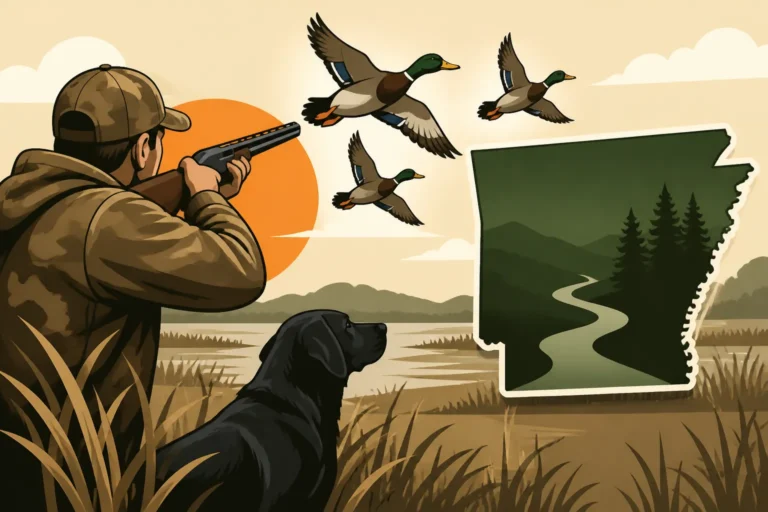
It's incredibly common to feel the pull of Arkansas's rich hunting heritage, especially when you dream of those wide-open fields full of ducks or geese, but the thought of expensive guided trips or exclusive leases can be a real barrier. Many of us yearn for the freedom and challenge of doing it ourselves, of earning that hunt through our own sweat and scouting. This guide is all about empowering you to take on self-guided field hunts in Arkansas, breaking down how to find your spot, what to bring, and the strategies for a successful, independent adventure.
The Unique Appeal of Self-Guided Field Hunts
There’s a special satisfaction that comes from planning your own hunt, hitting the road, and relying solely on your own skills and preparation. Arkansas, with its vast agricultural lands and migratory bird routes, offers incredible opportunities for this kind of independent pursuit, particularly for waterfowl and other field-dwelling game. It’s a completely different experience than slipping into the flooded timber or hiking dense forests.
The Freedom of the Open Field
When you're out in a field, whether it's cut rice, corn stubble, or a fallow soybean field, there's a certain expansiveness that calls to a hunter. You're not confined to a blind someone else built, or to a specific corner of timber. You have the ability to observe, adapt, and move with the birds. This means you’re constantly reading the landscape, adjusting your spread, and working the wind – a true test of your hunting acumen. It’s an immersive experience where every decision, from your entry route to your decoy placement, is yours alone.
This self-reliance builds a deep connection to the hunt. You learn the nuances of how birds approach a spread in open country, the subtle shifts in wind that dictate their flight path, and the importance of perfect concealment in an environment with little natural cover. It’s a fantastic way to develop your skills as a waterfowl hunter, pushing you to understand bird behavior and field conditions on a profound level. You might find yourself on a crisp December morning, watching wave after wave of mallards working your spread, knowing you put every piece of that puzzle together yourself.
Cost Savings and Personal Investment
Let's be honest, guided hunts can be pricey. While they offer convenience and expertise, they often come with a significant financial commitment. For many of us, that's just not feasible year after year. Self-guided field hunts dramatically reduce those costs, putting hunting within reach for more people. You're trading dollars for effort, and for many, that effort is part of the reward.
Instead of paying a guide, you're investing your time in scouting, your gas money in exploration, and your sweat equity in setting up your own spread. This personal investment makes every successful retrieve, every honker brought to hand, feel exponentially more rewarding. It’s your hard-earned dollar staying in your pocket, or perhaps going towards a new call or some much-needed gear. This doesn't mean it's "free," of course; you still have licenses, stamps, gear, and travel expenses, but the core cost of the hunt itself shrinks significantly. You might even use resources like the mapping features on GoHunt to plan your routes and scout potential public land areas more efficiently, saving time and fuel.
Finding Public and Private Access for Field Hunts
The biggest hurdle for any self-guided hunter is finding a place to hunt. Arkansas offers a mix of public and private land opportunities, each with its own set of challenges and rewards. Understanding how to navigate these options is key to a successful self-guided field hunting experience.
Unlocking Public Land Opportunities
Arkansas has some phenomenal public hunting grounds, particularly for waterfowl. However, hunting fields on public land often means dealing with competition and specific regulations. Wildlife Management Areas (WMAs) are often the first place hunters look. Some WMAs have designated agricultural fields that are either flooded or left standing to attract birds, offering prime field hunting opportunities. Arkansas WMA Waterfowl Draw Hunts are a common feature of these areas, where access is controlled through a lottery system, ensuring a fair chance for everyone.
It's crucial to do your homework. The Arkansas Game and Fish Commission (AGFC) website and its mapping tool are invaluable resources for locating these WMAs and understanding their specific rules. You'll need to know about permit requirements, legal shooting hours, and any special regulations concerning blinds or decoy limits. Scouting Arkansas Public Land Before Season is not just recommended, it's essential. Driving around these areas before the season opens, looking for bird activity, access points, and potential setup locations, can make all the difference. Remember, these spots can get crowded, so being there early and knowing your chosen area intimately is a huge advantage.
Seeking Private Land Permission
While public land offers a starting point, many of the best field hunting opportunities lie on private agricultural land. This is where the true grit of a self-guided hunter shines. Knocking on doors and asking for permission might seem daunting, but a polite, respectful approach can often open doors to incredible hunting experiences. Farmers are often dealing with crop depredation from birds and can sometimes be receptive to hunters who offer to help.
When approaching landowners, always be well-mannered, introduce yourself clearly, and state your intentions. Offer to share game or help out on the farm if possible. Emphasize safety, respect for their property, and a commitment to leave no trace. It's not uncommon for a "no" to turn into a "maybe next year" or a referral to another landowner. Be persistent, but always respectful. Knocking on Doors in Arkansas Farm Country details more on this. Some hunters use platforms like BookYourHunt or GoHunt to research potential areas, even if they aren't booking a guided trip, just to get a lay of the land and understand typical property arrangements in a region before cold-calling landowners. Remember, even with permission, you'll still be "self-guiding" your actual hunt—setting up your own spread and calling your own birds.
Essential Gear and Logistics for Field Hunting
Stepping into the vastness of an Arkansas agricultural field for a hunt requires a very specific set of gear and a solid logistical plan. Unlike hunting from a permanent timber blind, you'll be responsible for everything, from your concealment to your comfort.
Decoy Spreads and Calling
For field hunting, your decoy spread is your lifeline. A realistic spread of ducks or geese is crucial for attracting birds. You'll want a mix of full-body decoys, shells, and perhaps some motion decoys. The number of decoys will depend on the species you're targeting and the size of the field. For geese, a spread of several dozen honker shells and full-bodies is common. For ducks, a more modest spread of mallards, pintails, and maybe some specklebellies can work wonders. Setting a Spread on a Levee goes into more detail about strategic placement.
Your calling ability is equally important. In open fields, birds can spot you from a long way off, so your calling needs to be convincing to bring them within range. Learning to make a variety of calls for ducks and geese – greeting calls, feeding chuckles, clucks, and moans – will greatly enhance your success. Practice is key, and being able to read the birds and adjust your calling accordingly is a skill developed over time. Don't be afraid to experiment with different calls and volumes; sometimes less is more, especially on heavily pressured birds.
Concealment and Comfort in the Elements
Unlike the cover provided by trees in a flooded timber hole, field hunting offers little natural concealment. This means you'll need to bring your own. Lay-out blinds are incredibly popular for field hunting ducks and geese. They allow you to lie low in the stubble, completely hidden from overhead birds, and pop up for the shot. Make sure your blind is brushed in thoroughly with local vegetation to blend seamlessly with the field. You can also use large ghillie blankets or portable panel blinds, especially if hunting in a group.
Arkansas weather can be unpredictable, from freezing mornings to surprisingly warm afternoons, often within the same hunt. Dressing in layers is essential. Waterproof outerwear is a must, as you might encounter dew-soaked fields or unexpected rain. Insulated boots are critical for keeping your feet warm and dry, even if there isn't standing water. A comfortable seat or cushion for your layout blind will make those long waits much more bearable. Don't forget essentials like a headlamp for early morning setups and late evening retrieves, and plenty of water and snacks to keep you going.
| Item Type | Essential Gear for Self-Guided Field Hunts | Considerations |
|---|---|---|
| Decoys | Full-body, shells, motion decoys (ducks/geese) | Species, quantity, realism; jerk cords for duck motion |
| Concealment | Layout blind, ghillie blanket, panel blind | Match local vegetation, adequate brushing materials |
| Calls | Duck and goose calls (variety) | Practice, learn different vocalizations, adjust to bird response |
| Clothing | Layered, waterproof, insulated camo | Adapt to changing weather, quiet fabrics, warm boots |
| Navigation | GPS, mapping app (e.g., GoHunt), compass | Know property lines, entry/exit routes, emergency backup |
| Safety | First-aid kit, whistle, bright vest | Emergency communication, signaling, visibility (especially for retrieves) |
| Carrying | Decoy bags, sled, backpack | Ease of transport, protection for gear, hands-free carrying |
| Food & Drink | Water, snacks, thermos with hot beverage | Stay hydrated and fueled, especially during long waits in cold weather |
| Shotgun | 12-gauge or 20-gauge, non-toxic shot | Proper choke, familiar with firearm, legal shot type |
| License | State license, federal/state duck stamps, HIP | All required permits current and on person; check Arkansas Hunting Licenses and What They Cost |
Tactics and Strategies for Self-Guided Success
Once you've secured your spot and gathered your gear, the real work of self-guided field hunting begins. Success often hinges on your ability to scout effectively, read the birds, and adapt your approach to their behavior.
Scouting for Bird Activity
Effective scouting is the bedrock of self-guided field hunting. This means spending time before the hunt locating where birds are feeding and roosting. Drive rural roads at dawn and dusk, looking for flocks of ducks and geese leaving or returning to fields. Pay attention to their flight paths, where they land, and how long they stay. Spotting scopes and binoculars are indispensable tools for this. Don't just look for birds in the air; scan fields for birds on the ground, paying attention to specific areas they prefer.
Look for fresh sign: droppings, tracks, and disturbed stubble are all indicators of recent bird activity. If you find a field with consistent feeding, that's your gold mine. However, remember that birds can move quickly due to pressure or changing food sources. A field that was hot yesterday might be cold today. Your scouting should be ongoing, even during the season. Understanding Duck Migration Timing Into Arkansas can also help predict when new birds might be moving into your area.
Reading the Wind and Setting Up Your Spread
The wind is your best friend and worst enemy in field hunting. Birds almost always land and take off into the wind. Therefore, you want your decoy spread to be positioned so that incoming birds have to fly directly into the wind to get to your landing zone, bringing them closer to your blinds. This means setting your blinds downwind of your main decoy spread, creating a pocket or "kill hole" where you want the birds to land.
Your decoy spread itself should look natural. Avoid perfect lines or unnatural clusters. Use different postures: some feeders, some sentries, some resting birds. Pay attention to the size and shape of the field; a large field might call for a larger, more dispersed spread, while a smaller field might benefit from a tighter, more intimate setup. If you're targeting specific birds like specklebellies, tailor your spread and calling accordingly. Specklebelly Hunting in Arkansas Fields requires understanding their distinct preferences.
Adapting to Pressure and Changing Conditions
Birds, especially waterfowl, are incredibly smart and quickly learn to associate certain sights and sounds with danger. Self-guided hunters often face more pressured birds, as they're typically hunting on public lands or smaller private tracts that might see more traffic. This means you need to be exceptionally well-hidden and your calling needs to be top-notch.
If birds are flaring consistently at a certain point, evaluate your setup. Is your concealment perfect? Is your calling too aggressive or too weak? Are your decoys too static? Small adjustments can make a huge difference. Change your spread shape, add or remove motion, or even move to a different part of the field if birds are consistently avoiding your original spot. Weather also plays a massive role. A bluebird day might call for subtle calling, while a windy, cloudy day might allow for more aggressive tactics. Being able to pivot and adjust your strategy on the fly is a hallmark of a successful self-guided hunter.
Navigating Regulations and Ethical Considerations
Self-guided hunting means you're solely responsible for knowing and adhering to all hunting regulations. Ignorance of the law is never an excuse, and violations can lead to serious penalties and jeopardize future hunting opportunities. Beyond the law, ethical considerations are paramount for a responsible hunter.
Understanding Arkansas Waterfowl Regulations
Arkansas has specific rules for waterfowl hunting that every self-guided hunter must know by heart. This includes daily bag limits and possession limits for various species of ducks and geese. You need to be able to identify your birds on the wing to ensure you're not exceeding the limits for specific species, especially for birds like mallards, pintails, or canvasbacks which often have lower limits than teal or gadwall. Arkansas Duck Daily Bag Limit outlines these specifics.
You'll also need to be aware of shooting hours, which are typically from one-half hour before sunrise to sunset. Hunter orange requirements generally do not apply to waterfowl hunting, but carrying a headlamp for pre-dawn setup is smart. Crucially, always ensure you're using non-toxic shot for waterfowl. Steel shot is the most common, but bismuth and tungsten-based alternatives are also available. Lead shot is strictly prohibited for waterfowl. Always have your Arkansas Waterfowl Stamp Requirements and HIP registration current and on your person.
Ethical Hunting Practices
As self-guided hunters, we are ambassadors for the sport. Maintaining high ethical standards is not just about staying legal, but about preserving the integrity of hunting for future generations. This includes responsible shooting. Only take ethical shots at birds within your effective range. Wounded birds that fly off can be incredibly difficult to recover in open fields. Practice with your shotgun and understand its limitations.
Respect for the land and the landowner (if on private property) is non-negotiable. Always pick up all your spent shells, trash, and any lost decoy parts. Leave the field cleaner than you found it. If you're hunting on public land, be considerate of other hunters. Avoid sky-busting or setting up too close to another hunting party. Ethical behavior ensures that landowners remain open to hunters and that public land remains a positive experience for all. Also, knowing how to properly Field Dressing a Deer in Warm Weather or other game in Arkansas is part of responsible harvest, though field birds might not need as extensive a process immediately.
Financial Realities and Cost Savings
While self-guided field hunts offer significant cost savings compared to guided trips, it's important to have a realistic understanding of the expenses involved. Being self-guided means you're absorbing all the costs that an outfitter would typically cover.
Breaking Down the Investment
Even without guide fees, there's still an upfront investment in a self-guided field hunt. Your licenses and stamps are non-negotiable; you'll need an Arkansas hunting license, state waterfowl stamp, federal duck stamp, and be HIP registered. Then there's travel: gas, potential lodging, and food, especially if you're traveling a distance. Gear is another major cost. Decoys, layout blinds, calls, and proper clothing can add up quickly.
However, these are often one-time or infrequent purchases. A good set of decoys can last for many seasons, and a quality layout blind is a long-term investment. Compared to paying hundreds or even thousands of dollars per day for a guided hunt, spreading these gear costs over multiple seasons makes self-guided hunting far more economical in the long run. Many hunters slowly build their gear collection over time, acquiring pieces as their budget allows.
Maximizing Your Budget and Resources
To make self-guided field hunting as affordable as possible, get creative with your resources. Consider hunting with a buddy or a small group. You can pool your gear, share gas costs, and even take turns with scouting duties. This not only makes the trip more affordable but also more enjoyable and safer. Many hunters have found success in Hunting Arkansas Moist-Soil Units on public land, which can offer prime opportunities without the need for extensive private land leases.
Look for deals on used gear or take advantage of end-of-season sales. You don't always need the newest, most expensive decoys to be successful. Learning to maintain and repair your existing gear can also save money. For mapping and scouting, while paid apps like GoHunt offer advanced features, free satellite imagery from online maps can still provide valuable insights. Ultimately, the biggest "cost" of a self-guided hunt isn't monetary; it's the time and effort you invest in learning, scouting, and adapting. That personal investment, however, often pays the richest dividends in terms of satisfaction and memories.
Disclaimer
This article is for general informational purposes only and does not constitute professional advice. Laws, prices and regulations vary by location and change over time. Consult a qualified professional for guidance on your specific situation.