Youth Hunters at an Arkansas Lodge
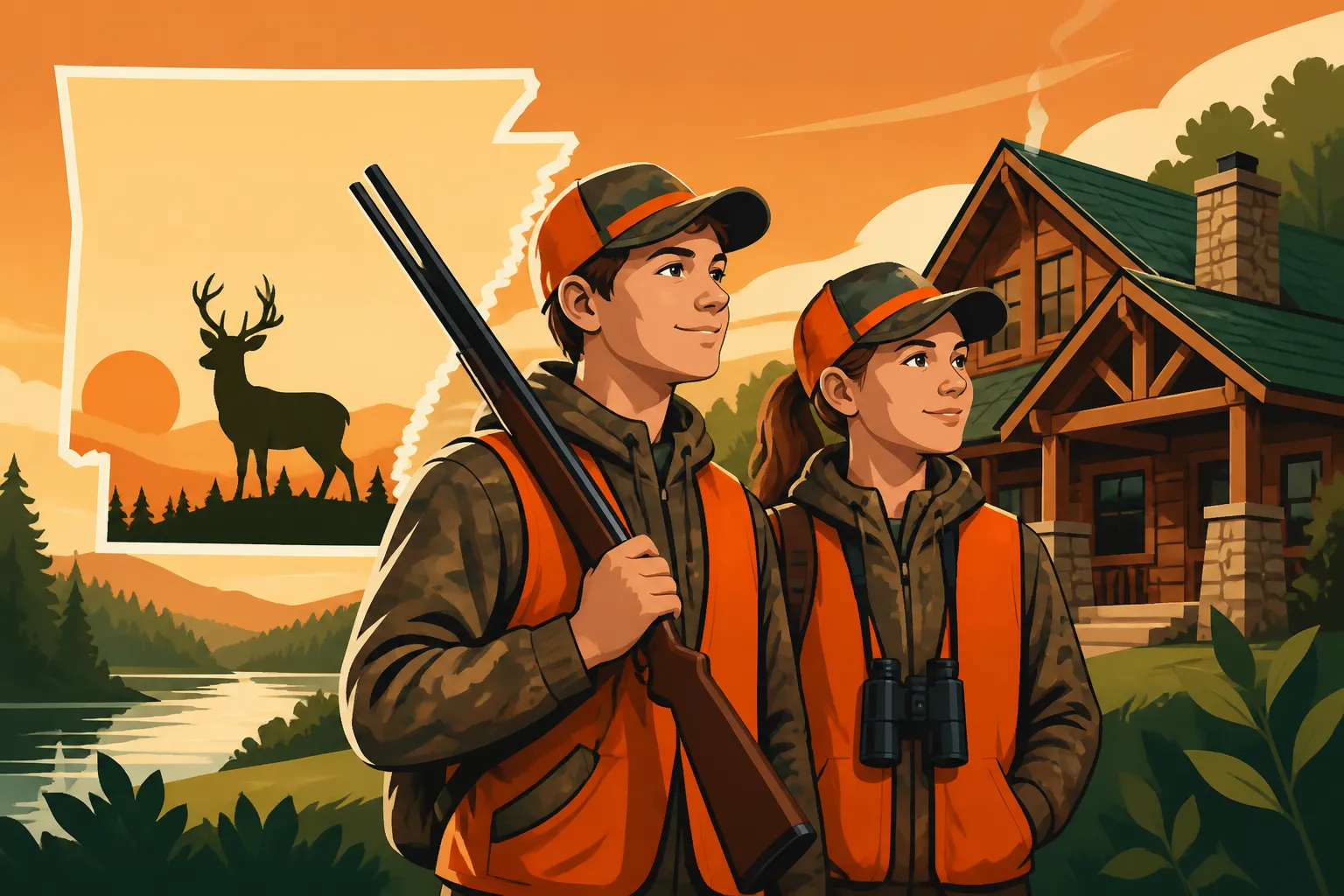
Bringing a young hunter to an Arkansas lodge for their first guided hunt, or even just another family outing, can be an incredible experience, but let's be honest, it also comes with a unique set of questions and worries. You want to make sure they're safe, that they learn something valuable, and that they actually enjoy it, rather than just being dragged along. This guide is here to walk you through everything you need to consider to ensure that hunting trip with your youth hunter is truly special and worry-free.
Why Bring a Young Hunter to an Arkansas Lodge?
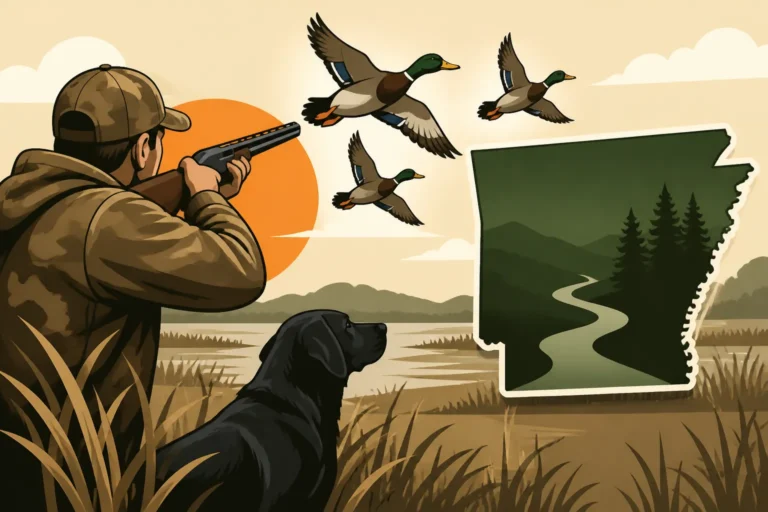
It's easy to think of a hunting lodge as a place for seasoned veterans to chase trophy animals or limit out on ducks, but for young hunters, it offers so much more than just a shot opportunity. It’s an immersive environment that can lay the foundation for a lifelong passion, blending education with adventure in a way a quick afternoon hunt might not. There’s a magic in that structured, yet wild, setting that can truly ignite a spark in a young heart.
The Educational Value Beyond the Shot
Think about it: when you're out in the woods with a guide who lives and breathes the outdoors, your young hunter isn't just learning how to hold a shotgun or draw a bow. They're getting a masterclass in nature. They’ll observe wildlife behavior firsthand, understand habitat management, and learn why certain game laws exist. A good guide can explain the cycle of the seasons, the importance of conservation, and the ethical responsibilities that come with being a hunter. It's a living classroom where lessons about patience, respect for nature, and the role of hunting in wildlife management sink in far deeper than any textbook ever could. It’s about instilling that fundamental understanding that hunting isn't just about the kill; it's about being a part of the ecosystem and respecting every aspect of it.
Creating Unforgettable Family Memories
In our busy world, dedicated family time can feel like a rare commodity. A trip to an Arkansas hunting lodge provides an unparalleled opportunity to unplug, reconnect, and create memories that will be talked about for years to come. Imagine the quiet anticipation in the blind before dawn, the shared excitement when ducks cup their wings or a deer steps into view, or the laughter around a campfire after a successful day. These aren't just moments; they're anchors in a child's memory. For many of us, our earliest hunting memories are intertwined with family. Giving that same gift to your children or grandchildren, away from screens and distractions, is an investment in your relationship and their understanding of shared outdoor heritage. It’s about more than just the game; it’s about the bond that forms when you face the elements, learn together, and share the triumphs and challenges of the hunt. These are the moments that truly make Arkansas Deer Camp Traditions come alive for the next generation.
Practical Considerations Before Booking
Before you even start looking at brochures or websites, there are some very real, very important practicalities to iron out when planning a lodge hunt with a young person. Arkansas has specific rules, and every lodge has its own way of doing things. Skipping these steps could lead to disappointment or, worse, safety issues.
Age, Licensing, and Hunter Education Requirements
Arkansas has clear guidelines for youth hunters, and understanding them is paramount. Generally, young hunters must be supervised by an adult, but the specifics can vary based on their age and what they're hunting. For example, there's typically no minimum age to hunt certain game if accompanied by a licensed adult, but there are age requirements for purchasing licenses themselves. Also, while there are exemptions for hunter education for very young hunters hunting under direct supervision, eventually they will need to take a hunter education course. It's crucial to check the current Arkansas Game and Fish Commission regulations regarding Arkansas Hunter Education Age Requirement and supervision rules for the specific species you plan to hunt. Some lodges might even have their own internal age policies that are stricter than state law, so always confirm with the lodge directly when you inquire. You'll also need to consider Youth and Senior License Options to ensure all necessary permits are in place before you arrive.
Here’s a simplified breakdown of typical age and supervision requirements for hunting in Arkansas:
| Age of Youth Hunter | Hunter Education Requirement | Supervision Requirement | Licensing Notes |
|---|---|---|---|
| Under 10 | Not required | Must be under the direct immediate supervision of an adult at least 18 years old who holds a valid Arkansas hunting license (or is exempt) and has completed hunter education (if born after Dec. 31, 1968). The adult must be within arm's reach. | The youth does not need a license to hunt if accompanied as described. The supervising adult’s license covers the youth. |
| 10 to 15 | Not required | Must be under the direct immediate supervision of an adult at least 18 years old who holds a valid Arkansas hunting license (or is exempt) and has completed hunter education (if born after Dec. 31, 1968). "Direct immediate supervision" typically means the adult must be close enough for voice control. | The youth generally does not need a license for many species if accompanied by a licensed adult, but some specific hunts or species might have different rules. It's always best to check the AGFC regulations for the specific season and game. |
| 16 and Older | Required | Not required for supervised hunting, but if they hunt independently, they must have completed hunter education. | Must possess a valid Arkansas hunting license and any necessary stamps (e.g., Arkansas Waterfowl Stamp Requirements) and have completed an approved hunter education course (if born after Dec. 31, 1968). There are also specific Arkansas Youth Modern Gun Dates and Arkansas Youth Turkey Hunt Dates that allow youth to hunt prior to general season openers, often under specific supervision rules. |
| Always consult the current Arkansas Game and Fish Commission regulations for the most up-to-date and specific rules, as these can change. |
Equipment, Safety, and Comfort
Bringing a child on a hunting trip means you’re packing for two, sometimes three, different people. Beyond their personal clothing, you need to think about appropriate gear. Is their firearm properly sized for them, with manageable recoil? Will they be comfortable sitting in a blind for hours in potentially cold or wet conditions? Pack plenty of layers, waterproof outer shells, sturdy boots, and maybe even hand warmers – especially for duck hunting in flooded timber. Safety is paramount, of course. Ensure they understand gun safety rules thoroughly and are comfortable handling their firearm. Most lodges provide blinds or stands, but you might want to confirm if they have youth-friendly options that offer extra stability or enclosed spaces for comfort. Don't forget bug spray, sunscreen, and any personal medications. A cold, wet, or uncomfortable kid is a miserable kid, and that can quickly sour the whole experience.
Choosing the Right Lodge for Youth
Not all lodges are created equal, especially when you're thinking about bringing along a young hunter. The atmosphere, the guides, and even the non-hunting activities can make or break the trip for a child. This isn't just about finding a spot with good hunting; it's about finding a place that understands and welcomes younger guests.
Guide Experience and Patience
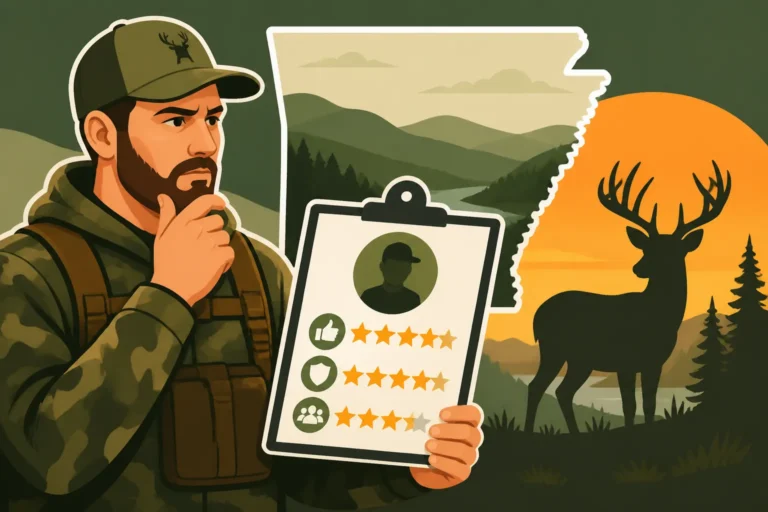
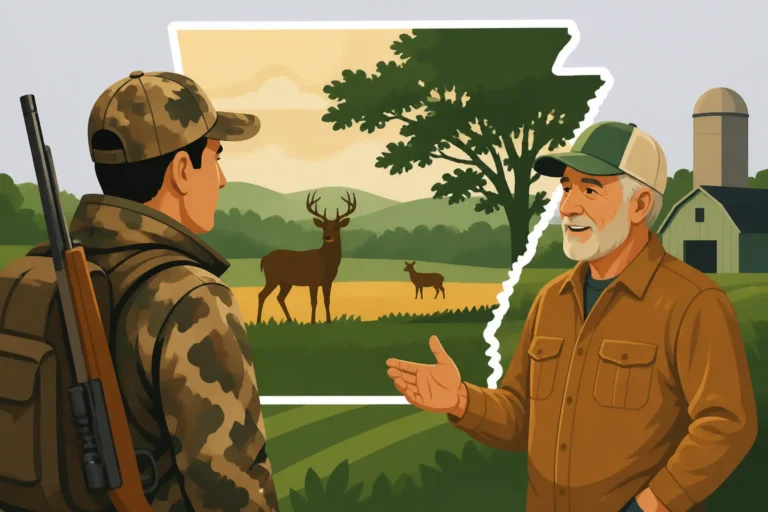
This is arguably the most critical factor. A guide who is fantastic with experienced hunters might not be the best fit for a fidgety ten-year-old. You need a guide who genuinely enjoys teaching, who has the patience of a saint, and who understands that a youth hunt isn't solely about bagging game. They should be willing to take the time to explain things, answer endless questions, and celebrate small victories, like a perfect call sequence or spotting a hidden animal, even if no shot is taken. When researching, don't hesitate to ask specific questions about a lodge's experience with youth hunters. Ask about their guides' approach, what activities they do if the hunting is slow, and if they have testimonials from other families. Platforms like BookYourHunt can often provide detailed lodge profiles and reviews, which might highlight family-friendly options or specific guides known for their work with kids. A truly great guide will make the experience magical, regardless of the harvest.
Lodge Amenities and Atmosphere
Beyond the hunting itself, consider the overall lodge environment. Is it a place where kids can relax and feel welcome? Look for lodges that specifically advertise as "family-friendly" or that cater to groups. Do they have comfortable common areas where a child can read or play a quiet game? Are meals served at times that work for younger guests, and do they offer kid-friendly food options? Some lodges might even have non-hunting activities available, like fishing ponds, hiking trails, or even game rooms, which can be invaluable for downtime or if the young hunter decides they've had enough hunting for the day. A lodge that feels rigid or overly focused on adult entertainment might not be the best choice. While you're on a hunt, part of the lodge experience is about relaxation and comfort. A welcoming atmosphere can truly enhance the entire trip, making it a home away from home for your young adventurer. When doing your initial research, look up lodge reviews on sites like GoHunt to see what past clients have said about the overall atmosphere and how suitable it might be for a family with a young hunter.
Making the Most of the Experience
A hunting trip with a youth isn't just about the time in the blind or the woods; it's about the entire journey. From preparing beforehand to reflecting afterward, there are opportunities to deepen the experience and reinforce the valuable lessons learned.
Beyond the Hunt: Learning and Reflection
The learning doesn't stop when the gun is unloaded or the bow is racked. In fact, some of the most profound lessons can happen after the hunt. Involve your young hunter in the field dressing process (if they're old enough and willing), or at the very least, have them observe the care taken with the harvested animal. Explain the importance of ethical shot placement and quick recovery. Back at the lodge, discuss the day’s events: what they saw, what they learned, what they enjoyed. Encourage them to ask questions about the wildlife, the habitat, and the traditions of hunting. If you were successful, involve them in cleaning ducks or preparing game meat for transport. This reinforces the full cycle of the hunt and teaches respect for the animal. Consider keeping a journal or taking photos to capture the memories and help them reflect on their adventures. These moments solidify the experience and help them understand the full scope of hunting responsibly.
Managing Expectations for Young Hunters
Let's face it: hunting can be tough. There are slow days, bad weather, and sometimes, despite everyone's best efforts, no game is harvested. It's incredibly important to manage your young hunter's expectations from the very beginning. Emphasize that the "hunt" itself, the experience of being outdoors, observing nature, and spending time together, is the true prize. It's not always about pulling the trigger. Discuss that even experienced hunters have days where they don't get anything, and that's perfectly normal. Celebrate every small success – identifying a bird by its call, spotting fresh tracks, or making a perfect quiet stalk. If they do get a chance to harvest an animal, make it a moment of respect and gratitude, not just high-fives. If the hunt doesn't result in a harvest, talk about what was learned, what could be done differently next time, and how resilience is a part of the hunter's journey. Keeping the focus on the broader experience, rather than just the kill, ensures they’ll come away with positive memories and a desire to return, even if the freezer isn't full. It's about fostering a love for the outdoors, not just the outcome of a single trip.
Bringing a youth hunter to an Arkansas lodge is more than just a hunting trip; it's an investment in their future as outdoors enthusiasts, conservationists, and responsible members of the hunting community. By carefully considering the practicalities, choosing the right lodge and guide, and focusing on the overall experience, you're setting them up for a lifetime of cherished memories and a deep appreciation for Arkansas's wild places.
Disclaimer
This article is for general informational purposes only and does not constitute professional advice. Laws, prices and regulations vary by location and change over time. Consult a qualified professional for guidance on your specific situation.