Taxidermists in Arkansas Hunting Towns
There's nothing quite like the feeling of a successful hunt in Arkansas – whether it's a magnificent Ozark whitetail, a hefty Delta mallard, or a strutting gobbler from the piney woods. You've put in the scouting, the time, the effort, and you've harvested a trophy you'll cherish forever. But then comes the crucial question: how do you preserve that memory? Finding the right taxidermist, especially if you're traveling, can feel like a hunt in itself, fraught with questions about quality, trust, and logistics. This guide is all about helping you navigate the world of Arkansas taxidermy, ensuring your hard-earned trophy gets the respect and artistry it deserves.
Why Local Taxidermy Matters for Arkansas Hunters
When you've just punched your tag on a buck of a lifetime or brought a stringer full of greenheads back to camp, your first thought is usually about celebrating and maybe getting some rest. But if you plan to have that trophy mounted, the clock starts ticking for proper care. This is where a local Arkansas taxidermist can be an absolute game-changer.
Proximity and Convenience After the Harvest
Let's be real: after the shot, the field dressing, and potentially a long pack out, the last thing you want to do is figure out how to transport a delicate cape and antlers hundreds of miles. Especially with Arkansas's often warm early seasons, proper care, like caping and getting the hide cooled or frozen, is paramount to preventing hair slip and preserving the quality of your mount. A local taxidermist, often just a short drive from popular hunting areas, offers immense convenience. They can usually guide you through the initial field preparations over the phone or in person, ensuring you don't make a costly mistake. Imagine the relief of driving your deer to a nearby shop in the Ozarks after a successful hunt, rather than trying to keep a cape frozen for a multi-state trip home. This immediate access can quite literally save your trophy, especially when you're dealing with conditions that make Field Dressing in Arkansas Heat a challenge.
The logistical headache of dealing with a wet, heavy cape, or delicate bird feathers, during travel is something no hunter relishes. A local professional understands the urgency. They'll have the freezer space, the knowledge, and the availability to take your trophy off your hands quickly and correctly, allowing you to focus on the rest of your trip or getting home without worrying about the integrity of your hard-earned prize.
Understanding Regional Game and Hunting Culture
Arkansas boasts a diverse range of game animals, from our legendary whitetails to black bears, wild turkeys, and an unparalleled array of waterfowl. Each species presents unique challenges and opportunities for a taxidermist. A local taxidermist lives and breathes Arkansas hunting. They are intimately familiar with the local deer genetics, the nuances of a Delta mallard's plumage, or the powerful stance of a gobbler. This specialized knowledge translates directly into more realistic and true-to-life mounts.
They understand the specific characteristics that make an Arkansas buck unique – perhaps the dark rack from feeding on rich Delta soils or the compact body of an Ozark deer. For waterfowl, they know the subtle feather patterns of a drake mallard or pintail that winters in our flooded timber, ensuring the colors and posture are spot-on. They also appreciate the stories and traditions behind the hunt, understanding that a mount isn't just an animal, but a preserved memory of a particular time and place. This cultural connection means they're not just mounting a generic animal; they're mounting your Arkansas trophy.
Trust and Community Connections
The hunting community in Arkansas is a tight-knit one, and word-of-mouth recommendations carry a lot of weight. When you're entrusting a valuable trophy to someone, trust is paramount. Local taxidermists often build their reputations within these communities, earning business through consistent quality and strong relationships. You can visit their shop, see their work firsthand, and talk to other local hunters who have used their services.
This level of personal connection is invaluable. You're not just a number on an invoice; you're a fellow hunter, bringing in a trophy from a shared landscape. This fosters a sense of accountability and pride in their work that can be harder to find with distant, less connected services. Many local taxidermists are hunters themselves, and they treat your trophy with the same reverence they would their own. They understand the dedication it takes for Getting a Deer Out of an Ozark Hollow or spending cold mornings in Hunting Arkansas Flooded Green Timber, and they reflect that respect in their craftsmanship.
Finding a Reputable Taxidermist in Arkansas's Hunting Hotbeds
Okay, you're convinced: local is the way to go. But where do you actually find these skilled artisans? Arkansas has several hubs renowned for specific types of hunting, and these towns are often excellent places to start your search.
Where to Start Your Search
The best place to begin is by simply asking around. Your hunting buddies, the folks at the local sporting goods store, and even the staff at a deer processor will often have strong opinions and recommendations. If you've booked a guided hunt, your outfitter or guide is an excellent resource. They work with hunters constantly and often have preferred taxidermists they recommend to clients. Hunting platforms like BookYourHunt or GoHunt, while primarily for finding outfitters, can also put you in touch with guides who can then provide local taxidermist recommendations.
Local hunting clubs are another fantastic source. Members often have years of experience with various taxidermists in the area and aren't shy about sharing their positive (or negative) experiences. Don't underestimate the power of a good old-fashioned phone book or a quick online search for "taxidermist near [Arkansas hunting town]." Once you have a few names, you can start digging deeper.
Key Hunting Towns and Their Taxidermy Scene
Arkansas has several regions that are synonymous with exceptional hunting, and consequently, good taxidermists often set up shop there.
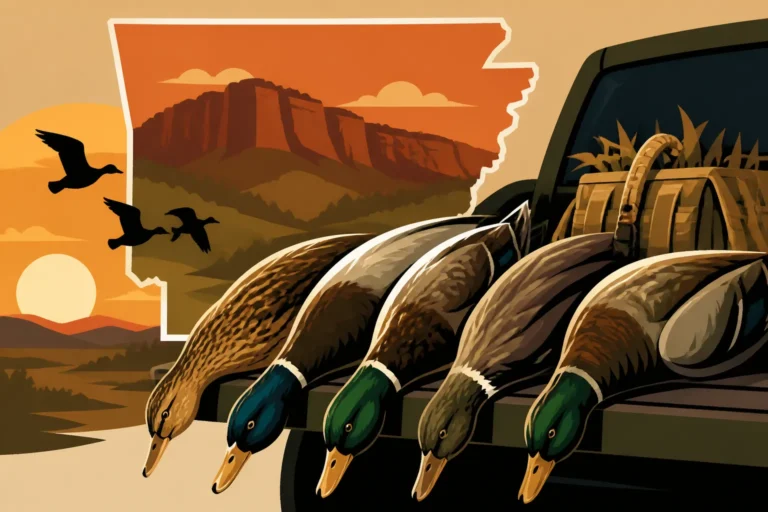
- Stuttgart and the Delta Region: Known as the "Duck Capital of the World," Stuttgart and its surrounding towns like DeWitt and Hazen are prime locations for waterfowl taxidermy. If you're looking to preserve a magnificent mallard, pintail, or specklebelly, this is where you'll find specialists. They understand the intricacies of waterfowl plumage, pose, and habitat recreation. You might even find some specializing in goose mounts, given the incredible Speck and Goose Hunting in the Delta.
- Ozarks and Ouachitas (e.g., Harrison, Marshall, Mena, Hot Springs): These mountainous regions are whitetail and black bear country. Towns here will likely have taxidermists specializing in deer shoulder mounts, European mounts, and even full body bear mounts. They'll be familiar with the varying sizes and characteristics of mountain game. Given the successful Black Bear Hunting in Arkansas and growing bear population, you'll find experts in preserving these magnificent animals.
- South Arkansas (e.g., Camden, El Dorado): The pine forests and river bottoms of South Arkansas also offer excellent deer and bear hunting. Taxidermists in these areas will be well-versed in handling large whitetails and often have experience with other local game.
- River Valley (e.g., Russellville, Clarksville): Situated between the Ozarks and Ouachitas, this region sees hunters pursuing a mix of deer, turkey, and some small game. Taxidermists here will often have broader expertise across multiple species.
When exploring these towns, think about what you hunted and match it to the local specialty. A waterfowl taxidermist in Stuttgart, for instance, might do deer work, but their primary passion and expertise might lie with birds.
Evaluating a Taxidermist's Work
Once you have a list of potential taxidermists, it's time to do your due diligence. Don't just pick the first one you find.
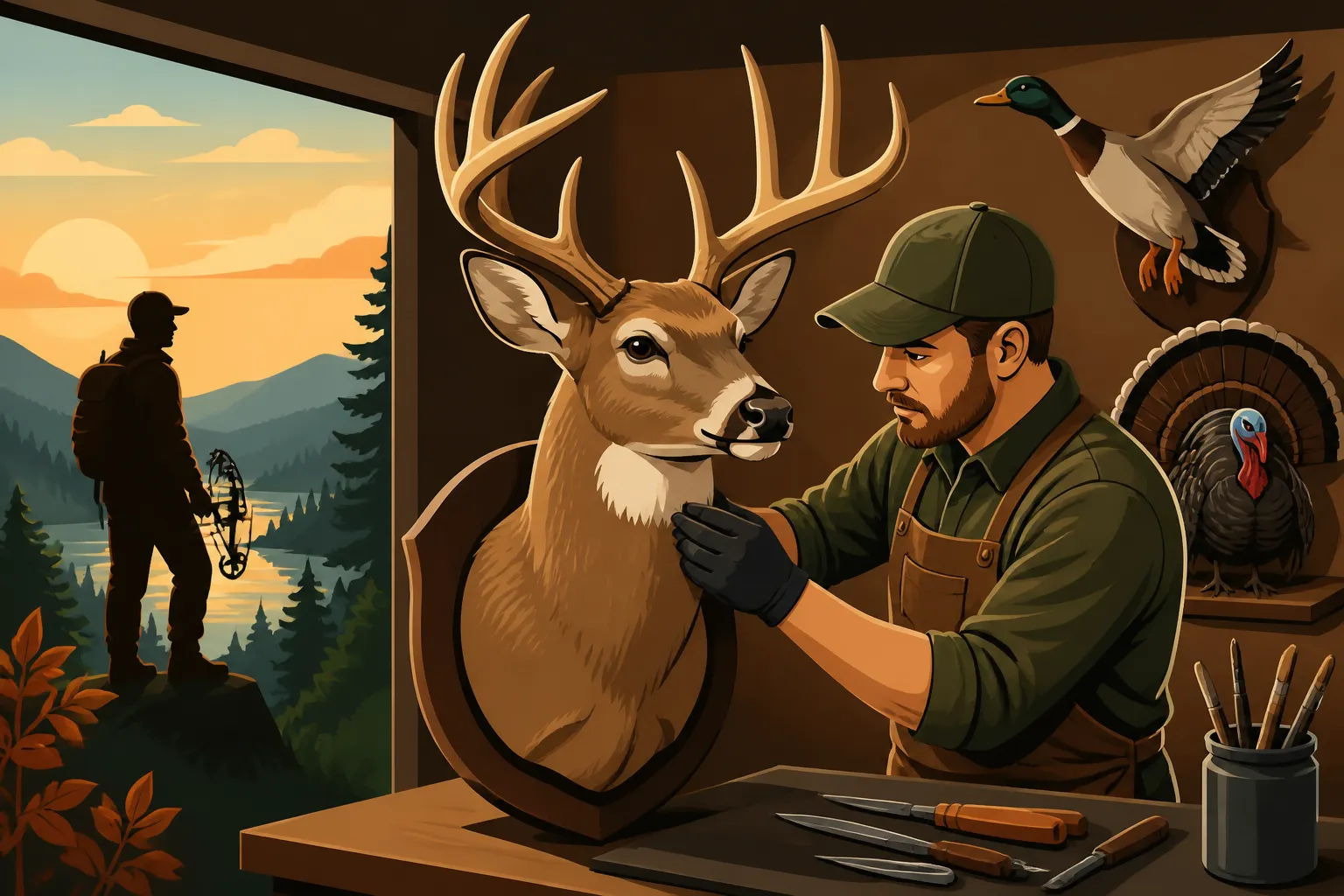
- Visit Their Shop (if possible): This is the single best way to gauge their quality. Look at the mounts on display. Are the eyes lifelike? Is the musculature realistic? Are the seams clean and well-hidden? Are the feathers on birds perfectly preened and positioned? Does the overall presentation evoke realism and artistry? Pay close attention to the details – ears, noses, mouths, and the overall finish.
- Ask for References: A good taxidermist will be proud to show off their work and provide contacts for satisfied customers. Reach out to these references and ask about their experience, turnaround time, and satisfaction with the final product.
- Discuss Your Vision: Come prepared with an idea of what you want. Do you want a subtle sneak pose for your deer, or a majestic upright stance? For a turkey, a full strut or a flying pose? For a duck, a landing pose or a preening one? A good taxidermist will listen to your ideas and offer professional advice on what will look best and what's feasible given the condition of your trophy.
- Inquire About Field Care Guidance: A truly professional taxidermist will also be a wealth of knowledge when it comes to proper field care. They should be able to provide detailed instructions on how to cape, skin, or preserve your trophy in the field to ensure the best possible result for their work.
Ultimately, you're looking for an artist who can breathe life back into your trophy, creating a lasting memory of your hunt.
Preparing Your Trophy for the Taxidermist
The taxidermist is an artist, but you, the hunter, are the first line of defense in ensuring a quality mount. Improper field care can ruin a trophy before it even reaches the shop, making the taxidermist's job nearly impossible or, at best, requiring extensive and costly repairs.
Immediate Field Care for Capes and Antlers
For deer, elk, or bear, the cape (the hide for a shoulder mount) is the most critical component.
- Cooling is Key: As soon as the animal is down, get it cooled, especially in warm Arkansas weather. This means removing the entrails and getting the animal to shade. Delaying this can lead to hair slippage, where the hair literally falls out of the hide – a taxidermist's worst nightmare.
- The "Y-Cut" for Deer: If you're doing a shoulder mount, the taxidermist needs plenty of hide. Make a "Y" shaped cut behind the front legs, extending up to the brisket. Then, cut a straight line from the back of the skull down the spine, meeting the "Y" cut. Circle the legs just above the knee. Skin carefully up the neck to the head, leaving plenty of hide.
- Head and Antlers: You can cut the head off (with antlers attached) at the atlas joint (where the spine meets the skull). Many hunters will skin the head carefully around the base of the antlers, eyes, and mouth, leaving the skull attached to the hide. This is often the safest bet for ensuring a good cape.
- Salting and Freezing: Once the cape is removed from the skull and body, generously salt the flesh side with non-iodized salt (table salt or rock salt works). Rub it in thoroughly. Let it sit for a day or two, then shake off the excess, re-salt, and roll it up. Better yet, once salted, roll it up and freeze it solid. If you can't salt immediately, get the cape into a freezer as quickly as possible. This is particularly important for Bowhunting Arkansas in September Heat, where spoilage can happen rapidly.
Duck and Turkey Preparations
Bird taxidermy requires a different approach, but the principle of rapid cooling and careful handling remains the same.
- Handle With Care: After harvesting your duck or turkey, handle it as little as possible. Avoid dragging it by the head or feet, which can damage delicate feathers. Don't throw it in a pile with other birds. Place it carefully in a cooler.
- No Gutting: For a bird mount, do not gut the bird. This can contaminate the feathers and make the taxidermist's job much harder.
- Feather Protection: Gently smooth down any ruffled feathers. You can wrap the bird in an old t-shirt, paper towels, or pantyhose to protect the feathers during transport.
- Freezing: Place the bird whole into a plastic bag, carefully squeezing out as much air as possible to prevent freezer burn. Then, immediately freeze it solid. The sooner you get it frozen, the better the chances for a perfect mount. A dedicated freezer for your harvested birds can be a lifesaver, especially after a successful day of Hunting Rice Fields and Levees or hunting Arkansas green timber.
Communication is Key
Even with perfect field care, the final quality depends on clear communication with your chosen taxidermist.
- Discuss Your Vision: Share photos of poses you like, or describe your desired setup in detail. Do you want an open mouth, a head turned, a specific habitat base?
- Be Honest About Damage: If there's a bullet hole, a torn hide, or missing feathers, point it out. An honest assessment upfront allows the taxidermist to manage expectations and plan for repairs.
- Ask About Turnaround and Payment: Understand their estimated completion time and their payment structure (deposit, installments, final payment). This helps avoid surprises down the road.
A good relationship with your taxidermist, built on trust and clear communication, is as important as the initial shot you made in the field.
What to Expect: Cost, Turnaround, and Care
You've done the work, found your taxidermist, and delivered your trophy. Now for the waiting game and the realities of owning a piece of preserved wildlife art.
Understanding the Investment
Taxidermy is an investment, not just in an object, but in a memory. The cost will vary significantly based on the species, the type of mount (shoulder, full body, European, rug), and the complexity of the pose or habitat base. A full-body bear mount will naturally cost more than a simple deer shoulder mount, and an intricate flying duck display will cost more than a standard standing pose. While I can't give you specific figures, know that quality taxidermy is not cheap, and for good reason. It requires immense skill, artistic talent, specialized materials, and a significant amount of labor.
Think of it this way: the value isn't just in the material, but in the preservation of your experience. A cheap mount will often look cheap, with unrealistic features, poor hair lines, and a lack of lifelike presence. A high-quality mount, however, will be a conversation piece and a source of pride for decades. It's often worth paying a bit more for a taxidermist whose work genuinely impresses you. Don't be afraid to discuss the costs transparently and understand what you're getting for your money.
Realistic Turnaround Times
The most common "frustration" hunters experience with taxidermy is the waiting period. A high-quality taxidermy mount takes time – often many months, sometimes even a year or more. This isn't because the taxidermist is lazy; it's because the process is intricate and involves many steps:
- Tanning: The hide must be professionally tanned to preserve it permanently and make it pliable. This often involves sending the hide to a specialized tannery.
- Sculpting and Molding: Forms must be custom-ordered or sculpted to match the exact dimensions of your animal.
- Mounting: The hide is meticulously fitted and sculpted onto the form.
- Finishing: This is where the artistry truly shines – painting eyes, noses, and mouths for realism, adjusting whiskers, setting feathers, and creating natural habitat elements. This stage is extremely time-consuming and requires a keen artistic eye.
During peak hunting seasons, a taxidermist's shop can be overflowing with new trophies, leading to longer queues. Be patient, communicate respectfully, and trust the process. A longer wait often means more attention to detail and a better final product. If you're concerned, a quick, polite check-in phone call every few months is usually fine, but avoid incessant calls that can disrupt their workflow.
Long-Term Care for Your Mount
Once you finally get your prized mount home, your responsibility isn't over. Proper care will ensure it remains beautiful for generations.
- Dusting: Regularly dust your mount with a soft cloth, a feather duster, or even a soft-bristled paintbrush. For birds, a gentle blast of compressed air can work wonders to clean individual feathers.
- Avoid Direct Sunlight: Just like paintings or photographs, direct sunlight can fade the colors of your mount over time. Place it in a location away from windows or direct sun exposure.
- Humidity Control: Extreme fluctuations in humidity can cause mounts to crack or shrink. Maintain a stable indoor environment.
- Pest Control: Moths and other insects can be devastating to taxidermy. Consider using cedar blocks, moth balls (in a discreet area), or professional pest control if you notice any issues. Inspect your mounts periodically for any signs of insect activity.
- Careful Handling: When moving or cleaning, handle your mount gently, especially delicate areas like antlers, ears, or bird feathers.
Your mounted trophy is a testament to your hunting skill, the beauty of Arkansas's wildlife, and the artistry of your taxidermist. By investing in quality, exercising patience, and providing proper care, you'll ensure that memory lives on, vividly and beautifully, for years to come.
Disclaimer
This article is for general informational purposes only and does not constitute professional advice. Laws, prices and regulations vary by location and change over time. Consult a qualified professional for guidance on your specific situation.