Hunting the Arkansas Youth Modern Gun Hunt
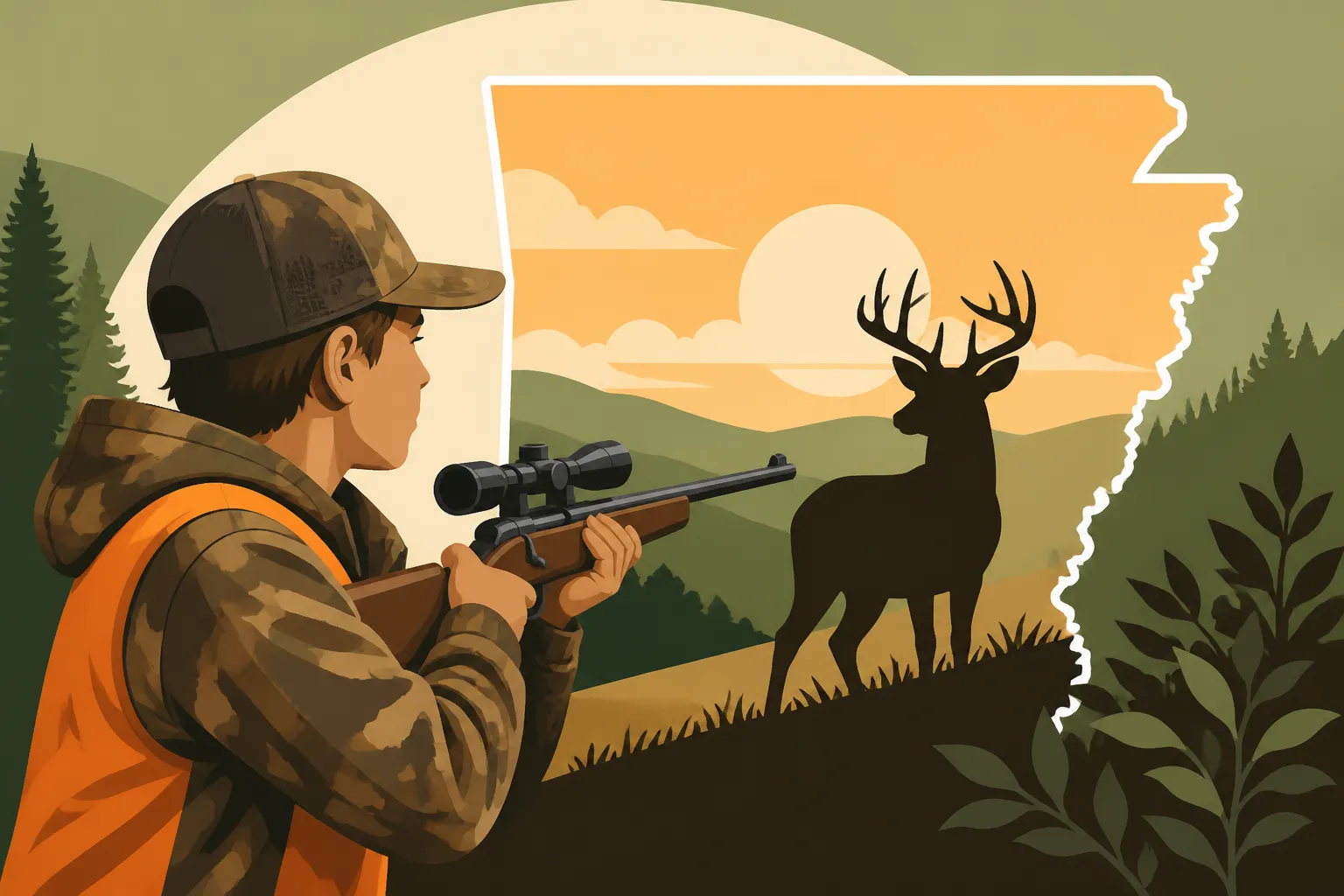
For many of us, introducing a young person to deer hunting is one of the most rewarding experiences in the outdoors. Yet, it often comes with a unique set of pressures, from ensuring their safety and comfort to making sure they actually have a chance at seeing — and maybe even harvesting — a deer. The Arkansas Youth Modern Gun Hunt is specifically designed to ease some of that pressure, offering a dedicated window for young hunters to learn and connect with nature. This guide will walk you through everything you need to know to make their experience truly unforgettable.
Understanding the Arkansas Youth Modern Gun Hunt
The Arkansas Game and Fish Commission (AGFC) understands the importance of fostering the next generation of conservationists and hunters. That's why they've carved out specific seasons tailored for youth, and the Modern Gun Youth Hunt is a cornerstone of this effort. It's not just about a shorter season; it's about creating an environment where learning and safety take precedence over competition.
Dates, Age Limits, and Licensing for Young Hunters
The Arkansas Youth Modern Gun Deer Hunt is a special opportunity, typically held over a designated weekend in late October or early November, often coinciding with the statewide muzzleloader season or just preceding the general modern gun opener. For example, in recent years, this hunt has been set for the last weekend of October, giving young hunters a unique chance to be in the woods before the main rush. This dedicated timeframe is crucial because it often means less pressure from other hunters, allowing for a more focused and peaceful experience.
To participate, young hunters must be between the ages of 6 and 15. This wide age range allows both eager youngsters taking their first steps into hunting and more experienced teenagers to enjoy a tailored season. A critical component of the youth hunt, and rightly so, is the requirement for the youth to be under the direct supervision of an adult at least 18 years old. This adult cannot hunt or carry a firearm, essentially acting as a dedicated mentor and safety officer. It ensures the focus remains entirely on the young hunter's experience and safety. When it comes to licenses, young hunters need an Arkansas hunting license, though specific youth options exist that are often significantly reduced in cost or, in some cases, even free for resident youth. You'll want to check the current AGFC regulations carefully, and it's always a good idea to secure these well in advance. For more details on what's required, take a look at our guide on Arkansas Youth License Prices.
Why a Dedicated Youth Season Matters
The very existence of a dedicated youth hunt speaks volumes about Arkansas's commitment to nurturing young outdoorsmen and women. One of the biggest advantages is the significantly reduced hunting pressure. Imagine walking into your favorite public land area or even a private lease during a regular modern gun season; it can feel like a small army has descended. During the youth hunt, however, the woods are far quieter. This not only makes for a more serene experience but also can increase the chances of encountering deer, as they are less disturbed. It's a fantastic way to introduce a beginner to the rhythm of the woods without the overwhelming presence of many other hunters.
Beyond the reduced competition, this season is specifically designed to focus on the educational aspect of hunting. It's a hands-on classroom where you can teach everything from tracking and identifying deer sign to understanding wind direction and proper scent control. The goal isn't just a successful harvest, but a successful lesson. A young hunter can truly absorb the nuances of the environment and the ethical responsibilities that come with hunting when the pace is slower and the distractions are fewer.
Finally, and perhaps most importantly, a less crowded, more supportive environment helps build confidence in young hunters. The first few times out can be intimidating, especially when handling a firearm and trying to stay quiet and patient. Knowing that their mentor is entirely focused on them, and that they're not competing with dozens of other adults, can make all the difference. This confidence is crucial for fostering a lifelong love of the outdoors, turning what could be a frustrating experience into a memorable success, regardless of whether a deer is harvested or not. The positive atmosphere often leads to greater patience and enjoyment, setting the stage for many more adventures to come.
Essential Preparation for a Successful Youth Hunt
Getting ready for the youth hunt is about more than just throwing on some camo and grabbing a rifle. It's about careful planning, prioritizing safety, and making sure your young hunter is comfortable and confident. This groundwork lays the foundation for a positive experience, regardless of what the deer decide to do.
Prioritizing Hunter Education and Safety
Before a young hunter ever steps foot in the woods, hunter education and safety must be the absolute top priority. In Arkansas, anyone born on or after January 1, 1969, must have successfully completed a hunter education course to hunt with a gun. For youth, this usually means an AGFC-approved course, which can be taken in a traditional classroom setting or online with a field day. This course isn't just a hoop to jump through; it instills fundamental knowledge about firearm safety, wildlife identification, conservation ethics, and basic hunting techniques. It’s truly the first and most important step in preparing any new hunter. Our comprehensive guide, Arkansas Hunter Education and Safety Rules, delves into all the specifics of these requirements.
Beyond the formal education, the mentor plays a crucial role in reinforcing safe firearm handling. This means extensive practice at a shooting range before the season opens. Ensure the young hunter is comfortable with their rifle, understands its mechanics, and can consistently hit their target accurately and safely. This practice should cover proper loading and unloading, carrying techniques, sight alignment, and trigger control. Crucially, always use appropriate hearing and eye protection during any shooting practice. Remember, the mentor is ultimately responsible for the safety of the young hunter in the field, so setting an impeccable example is paramount.
Safety extends beyond the firearm. If you're using a tree stand, ensure the youth is properly trained on its use, including always wearing a full-body harness that is securely attached from the moment they leave the ground until they return. Explain the importance of checking all straps and connections. For ground blinds, discuss shooting lanes, safe zones of fire, and how to remain concealed without compromising safety. Carrying a basic first-aid kit is always wise, and discussing emergency procedures with your young hunter, such as what to do if you get separated or if someone is injured, provides an added layer of preparedness and peace of mind.
Scouting and Location Selection
Effective scouting is a game-changer for any hunt, but it's particularly vital for a youth hunt where maximizing the chances of an encounter can significantly boost enthusiasm. Don't wait until the week before the hunt; start scouting weeks, or even months, in advance. Involve your young hunter in this process; it's a fantastic way to teach them about deer sign, habitat, and the importance of observation. Look for food sources like acorns, persimmons, or green browse, as well as fresh tracks, droppings, and rubs or scrapes. Identifying bedding areas and the travel corridors between bedding and feeding is key. A valuable tool like GoHunt can provide satellite imagery, topo maps, and public/private land boundaries, helping you identify potential hotspots and plan routes in advance.
When selecting a location, consider both public and private land options. Private land, if you have access, often offers less pressure and potentially more consistent deer patterns. However, Arkansas boasts vast public land opportunities across Wildlife Management Areas (WMAs) and national forests. These areas might require a bit more legwork due to higher hunting pressure, but they can be incredibly rewarding. For strategies on finding deer in these areas, check out our guide on Scouting Arkansas Public Land Before Season. Look for areas with diverse habitat – the edges of thick cover, creek bottoms, old logging roads, or even abandoned fields can be prime spots. Understanding Arkansas Deer Zones Explained will also help you narrow down areas with healthy deer populations and specific bag limits relevant to your youth hunt.
Specific spots like cutovers and clearcuts can be magnets for deer, providing both browse and thick cover. A few years after a clearcut, the new growth often provides excellent food and bedding. Pinch points where deer are funneled through narrow strips of cover, or natural funnels created by terrain, are also excellent choices. Keep in mind that for a youth hunt, ease of access and the ability to set up comfortably are important. A ground blind might be more comfortable and less intimidating than a tree stand for a younger hunter, offering more movement flexibility and warmth. Using GoHunt's mapping features can help pinpoint these areas and plan quiet entry and exit routes, minimizing disturbance and increasing the likelihood of a successful sit.
Gear and Comfort Considerations for Young Hunters
The right gear makes a huge difference in a young hunter's comfort, patience, and overall enjoyment. First and foremost, the firearm itself should be appropriate. A youth model rifle chambered in a manageable caliber like a .243 Winchester, 6.5 Creedmoor, or even a .30-30 can be ideal. The key is a rifle that fits the hunter properly, with a shorter length of pull and lighter weight to minimize recoil and allow for proper handling. Ensure it’s zeroed correctly and the young hunter has practiced extensively with it, as discussed earlier. For details on what firearms are legal, refer to Legal Firearms for Arkansas Deer.
Layered clothing is absolutely essential, especially during late fall when Arkansas weather can be notoriously unpredictable. Mornings can be frigid, while midday might warm up considerably. Start with a moisture-wicking base layer, add insulating layers like fleece or wool, and top it off with a waterproof and windproof outer layer. This allows the young hunter to adjust their clothing as temperatures change, preventing them from getting too cold or too hot, which can quickly lead to discomfort and a desire to leave the stand. Proper boots that are waterproof and insulated are also critical, as cold, wet feet will ruin a hunt faster than almost anything else.
Finally, don't underestimate the power of small comforts. A small backpack filled with snacks (chocolate bars, trail mix, fruit snacks), a thermos of hot cocoa or warm water, and perhaps a small book or quiet game for downtime can be invaluable. A comfortable seat in a ground blind, or a soft cushion in a tree stand, makes a significant difference. Bringing a pair of binoculars allows the youth to scan the woods, identify other wildlife, and feel more engaged, even when deer aren't present. A rangefinder can help them understand shot distances, and a small headlamp or flashlight is crucial for navigating in the dark. The goal is to make the experience as enjoyable and comfortable as possible, so the young hunter associates hunting with positive feelings and wants to return.
On-the-Ground Tactics and Mentorship During the Hunt
Once you're in the woods, the real teaching begins. This isn't just about spotting a deer; it's about interpreting the environment, making ethical decisions, and patiently experiencing the outdoors together. Your role as a mentor is pivotal in guiding your young hunter through these moments.
Hunting Strategies for Youth Success
When hunting with a young person, patience is your most valuable asset, and often, traditional hunting strategies need a tweak. Long, grueling sits from dawn till dusk might work for a seasoned adult, but they can quickly drain a young hunter's enthusiasm. Instead, consider shorter, focused sits, perhaps a few hours in the morning and a few hours in the evening, leaving ample time for breaks, stretching legs, and refueling. If you're on private land, you might even consider returning to camp for lunch and a short nap, making the experience less physically demanding.
For many young hunters, still-hunting or using a ground blind is often more effective and comfortable than a tree stand. A ground blind, especially a pop-up blind, offers warmth, concealment, and the ability to fidget or quietly move around without alarming game. This freedom can make a huge difference for a young person with a shorter attention span. If you choose a tree stand, ensure it’s a two-person stand with plenty of room, and as always, prioritize safety with harnesses. During the general Arkansas Modern Gun Season Structure, many hunters opt for elevated stands, but for youth, comfort and stability are paramount.
Above all, focus on the entire experience, not just the harvest. Point out squirrels burying acorns, various bird species, interesting tracks, or the rustle of leaves in the wind. Explain why you chose this particular spot, what deer sign you're seeing, and what you expect to happen. Engage them in conversations about nature and conservation. This continuous engagement keeps them interested and helps them develop a deeper appreciation for the outdoors. Even if no deer are seen, the memories of watching a sunrise, identifying a distant bird, or simply sharing quiet moments in the woods will last a lifetime. This is the heart of true mentorship in the field.
Shot Placement, Tracking, and Recovery
The moment of truth—a deer steps out. This is where all the practice and preparation come into play, and your mentorship is critical. Before the hunt, review ethical shot placement with your young hunter, focusing on the vital organs (lungs and heart). Use diagrams or a target with a deer silhouette. Emphasize patience: only take a shot when the deer is broadside or slightly quartering away, standing still, and within their comfortable shooting range. Remind them to focus on a specific spot on the deer, rather than the whole animal. You, as the mentor, will confirm the shot opportunity and ensure the deer is correctly identified as a legal buck or antlerless deer, depending on the current zone limits for the youth hunt.
After the shot, resist the immediate urge to rush to the deer. Teach your young hunter the importance of waiting. A good rule of thumb is to wait at least 15-30 minutes for a solid hit, or an hour or more if the shot seemed marginal or the deer ran hard. This waiting period allows the deer to lie down and stiffen up, making recovery much easier. During this time, discuss what they saw, where the deer was standing, and where they think they hit it. Mark the spot where the deer was standing when shot, and its last known direction of travel.
Once the waiting period is over, begin the tracking process. This is another invaluable learning opportunity. Involve the youth in looking for blood, hair, bone fragments, or disturbed earth. Teach them how to read tracks and interpret signs. Move slowly and systematically. If tracking proves difficult, especially in thick cover or after dark, don't hesitate to seek assistance from an experienced tracker or even a tracking dog. Our guide on Tracking a Deer in Ozark Rock provides excellent tips for navigating challenging terrain during recovery. Remember, every effort must be made to recover the animal. If for some reason the trail goes cold, explain the ethical responsibility and what steps were taken to try and find it.
Field Dressing and Game Care
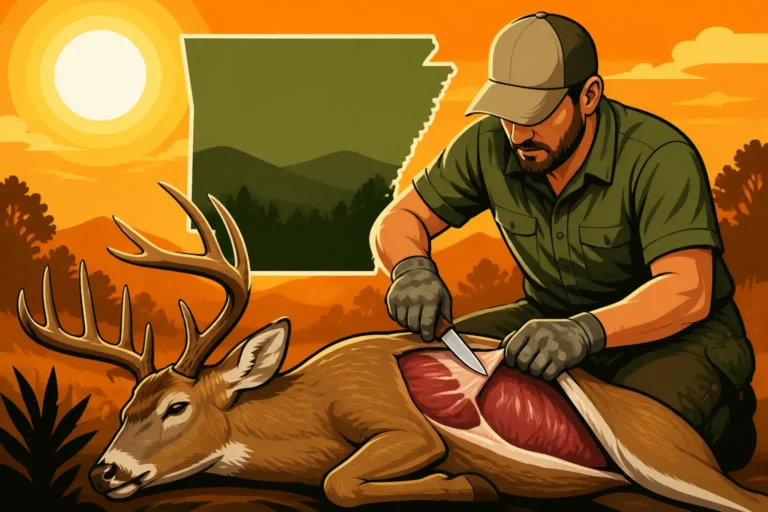
Once the deer is recovered, the real work begins, but it's another chance for invaluable teaching. Field dressing is an essential skill, and involving your young hunter, even in a small way, teaches them about the entire process of hunting and respecting the animal. Explain why you're doing it: to cool the meat quickly and prevent spoilage. Demonstrate the proper technique for removing entrails, always emphasizing cleanliness and safety with the knife. If your young hunter is old enough and comfortable, let them assist with holding legs or pulling organs while you guide them.
Arkansas's climate, especially during early youth seasons, can still be warm. Rapid cooling of the carcass is critical to preserve the quality of the meat. If the temperatures are high, immediately after field dressing, you might consider packing the cavity with ice or, if feasible, getting the deer to a processor or cooler as quickly as possible. For detailed advice on how to handle a deer in warmer conditions, consult Field Dressing in Arkansas Heat. Once field-dressed, the deer must be properly tagged with the physical tag from your license and checked with the AGFC.
Transporting the deer safely and legally is the next step. Ensure the deer is secured in or on your vehicle, and that the tag is clearly visible. This demonstrates respect for the animal and adherence to regulations. Explain to your young hunter that this entire process – from the shot to the field dressing and transport – is part of the hunting experience and the responsibility that comes with it. This holistic approach reinforces the ethics and commitment involved in harvesting an animal.
Post-Hunt Responsibilities and Sustaining the Passion
A successful hunt doesn't end when the deer is down. There are crucial steps that follow, and these too offer valuable lessons for young hunters, solidifying their understanding of conservation and responsible outdoor stewardship.
Checking and Reporting Your Harvest
Once your young hunter has harvested a deer, the first and most critical responsibility is to check it in with the Arkansas Game and Fish Commission. This isn't just a bureaucratic formality; it's a vital part of wildlife management. The AGFC uses this data to track harvest numbers, monitor deer populations, and make informed decisions about future seasons and bag limits. It's an important lesson in contributing to the greater good of conservation. You can check a deer using the AGFC's mobile app, calling a toll-free number, or online via their website. The process is straightforward, requiring information such as the hunter's license number, date of harvest, county, species, and sex of the deer. For all the specific details on this process, make sure to read Arkansas Deer Checking and Tagging.
Explain to your young hunter why this step is so important. Show them how their individual harvest contributes to the overall picture of the state's deer herd. This helps them understand that hunting is not just a recreational activity, but a managed process that directly supports healthy wildlife populations. It reinforces the idea that hunters are an integral part of conservation efforts, actively participating in the responsible management of natural resources.
Processing and Enjoying the Harvest
With the deer successfully checked, the next step is processing the meat. This can be approached in a couple of ways: doing it yourself or taking it to a professional deer processor. If you're comfortable with butchering, involving your young hunter in the process, even for simple tasks like bagging meat or grinding hamburger, is incredibly educational. They'll see firsthand how the animal is transformed from a whole carcass into healthy, organic food for the table. This deepens their connection to the harvest and reinforces the concept of utilizing the entire animal. If you opt for a commercial processor, explain the process and why people choose that option.
The ultimate reward is enjoying the fruits of their labor. There's nothing quite like gathering around the dinner table and sharing a meal made from an animal that your young hunter helped harvest. Cook up some venison backstrap, grill some ground venison burgers, or make a hearty chili. Our guide to Best-Eating Game in Arkansas has some fantastic ideas to make that venison truly shine. Sharing these meals with family and friends creates lasting memories and reinforces the value of their hunting experience. It demonstrates the tangible benefits of hunting and connects them to a tradition that spans generations.
Nurturing a Lifelong Love for Hunting
The youth hunt is just one chapter in a potentially lifelong story of outdoor adventure. Once the season is over and the freezer is stocked, take the time to reflect on the experience with your young hunter. Talk about what went well, what could be improved, and what they learned. Celebrate their efforts, their patience, and their respect for the animal, regardless of whether they harvested a deer. The true measure of success isn't always a full tag, but a full heart and a deeper appreciation for nature.
To keep the flame alive, plan future outings that aren't necessarily focused on deer hunting. This could include small game hunting for squirrels or rabbits, fishing trips, shed hunting in late winter, or simply going for hikes to observe wildlife. Continue to teach them about conservation, habitat management, and the role hunters play in protecting wild places. Encourage them to read about wildlife or watch educational documentaries. Utilizing resources like the AGFC website and mapping tools like GoHunt can help you plan these diverse adventures and stay informed about future seasons and regulations. By consistently nurturing their curiosity and involvement in the outdoors, you're not just creating a hunter; you're cultivating a lifelong conservationist and an individual who deeply values the natural world.
Disclaimer
Please remember that hunting regulations, season dates, and license requirements in Arkansas can change. Always consult the most current Arkansas Game and Fish Commission (AGFC) regulations and proclamations before planning any hunt. This guide is for informational purposes only and should not be considered a substitute for official AGFC documentation. Ensure all applicable safety guidelines are followed.