Hunting Timber on a Bluebird Day
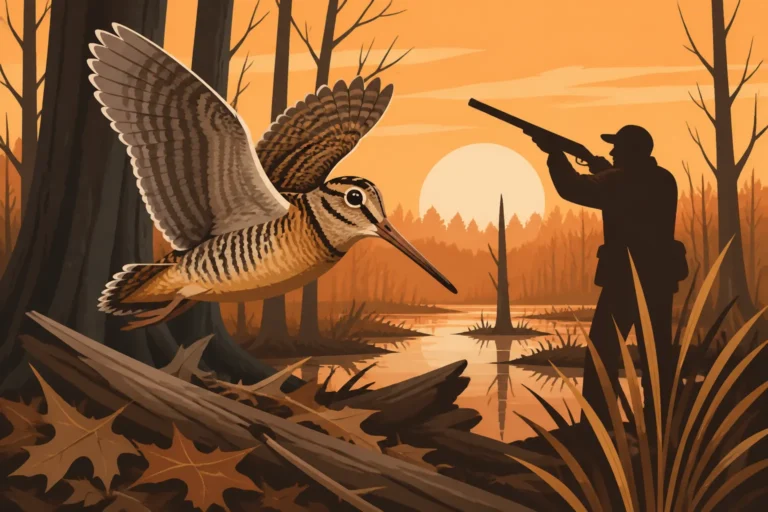
There's nothing quite like waking up before dawn, the crisp air biting at your cheeks, knowing you're about to slip into flooded timber for an Arkansas duck hunt. But then you see it – a clear, cloudless sky, sunlight already starting to filter through the bare branches. A "bluebird day." Every waterfowler in Arkansas has felt that familiar sinking feeling, knowing that these beautiful, high-pressure days often mean ducks that are wary, lock-jawed, and seem to vanish into thin air. This guide is all about tackling those notoriously tough conditions in the flooded timber, offering strategies to turn a frustrating hunt into a successful one.
Understanding the Challenge of Bluebird Days in Arkansas Timber
Bluebird days, characterized by clear skies, light winds, and often higher atmospheric pressure, are universally dreaded by duck hunters. While beautiful to look at, these conditions fundamentally change duck behavior, making them incredibly challenging to decoy and call. It's not just a mental game for us; it's a real shift in how the birds operate.
The Impact of High Pressure and Clear Skies
When a strong high-pressure system moves in after a cold front, it sweeps out the low, dark clouds and often brings calm winds. Ducks, especially mallards that are smart from weeks or months of being hunted, feel this shift. The increased visibility under clear skies makes them more skittish and prone to spotting hunters or anything out of place from a greater distance. Think about it: on a cloudy, drizzly day, the world is muted, and sounds and sights don't carry as far. On a bluebird day, everything is sharper, clearer, and far more exposed. Ducks have an almost uncanny ability to sense this change, and it puts them on high alert. They’ve seen every spread and heard every call under these conditions before, making them incredibly difficult to fool.
How Ducks React to Bluebird Conditions
Ducks on bluebird days tend to behave differently than they do on dreary, active weather days. Instead of actively flying between feeding and resting areas, they often become "loafers." They might sit on protected stretches of water, hidden in thick cover, or simply fly much higher and wider, scouting for truly undisturbed spots. Their flight patterns become less predictable, and their urgency to feed or move is greatly reduced. They might only make a few trips out to feed early in the morning or late in the afternoon, spending the majority of the day resting. This means fewer opportunities for hunters and requires a completely different approach. They’re less likely to commit to a spread and are more apt to circle endlessly, scrutinizing every detail. Understanding Why Mallards Use Flooded Timber helps, but on these days, they use it with extreme caution.
Why Your Usual Tactics Fail
The aggressive calling and large, active decoy spreads that work wonders on cloudy, blustery days become liabilities on bluebird days. If you’re blowing a highball and running a dozen spinning wing decoys under a clear sky, you're essentially broadcasting "human hunters here!" to every wary mallard within a mile. Ducks become extremely sensitive to movement and unnatural sounds. They’ve been hunted all season, often since the Arkansas Duck Season Dates began back in November, and they’ve learned what those aggressive tactics signify. Their wariness is at an all-time high, and they've seen it all. If your setup screams "hunting blind," they'll flare off before they ever get within shooting range, often without you even realizing they were there until they're long gone. It's a frustrating reality, but recognizing this is the first step toward adapting.
Strategic Adjustments for Timber Hunting on Bluebird Days
When the sky is clear and the ducks are quiet, it's time to put away the playbook for "normal" conditions and embrace a more subtle, stealthy approach. This is where patience, observation, and a willingness to break from tradition truly pay off.
Scouting for Roosting and Loafing Areas
On bluebird days, ducks will often gravitate towards the most sheltered, quiet, and naturally attractive spots. These aren't necessarily the major feeding holes but rather dense, secluded timber pockets where they can feel safe. Think about areas with a thick canopy that provides overhead cover from aerial predators (and watchful eyes) or sections of timber with dense undergrowth that breaks up outlines. Pay close attention to subtle signs like droppings on logs, feathers, or disturbed mud, indicating recent activity. Tools like GoHunt can be invaluable here, as you can use its satellite imagery and topographic maps to identify dense timber blocks, sloughs, and hidden pockets that might offer that extra layer of security. This kind of detailed Scouting Arkansas Public Land Before Season is crucial, but it's even more important for these specific conditions. Don't just look for where they feed; look for where they rest.
Minimizing Movement and Noise
This cannot be overstated: ducks on bluebird days are laser-focused on anything out of the ordinary. Every rustle of leaves, every whispered conversation, every fidget in the blind can send them flaring. Hunters need to become statues. Once you’re in your spot, remain absolutely still. Position yourselves so that your back is against a large tree, breaking up your outline. Use natural cover to your advantage, even if it means sitting in slightly less comfortable positions. Your Entry Routes Through Flooded Timber should be planned with absolute silence in mind. Avoid splashing water, breaking branches, or making any unnecessary noise during your entry and while you're set up. This might mean getting into your spot much earlier than usual, sitting in the dark for a longer period, allowing the woods to settle down around you before shooting light. Even the glint of sunlight off a gun barrel can spook birds, so ensure everything is dulled and concealed.
Decoy Spreads for Stale Ducks
Forget the flashy, active spreads you might run on a windy, overcast day. For stale ducks on bluebird days, less is often more. Your goal isn't to create a huge, inviting party but a small, natural-looking group of contented ducks.
- Small and Realistic: Use a smaller spread, perhaps 6-12 decoys at most, featuring mostly mallards with a few wood ducks if they're common in your area. Avoid over-using spinning wing decoys, as their unnatural flash can look suspicious on a clear day. If you use one, place it far from the main spread, perhaps partially concealed, and use it sparingly.
- Tight and Natural: Set your decoys in a tight, natural-looking cluster, as if they’re resting peacefully. Don't spread them too far apart; ducks on bluebird days often huddle together. Consider placing a few on logs or stumps if the water allows, mimicking loafing birds.
- The Landing Zone: Leave a clear, inviting landing zone directly in front of your position, ideally with no decoys blocking the path. Ducks will scrutinize this landing zone, so make it look as natural and undisturbed as possible. Think about the sun's angle – ducks prefer to land into the sun if possible, making it harder for them to see you. Positioning your decoys with this in mind can sometimes make a difference. Check out our advice on Setting Decoys in Timber Holes for more specific patterns.
| Aspect of Hunt | Typical Overcast Day | Bluebird Day in Timber |
|---|---|---|
| Calling | Aggressive, varied, loud | Soft, minimalist, contented |
| Decoy Count | 1-3 dozen, active | 6-12, tight, subtle |
| Motion Decoys | Multiple spinners, jerk cords | One spinner (sparingly), light jerk cord |
| Hunter Noise | Moderate conversation, some movement | Absolute silence, minimal movement |
| Blind/Cover | Standard, somewhat forgiving | Maximum concealment, broken outline |
| Target Area | Major feeding/flyway | Secluded roosting/loafing areas |
Calling Techniques and Decoy Considerations
Your voice and your decoys are your primary tools, and on a bluebird day, they need to be wielded with extreme finesse. Aggression will simply scare birds away.
Soft Calling and Minimalist Approaches
On bluebird days, calling should be incredibly soft and subtle. Forget the loud hail calls and rapid-fire comeback calls. Instead, focus on quiet greeting calls, soft clucks, and contented feeding chuckles. Your goal isn't to grab their attention from afar, but to offer reassurance to birds already in the vicinity that your hole is a safe, peaceful spot. If ducks are circling high, a very soft, drawn-out greeting call might just be enough to turn their heads, but don't overdo it. Once they commit, or even look like they might commit, go silent or offer only the softest clucks. How Timber Calling Differs From Open Water is crucial knowledge here; in the tight confines of timber, sound carries differently, and subtle notes are often more effective than loud ones, especially when ducks are wary. Practice your soft calls beforehand; it’s harder than it sounds.
Motion Decoys and Their Role
While a fleet of spinning wing decoys can be detrimental on a bluebird day, a single, strategically placed motion decoy can sometimes make a difference. Think subtlety. A jerk cord, lightly pulled to create gentle ripples, can add lifelike movement without the flashy, unnatural spin. If you use a spinning wing decoy, consider putting it on a timer or only turning it on for short bursts to catch attention, then turning it off. Alternatively, place it further out from your main spread, perhaps partially obscured by trees, to create the illusion of a single, active bird rather than a full flock. The key is natural movement, not flashy advertising. A good mapping app like GoHunt can help you visualize where to place a subtle motion decoy to maximize visibility from common flight paths while minimizing its impact on the rest of your natural-looking spread.
Reading Duck Behavior and Making In-Hunt Adjustments
The most critical skill on bluebird days is the ability to read the ducks and adjust your tactics accordingly. Are they circling wide and high, never dropping below the treetops? Your calling might be too loud, or your spread too aggressive. Are they cupping their wings but flaring off at the last second? They’re seeing something they don’t like in your blind. Pay attention to how they approach. If they’re looking at a specific part of your spread or a particular patch of water, try to understand why. If they’re completely ignoring your calls, stop calling and let the silence work. If they're working a different area of the timber, sometimes it's better to reposition entirely rather than try to pull them across. This constant observation and willingness to adapt, even mid-hunt, is what separates a successful bluebird timber hunter from a frustrated one. It's a testament to the fact that every hunt is a learning experience, even after many years of Green Timber Duck Hunting in Arkansas.
The Mental Game and Persistence
Hunting on bluebird days can test even the most seasoned hunter's patience. The slow pace, the quiet woods, and the often-minimal duck activity can be disheartening. But success often comes down to mental fortitude as much as strategy.
Managing Expectations
First and foremost, adjust your expectations. On a bluebird day, a limit of mallards is a rare feat. A single bird, or even just calling in a few pairs, can be considered a success. If you go into the hunt expecting a nonstop barrage of ducks, you'll likely leave disappointed and frustrated. Embrace the quiet beauty of the timber. Enjoy the camaraderie with your hunting partners, if you have them. Focus on the small victories, like making a difficult call to turn a wary pair, or simply enjoying the peacefulness of nature. This isn't about filling the strap; it's about the challenge and the experience. Remember that even on tough days, you're building valuable experience that will help you on future hunts, helping you understand Mallard Numbers Wintering in Arkansas and how they react to pressure.
When to Stay and When to Move
This is a tricky one, and there's no hard and fast rule. On bluebird days, ducks will often fly very little during the middle of the day, preferring to sit tight. Sometimes, the best strategy is to sit patiently in your chosen hole, waiting for those brief windows of activity early morning or late afternoon. However, if you've been sitting for hours without seeing a single duck, and you know there are other, more secluded pockets of water nearby, it might be worth a slow, silent move. This is where your pre-scouting and knowledge of the area come into play. If your Setting Up on a Canopy Opening isn't working, maybe a thick, darker hole is a better bet. A quick check on your GoHunt app might reveal a nearby slough you overlooked that offers even more cover. The decision to move should be based on observation and intuition, not just impatience. If you do move, do it slowly, silently, and with the utmost stealth to avoid blowing out any birds you might not even know are there.
Learning from Each Hunt
Every bluebird day hunt, whether successful or not, offers valuable lessons. Take notes, either mentally or physically. What worked? What didn't? Did a particular calling sequence get a reaction? Did the ducks flare off a certain part of your spread? Was your concealment adequate? Pay attention to the subtle differences in duck behavior: where they prefer to sit, their flight paths, and their reactions to changes in light and wind. This continuous learning process is what makes you a better duck hunter. The ducks are constantly adapting to hunting pressure and changing conditions, and so should we. By embracing the challenge of bluebird days, you're not just enduring a tough hunt; you're honing your skills and deepening your understanding of these incredible birds. You'll be able to apply these lessons throughout Bowhunting Arkansas's Five-Month Archery Season, deer seasons, and beyond, truly mastering the subtle nuances of Arkansas hunting.
Disclaimer
Hunting carries inherent risks, and conditions can change rapidly. Always prioritize safety, adhere to all Arkansas Game and Fish Commission regulations, and be aware of your surroundings. This information is for educational purposes and should not be considered a substitute for personal research, professional guidance, or strict adherence to local hunting laws.