Running Beagles on Arkansas Cottontails
For many Arkansans, the crisp morning air, the excited bawl of a beagle, and the thrill of a rabbit breaking cover is a deeply cherished tradition, but actually finding those elusive cottontails and knowing how to work your dogs effectively across diverse Arkansas terrain can be a real challenge. This guide will walk you through everything you need to know about running beagles on Arkansas cottontails, from understanding their habitat to mastering hunting tactics and staying safe in the field.
Understanding Arkansas Cottontails and Their Habitat
Arkansas is a fantastic state for rabbit hunting, primarily due to its diverse landscapes that offer ideal habitat for cottontails. However, not all areas are created equal, and understanding where these little dynamos prefer to live is the first step to a successful hunt. Knowing their preferred cover helps you narrow down your search and put your beagles on the right track.
Where Cottontails Live in Arkansas
Cottontails thrive in areas with dense, protective cover adjacent to food sources. Think about the fringes where two different habitats meet, what hunters often call "edge cover." In Arkansas, this can manifest in numerous ways across the state. In the Delta, you'll often find them in thickets around agricultural fields, especially where old fencerows are overgrown with briars, honeysuckle, and downed timber. These areas provide both escape routes and ample browse. Moving into the Ozarks and Ouachitas, you're looking at dense regeneration in Hunting Arkansas Cutovers and Clearcuts, particularly those 2-5 years post-logging, where young pines and hardwood sprouts create impenetrable tangles. River bottoms, with their thick undergrowth and brush piles, are also prime locations, offering sanctuary close to water and food. Even suburban fringes, where green spaces meet residential areas, can hold surprising numbers of rabbits if there's enough undisturbed cover.
It’s not just about any thick cover, though. Cottontails are homebodies, rarely venturing far from their preferred hiding spots. They need places they can duck into instantly to escape predators like coyotes, bobcats, and hawks. This means looking for a mosaic of cover – patches of briars, tall grasses, multiflora rose, fallen tree tops, and dense brush. A great strategy is to use mapping tools, like those available through GoHunt, to identify these varied habitat types before you even lace up your boots. These tools can highlight changes in vegetation density and potential transition zones that are otherwise invisible from the road, saving you valuable time in the field.
Rabbit Behavior and Evasion Tactics
Cottontails are masters of evasion, built for short, explosive bursts of speed and quick changes in direction. When a beagle first jumps a rabbit, it won't typically run in a straight line for miles like a deer. Instead, it will try to circle back to its home territory, often utilizing every piece of dense cover it knows along the way. They'll dive into briar patches that seem too thick for anything to enter, hunker down under fallen logs, or even disappear into old drain tiles. This circling behavior is what makes beagle hunting so engaging; the rabbit tries to lose the dogs, and the dogs, with their incredible scenting ability, try to untangle the line.
Understanding this behavior is key to positioning yourself for a shot. If your dogs are hot on a rabbit's trail, anticipate where that rabbit might try to cross an opening or circle back. Stand on a known rabbit run, near a break in the cover, or where two brush piles funnel game. Rabbits are most active at dawn and dusk, but on overcast or rainy days, they can be out and about throughout the day. In colder weather, they often seek out sunny slopes or dense evergreen cover to stay warm. Conversely, on hot days, they'll favor shady, damp areas. Pay attention to the weather conditions on the day you're hunting, as it can greatly influence where rabbits will be holding tight.
The Joy of Beagle Hunting in Arkansas
There’s something truly timeless and deeply satisfying about hunting rabbits with a pack of beagles. It’s a hunt that engages all your senses, tests your patience, and celebrates the natural instincts of both hound and quarry. It’s not just about the harvest; it’s about the experience, the camaraderie, and the pure, unadulterated sound of the chase.
Why Beagles Are Perfect for Rabbits
Beagles were practically born for this job. Their compact size allows them to navigate the thickest briar patches and undergrowth that would stop a larger dog in its tracks. More importantly, their incredible noses are second to none when it comes to untangling the intricate scent trails left by a rabbit. A good beagle lives to hunt, exhibiting an unwavering enthusiasm and determination that is infectious. When they hit a fresh scent, their characteristic "bawl" or "chop" cry fills the air, sending shivers down your spine and signaling that the hunt is on. This vocalization is not just exciting; it's also practical, allowing hunters to track the dogs' progress even when they are out of sight in dense cover.
Beyond their natural abilities, beagles are also fantastic companions. They're generally good-natured, eager to please, and make wonderful family pets when not in the field. This dual role as hunting partner and family member makes them incredibly popular. Training beagles for rabbit hunting is often a natural progression; their instincts are strong, and with some consistent work, they quickly learn to work together as a pack, honoring each other's finds and driving the rabbit with a unified voice. The patience of watching a young pup learn the ropes, gradually developing its nose and voice, is a reward in itself, culminating in the joyous chaos of a full-fledged rabbit race.
The Thrill of the Chase
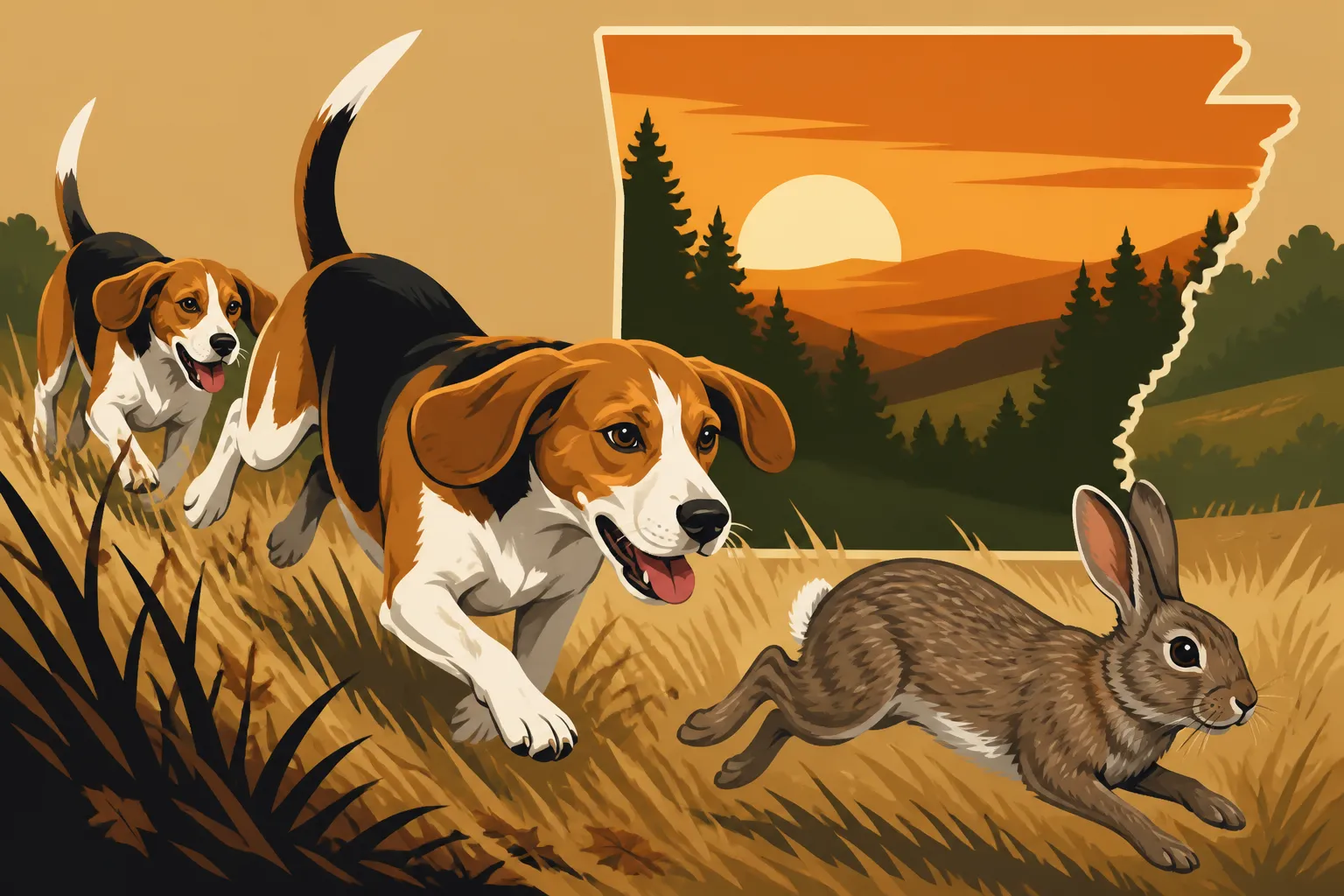
Nothing quite compares to the symphony of beagles in full cry, driving a rabbit through the brush. The baying and barking crescendo as they close in, then sometimes soften as the rabbit makes a tricky turn or ducks into a seemingly impenetrable tangle, forcing the dogs to work harder to regain the line. You stand there, heart pounding, listening intently, trying to predict the rabbit's next move. Will it sneak out the back of the brush pile? Will it circle wide or cut tight? Every moment is a test of your ears and your intuition.
Then, suddenly, you might catch a glimpse of the rabbit, a flash of brown and white darting through an opening. It’s a fleeting moment, often requiring quick reflexes, but the memory of that sight, followed by the continuing music of the hounds, is what keeps you coming back. The chase itself is the primary reward, far more so than the actual harvest. It's an immersive experience that transports you away from the daily grind, connecting you to a primal rhythm of the wild. Sharing this experience with friends or family, perhaps around a small campfire afterward, recounting the day's events, solidifies the tradition and builds lasting memories. This type of hunting offers a special kind of connection, both to the land and to your canine companions, fostering a deep appreciation for the outdoors.
Essential Gear and Preparations for a Successful Hunt
Heading into the Arkansas woods to chase rabbits with beagles isn't just about showing up with your dogs and a shotgun. Proper preparation, from the gear you carry to the conditioning of your dogs, can make all the difference between a frustrating day and a successful, enjoyable hunt. Safety and efficiency are paramount.
Key Equipment for Rabbit Hunters
First and foremost, you'll need the right clothing. Think tough, briar-resistant brush pants or chaps, a durable long-sleeved shirt, and a good hunting vest, preferably in Arkansas Hunter Orange Requirements for visibility. You’re going to be pushing through some serious thorns and thickets, so protection is key. Sturdy, waterproof boots are non-negotiable, as you’ll likely encounter damp ground, mud, and possibly even shallow water. A good shotgun, typically a 12 or 20 gauge, loaded with small shot (like 6 or 7.5), is the standard. Carry extra shells, water for yourself and your dogs, and a small first-aid kit for both humans and canines. A game vest with a large pouch is incredibly useful for carrying harvested rabbits.
For your beagles, GPS collars are an absolute game-changer. Brands like Garmin's Alpha or SportDOG Tek series allow you to track your dogs in real-time, even when they're out of sight in dense cover or chasing a rabbit far afield. This prevents lost dogs and helps you understand their movements and how they're working the scent. Always have leashes for control when not actively hunting, and a whistle for calling them back. Remember that it's crucial to check local regulations concerning specific gear, such as ATV rules on Arkansas WMAs, if you plan to use an off-road vehicle for access to certain areas. A reliable knife and a small saw or clippers can also be handy for clearing shooting lanes or retrieving game from particularly dense cover.
Conditioning Your Beagles for the Field
Just like any athlete, your beagles need to be in good physical condition to perform effectively and safely in the field. Rabbit hunting is strenuous, involving hours of running, jumping, and pushing through tough vegetation. Before the season starts, gradually increase your dogs' exercise regimen. Regular walks, runs, and even short training sessions in light cover can help build their stamina. Pay attention to their paws; hardened pads are less prone to injury on rough terrain. If your dogs aren’t used to running on sharp briars, consider protective paw balm or even dog boots for particularly challenging environments.
Nutrition also plays a critical role. Feed your hunting dogs a high-quality diet appropriate for active breeds. During the season, they might require increased calories to maintain their energy levels. Beyond physical conditioning, it’s important to practice obedience commands like "come" and "kennel" regularly. A well-behaved dog is a safer dog, both for itself and for other hunters. Regularly spending time with your dogs in the type of cover you'll be hunting in can also help them mentally prepare, getting them accustomed to the sights, sounds, and smells of the rabbit woods. This groundwork ensures your dogs are not only ready to run but also ready to listen when it counts.
Tactics for Running Beagles on Arkansas Cottontails
Once you've got your gear and your well-conditioned beagles, it's time to put boots on the ground. Effective tactics involve more than just turning the dogs loose; it's about understanding the terrain, working with your pack, and prioritizing safety. Each hunt is a dynamic puzzle, and your ability to adapt will often determine your success.
Locating Prime Rabbit Cover
Finding the right spot is paramount. While scouting, look for those dense thickets, briar patches, and brush piles we discussed earlier. In the Arkansas Delta, these are often found along drainage ditches, old fencerows, and the edges of overgrown fields. In the Ozarks and Ouachitas, focus on areas of young timber regeneration, especially those created by recent logging operations. These "cutovers" provide excellent cover and food. Don't overlook abandoned farmsteads or old home sites, which often have neglected orchards or overgrown outbuildings that provide perfect rabbit habitat. When scouting, keep an eye out for fresh droppings or rabbit tracks in soft ground or snow, which are sure signs of recent activity. GoHunt and other mapping apps can be invaluable for identifying potential hotspots and property boundaries, especially if you're Scouting Arkansas Public Land Before Season.
Once you’ve identified a promising patch of cover, assess its size and shape. Smaller, more manageable patches are often easier to hunt effectively. With a larger area, plan your approach: where will the dogs enter? Where are the natural escape routes the rabbit might take? And most importantly, where should the hunters position themselves for clear, safe shots? You don't want to simply wander in; have a strategy for pushing the cover and anticipating the rabbit's movements. This might involve having a few hunters act as "blockers" on one side of a thicket while others work the dogs through the other side. This coordinated effort maximizes your chances and ensures safety by defining shooting lanes and positions.
Working Your Dogs Effectively
A successful beagle hunt relies on good teamwork between hunter and dog, and between the dogs themselves. When you first release your beagles, let them spread out and start working the cover. Avoid rushing them; allow them time to find a scent. Listen closely for their initial indications – a whimper, a tail wag, or a tentative bark that indicates they're on a cold trail. Once a rabbit is jumped, and the chase is on, your role is to listen and position yourself. Pay attention to the direction of the chase and the intensity of the dogs' barking. As the sound shifts, move to intercept the rabbit, always keeping safety in mind.
One common frustration is when a rabbit "holes up" or goes underground. While frustrating, it's part of the game. Teach your dogs to bark at the hole, signaling to you where the rabbit has gone. Don't dig for game; it's generally unethical and often illegal. Instead, move on to the next patch of cover. If your dogs lose a trail, give them time to work it out. Good beagles will circle, trying to find where the rabbit doubled back or made a tricky jump. Trust their noses, but if they are truly stumped after a reasonable amount of time, it might be time to move them to a new area to refresh their enthusiasm. Remember, you're a team, and clear communication, even non-verbal, is key.
Safety Considerations in the Field
Safety is non-negotiable, especially when hunting with dogs and multiple people in dense cover. Always wear adequate hunter orange, making yourself highly visible to other members of your hunting party. Communicate clearly about your positions, especially when moving. Before each hunt, establish safe shooting zones and directions. Never shoot at a sound or a flash of movement; always identify your target clearly. Be aware of your surroundings, including terrain features, roads, and any potential hazards.
Additionally, consider the safety of your dogs. Their GPS collars are not just for tracking; many also have e-collar functions that can be used for communication and control in emergencies (like steering them away from a road). Check your dogs frequently for briar cuts, ticks, or other injuries, especially after pushing through heavy cover. Carry a small dog first-aid kit with antiseptic wipes, tweezers for thorns, and bandages. Be mindful of dehydration, especially on warmer days, and ensure your dogs have access to fresh water throughout the hunt. If you're hunting on Arkansas Wildlife Management Areas, familiarize yourself with any specific rules they might have regarding dog use or firearm types. Adhering to these safety protocols ensures that everyone, human and hound, can enjoy the hunt responsibly.
Seasons, Regulations, and Conservation in Arkansas
Responsible hunting means knowing and respecting the rules that govern our sport. In Arkansas, the Game and Fish Commission (AGFC) sets the seasons and limits for small game, including cottontails, to ensure sustainable populations for future generations. Understanding these regulations is a crucial part of being an ethical hunter.
Arkansas Rabbit Season Dates and Limits
The rabbit season in Arkansas typically offers a generous window, often running from early September through late February. This allows hunters ample opportunity to pursue cottontails through various conditions, from the warmer early season to the colder, often snowier, late season. Bag limits are usually quite liberal, reflecting the robust nature of rabbit populations when habitat is suitable. It's common for the daily bag limit to be around 8 rabbits per hunter, with a possession limit of twice the daily bag.
However, these dates and limits can change annually, so it is absolutely essential to check the latest AGFC hunting guide before planning your hunt. You can find this information on the AGFC website or pick up a physical copy wherever hunting licenses are sold. The guide will also specify any particular regulations that apply to Small Game Seasons and Limits on specific Wildlife Management Areas (WMAs) or other public lands. For example, some WMAs might have different access rules or dates that vary from statewide regulations. Always know exactly When Arkansas Rabbit Season Runs and abide by all local rules.
Ethical Hunting Practices and Habitat Stewardship
Beyond simply following the rules, ethical hunting means practicing good sportsmanship and being a steward of the land. This includes respecting private property by always obtaining permission before hunting on private land – or using services like GoHunt to confirm property boundaries on public land. It also means only taking clean, ethical shots to ensure a quick and humane harvest, and only taking what you can reasonably use. Waste of game is never acceptable.
Conservation efforts are also vital for maintaining healthy rabbit populations. Rabbits thrive in early successional habitats – those areas of young, regenerating plants that emerge after disturbances like logging, prescribed burns, or agricultural practices. Support land management practices that promote this type of habitat, whether through advocating for specific WMA management plans or participating in habitat improvement projects on private land. Leaving cover unmolested in critical areas, such as winter food plots or dense bedding areas, can also contribute to the overall health of the local rabbit population. By being mindful of both the regulations and the environment, we ensure that the tradition of running beagles on Arkansas cottontails can continue for generations to come.
Comparison of Common Rabbit Habitats
Understanding where rabbits thrive helps you focus your efforts and maximize your chances of a successful hunt. Different habitats offer varied challenges and opportunities for both hunters and their beagles.
| Habitat Type | Typical Location in Arkansas | Key Characteristics | Rabbit Density | Beagle Workability | Hunter Strategy |
|---|---|---|---|---|---|
| Overgrown Fencerows | Delta, Farm Country | Briars, honeysuckle, downed trees, edge cover | High | Good | Walk parallel to the fence, anticipate circles. |
| Cutovers/Regeneration | Ozarks, Ouachitas, Piney Woods | Dense young trees, hardwood sprouts, brush piles | Moderate to High | Difficult to Good | Push slowly, listen intently, stand on logging roads. |
| River Bottom Thickets | Major River Drainages | Willow, buttonbush, dense undergrowth, sometimes wet | High | Moderate | Watch for runs along sloughs, prepare for wet feet. |
| Abandoned Farmsteads | Rural areas statewide | Old orchards, fallen buildings, overgrown gardens | Moderate | Good | Thoroughly work all structures and dense patches. |
| Briar Patches/Honeysuckle | Statewide | Impenetrable tangles, often near open fields | Very High | Difficult | Focus on edges, use dogs to push rabbits into openings. |
Disclaimer
Hunting is an inherently dangerous activity. This guide is for informational purposes only and does not supersede local, state, or federal laws and regulations. Always refer to the latest Arkansas Game and Fish Commission regulations and seek appropriate training and safety instruction before participating in any hunting activity. The user assumes all risks associated with hunting.