Arkansas Archery Deer Season Structure
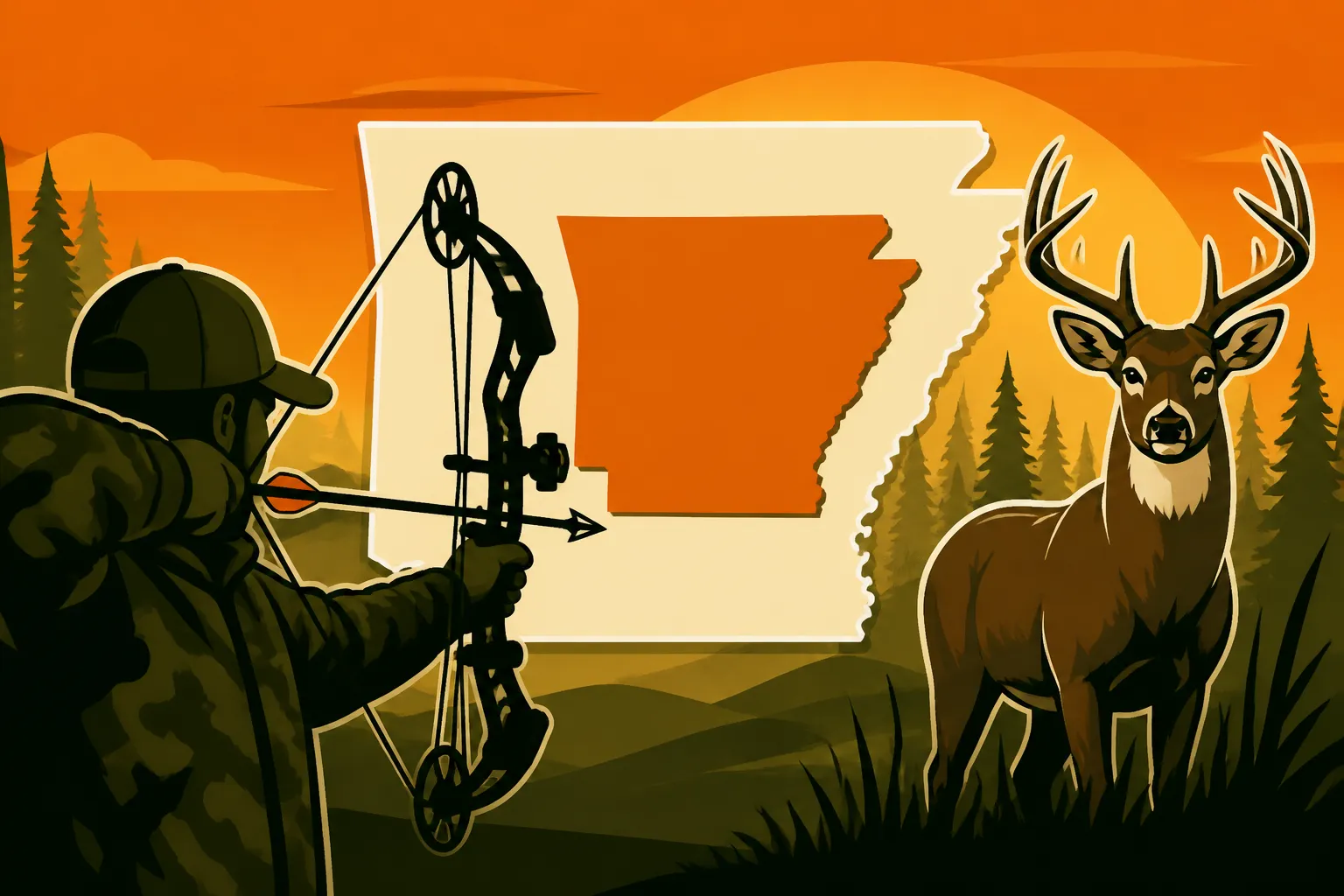
The crisp snap of a twig underfoot, the thrum of a bowstring, the quiet patience of waiting – there's something truly special about chasing white-tailed deer with archery gear in Arkansas. But for many, especially those new to the state or just getting into bowhunting, the sheer length and varying regulations of Arkansas's archery deer season can feel like a tangled mess of dates, zones, and rules. It's easy to get lost in the details and miss out on prime opportunities. This comprehensive guide is here to untangle all that, laying out the structure of the Arkansas archery deer season so you can confidently plan your hunts from the early days to the very end.
The Broad Strokes of Arkansas's Archery Season
Arkansas bowhunters are truly blessed with one of the longest archery seasons in the nation, stretching from late September well into the following February. This incredible duration offers a multitude of hunting experiences, from the sweltering heat of early fall to the bone-chilling cold of late winter. It's a marathon, not a sprint, and understanding this overarching timeline is crucial to success.
A Generous Timeline for Bowhunters
The Arkansas archery deer season typically kicks off in the last week of September and, depending on the zone, can run all the way through February. That's a five-month window, folks! This isn't just a few weeks; it's an entire season of possibilities, allowing hunters to experience deer behavior through different phases of the year. From the tail end of summer patterns to the lean times of deep winter, you'll encounter deer in various states of activity, feeding habits, and social structures.
Think about it: you can scout in late summer, hang stands before the leaves drop, hunt the early season, brave the peak rut, and even chase late-season survivors. This extended season means you don't have to cram all your hunting into a couple of weekends. You can truly become a student of the deer, observing how their patterns shift with the changing calendar and weather. It also provides flexibility, which is a huge benefit for anyone juggling work, family, and other commitments. If one weekend gets rained out, or life throws a curveball, you know there’s always another chance. You can truly immerse yourself in the experience of Bowhunting Arkansas's Five-Month Archery Season without feeling rushed.
Why Archery Gets the First Crack
There's a reason archery season always opens first, often several weeks before modern gun or even muzzleloader seasons. The Arkansas Game and Fish Commission (AGFC) structures the season this way to provide a low-impact hunting opportunity before the general firearms pressure begins. Bowhunting, by its very nature, demands close encounters and relies on stealth, precision, and a deep understanding of deer movement. It’s less disruptive to deer patterns than the widespread pressure of modern gun season.
This early start gives bowhunters a unique advantage: they are often pursuing deer that haven't yet been heavily pressured by human activity. Bucks might still be in their predictable summer patterns, hitting food sources consistently, and less wary of human scent or sound. It’s a precious window to intercept mature deer before they go completely nocturnal or change their home ranges due to hunting pressure. This allows for a truly primitive and immersive hunting experience, focusing on woodsmanship and a quiet approach. For those who truly love the challenge, it’s the purest form of deer hunting.
Decoding the Early Archery Season Challenges
The early archery season in Arkansas presents both unique opportunities and significant hurdles. While you're getting the first crack at deer, you're also often battling hot weather and deer that are still in their summer patterns, which can sometimes be more challenging to predict.
The Initial Buck-Only Archery Window
One of the most important aspects of the early archery season is the specific restrictions that apply during the very first few days. Generally, the first three days of the statewide archery season are designated as "buck-only" days across most zones. This is a critical detail that many new hunters overlook, potentially leading to violations. During this initial period, hunters may only harvest antlered bucks, and only those that meet the specific antler regulations for their hunting zone – often meaning a buck with at least three points on one side or a 15-inch main beam.
This early buck-only window, often referred to as The Three-Day Early Buck-Only Archery Hunt, is designed to give a specific advantage to bowhunters targeting mature bucks while limiting the overall impact on the deer herd right out of the gate. It's a strategic move by the AGFC to manage herd dynamics and provide quality hunting. It means you need to be extra diligent with your target identification. No "if it's brown, it's down" during these first few days. You really need to be sure of your shot and your target. Missing out on the antlerless opportunities initially can be frustrating, but it emphasizes quality over quantity in the season's infancy.
Dealing with September Heat and Deer Behavior
When the archery season opens in Arkansas, especially in September, it's often still summer. We're talking daytime temperatures in the 80s and even 90s, with humidity to match. This sweltering heat dramatically impacts deer behavior and, by extension, your hunting strategy. Deer will be largely nocturnal or crepuscular, moving mostly at dawn and dusk, and often sticking close to water sources. Their core activity during the day will be bedding down in thick, shady cover.
Hunting in this heat requires careful consideration of scent control, hydration, and meat care. Deer will be extremely sensitive to human odor, and warm temperatures mean your scent will linger and spread more easily. This is where meticulous scent elimination and playing the wind become paramount. Furthermore, successful early season hunters often focus on water sources like small ponds, creeks, or even seeps, as well as primary food sources (like acorns or agricultural fields) that deer will visit during cooler periods. Don't expect long, drawn-out midday hunts. Instead, focus on aggressive morning and evening stands. When you do harvest a deer, prompt field dressing and cooling are absolutely essential to preserve the meat, especially for Field Dressing in Arkansas Heat.
Navigating Mid-Season Opportunities and Rut Dynamics
As the calendar pages turn from September to October and November, the Arkansas archery season transitions into its most exciting phases. Temperatures drop, food sources change, and most importantly, the deer rut begins, offering bowhunters some of their best chances at mature bucks.
Expanding Opportunities as Seasons Progress
Beyond those initial buck-only days, the archery season generally opens up for antlerless deer harvest in most zones. This expanded opportunity typically coincides with cooler weather and increased deer movement, making it a favorite time for many bowhunters to fill the freezer. As more food sources become available, like falling acorns in the hardwoods, deer shift their patterns. White oak acorns dropping in October are like candy to deer, drawing them out into more predictable feeding patterns.
This mid-season period is also when deer start to transition from their summer bachelor groups to more solitary buck behavior, and younger bucks begin to spar. Understanding these changes, and adapting your scouting and stand locations, is key. Many hunters use mapping tools like GoHunt to scout new areas, identify potential acorn flats, or locate travel corridors between bedding and feeding areas. This time of year offers a fantastic blend of challenging hunting for mature bucks and ample opportunities for doe harvest, helping to manage the local deer population effectively. Knowing the exact Arkansas Archery Deer Season Dates is crucial for planning.
The Thrill of the Rut Across Arkansas Zones
The rut – that magical period of peak breeding activity – is arguably the most anticipated time for deer hunters. For Arkansas bowhunters, the beauty (and complexity) is that the rut doesn't happen uniformly across the entire state. Due to geographical and genetic factors, the peak rut can vary by several weeks, sometimes even a month or more, depending on which of the Arkansas deer zones you're hunting in.
In the Ozark and Ouachita regions, for instance, the rut typically kicks into high gear in early to mid-November, providing excellent opportunities for chasing bucks actively seeking does. In contrast, hunters in the Delta zones might see peak rut activity later, often in late November and sometimes even into December or January, particularly in the southern Delta. This means you need to pay close attention to the specific zone you're hunting to accurately pinpoint Hunting the Peak Rut Week in Arkansas or even Hunting the Delta Rut in January. During the rut, bucks abandon their cautious nature, moving more frequently during daylight hours and responding better to calling and rattling. This is when aggressive tactics like rattling antlers or using grunt calls can be incredibly effective, bringing a whole new level of excitement to your archery hunt.
Late Season Strategies and Closing the Archery Season
Even after the frenzy of the rut and the primary modern gun seasons, Arkansas's archery season continues, offering dedicated bowhunters some unique opportunities, albeit with new challenges. These colder, quieter months demand different strategies but can be incredibly rewarding.
Persistence in the Colder Months
As late season sets in, often after the modern gun season has concluded, deer behavior shifts dramatically. They are now primarily focused on replenishing lost energy and finding reliable food sources to survive the winter. The hunting pressure from gun seasons has also pushed many deer onto private lands or into the thickest, nastiest cover, making them harder to find. However, for the persistent bowhunter, this can be a fantastic time.
Deer will typically revert to more predictable patterns, often tied directly to calorie-rich food sources. Think standing crops like soybeans or corn in agricultural areas, green browse fields, or remaining acorns if you're lucky. Hunting over these limited, high-value food sources, especially during periods of extreme cold or snow, can be incredibly productive. It’s a game of patience and observation, finding those key feeding areas and setting up quietly. Deer are often more nocturnal during this period as well, so concentrating efforts on the first hour of daylight and the last hour before dark is usually your best bet.
Understanding Final Season Deadlines
The archery season, generous as it is, does eventually come to an end. In many Arkansas deer zones, the archery season extends into the very last day of February, providing a full five months of hunting. However, it's absolutely critical to confirm the exact closing dates for the specific zone you plan to hunt. These dates can sometimes vary slightly by zone, and knowing them ensures you don't inadvertently hunt out of season.
The table below provides a general overview, but always double-check the current year's AGFC regulations.
| Deer Zone Type | Typical Archery Season Start | Typical Archery Season End | Notes |
|---|---|---|---|
| Statewide General | Late September | Late February | Subject to zone-specific variations |
| Urban Archery | Early September | Early March | Extended season in designated urban areas |
| CWD Management Zone | Same as Statewide General | Same as Statewide General | Specific carcass transport rules apply |
| WMAs | Same as Statewide General | Same as Statewide General | May have additional permit or draw requirements |
Note: Always consult the current year's Arkansas Game and Fish Commission regulations for precise dates and rules, as these are subject to change annually.
This late-season extension offers a final opportunity to fill tags, especially antlerless tags that help manage herd numbers. It’s also a time when some of the biggest bucks, having survived previous seasons, might be encountered as they focus on feeding. Don't write off these late months; they can yield some incredible memories for the dedicated bowhunter.
Essential Regulations and Planning Your Archery Hunt
Successful and legal archery hunting in Arkansas requires a thorough understanding of the state's regulations, licenses, and specific zone rules. It’s not just about knowing when to hunt, but how and where.
License, Tags, and Mandatory Reporting
Before you even step foot in the woods with your bow, you need to ensure you're properly licensed and tagged. Every hunter, resident or nonresident, must possess a valid Arkansas hunting license. For deer, this typically includes a Sportsman's License for residents or a Non-resident Annual All Game/3-Day WMA Hunt Permit for visitors, along with a state deer tag or validation. Make sure you understand Arkansas Hunting Licenses and What They Cost before heading out.
Once you harvest a deer, the process isn't over. Arkansas has mandatory deer checking requirements. You must check your deer within 24 hours of harvest using the AGFC's online system, mobile app, or by calling their toll-free number. This is a critical step for game management, providing the AGFC with vital data on deer populations and harvest rates. Failing to properly check your deer is a violation, so always be diligent. Details on Arkansas Deer Checking and Tagging are readily available through AGFC resources. Keep your license and a means to check game (phone with the AGFC app, or a pen and paper with the phone number) on you at all times.
Zone-Specific Rules and the Three-Point Rule
Arkansas is divided into numerous deer zones, and each zone can have slightly different regulations regarding bag limits, season lengths, and antler restrictions. For bowhunters, understanding these zone differences is paramount. For example, some zones might have a more restrictive buck limit, or a different antlerless bag limit than others. Before planning any hunt, you need to know Which Arkansas Zone You Are Hunting and consult the current AGFC regulations for that specific zone.
One of the most impactful regulations for antlered deer in many parts of the state is the "three-point rule." This rule mandates that any antlered buck harvested must have at least three points on one side of its antlers, or a main beam length of at least 15 inches. The exact counties and zones where this rule applies can change, so always verify. The Arkansas Three-Point Rule is a quality deer management initiative designed to protect younger bucks and allow them to reach older age classes, leading to a healthier herd and more mature trophy opportunities. It requires careful judgment in the field, making positive identification crucial before drawing your bow. Using tools like GoHunt can help you understand these zone boundaries and locate public land within them for Scouting Arkansas Public Land Before Season. Always double-check your location, especially if you're hunting near a zone boundary, to ensure you're complying with the correct regulations.
Disclaimer
Please remember that hunting regulations, season dates, and license requirements in Arkansas are subject to change. Always consult the most current Arkansas Game and Fish Commission (AGFC) regulations and official publications before planning or engaging in any hunting activities. This guide is for informational purposes only and should not be considered a substitute for official AGFC documentation.