The Early Buck-Only Archery Dates
Navigating the myriad of deer hunting regulations in Arkansas can feel like trying to solve a puzzle in the dark, especially when specific seasons pop up with unique rules. For many of us, the early buck-only archery dates present a golden opportunity to get into the woods ahead of the crowd, but understanding exactly when and where you can chase those early season antlers is absolutely crucial. This guide is here to untangle the specifics of Arkansas's early buck-only archery season, ensuring you're informed and prepared for a successful hunt.
Understanding Arkansas's Early Buck-Only Archery Season
Arkansas offers an incredibly generous archery season, often stretching for five months, which is a blessing for dedicated bowhunters. But tucked into the beginning of that long season is a special, often misunderstood, early buck-only window. It's a strategic move by the Arkansas Game and Fish Commission (AGFC) designed to achieve specific deer management goals while giving archers an exciting head start. This early period isn't just about getting out there sooner; it comes with its own set of rules, dates, and opportunities that every hunter needs to grasp.
What "Buck-Only" Really Means for Archers
When the regulations say "buck-only," they mean exactly that: you are legally restricted to harvesting antlered deer. This isn't the time to fill your freezer with an antlerless deer tag, even if a perfect doe steps out at twenty yards. A legal buck in Arkansas, for most of the state, is defined as a deer with at least one antler that is 4 inches or longer, measured from the top of the skull to the tip of the antler. However, some specific zones might have the "three-point rule" in effect, which means a buck must have at least three points on one side. Always double-check your specific deer zone's regulations before heading out, especially during this early window. It's easy to get excited and make a mistake, and no one wants to find themselves on the wrong side of a wildlife violation. This early season is purely for the pursuit of antlered deer, so keep those doe calls in your pack for later.
Why the AGFC Implemented This Early Season
The Arkansas Game and Fish Commission is constantly working to balance hunting opportunities with responsible deer management. The implementation of the early buck-only archery season serves several key purposes. Firstly, it provides an extended recreational opportunity for bowhunters, giving them a chance to hunt when deer patterns are often more predictable before the pressure of modern gun season sets in. Secondly, it's a strategic tool for managing the buck-to-doe ratio and buck age structure within the herd. By limiting harvest to bucks early on, the AGFC aims to allow more does to survive the initial hunting pressure, ensuring reproductive success while still providing an opportunity for hunters to target mature bucks that might be exhibiting pre-rut or bachelor group behaviors. It's a careful dance to maintain a healthy, thriving deer population across the state, and this early season plays a vital role in that strategy. It also helps spread out hunting pressure, which can benefit overall herd health and hunter satisfaction throughout the broader Arkansas Archery Deer Season Structure.
Key Dates and Zones for the Early Archery Window
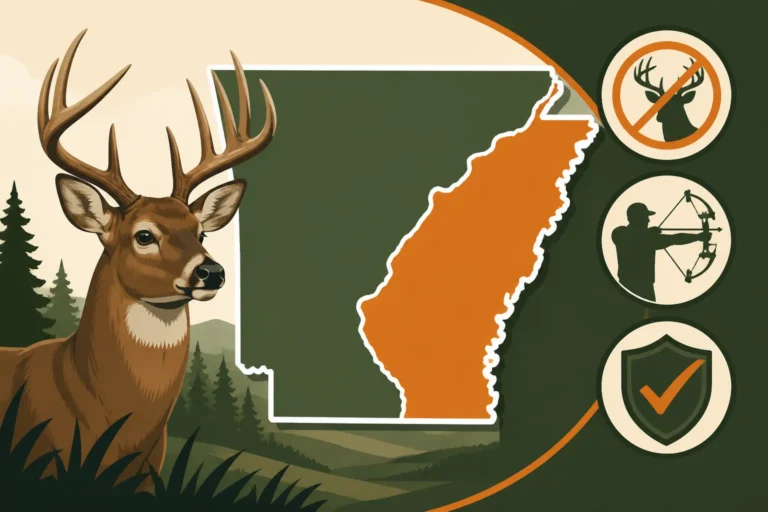
The early buck-only archery season typically kicks off on the Saturday nearest September 1st, offering a brief but exciting period exclusively for antlered deer. This initial window usually lasts just three days, from Saturday through Monday, before the general archery season opens up to include antlerless deer. However, it's absolutely critical to understand that these dates can vary slightly year to year, and the specific rules can differ by deer zone. For instance, while many zones observe this three-day buck-only period, others might have different start dates or antler restrictions.
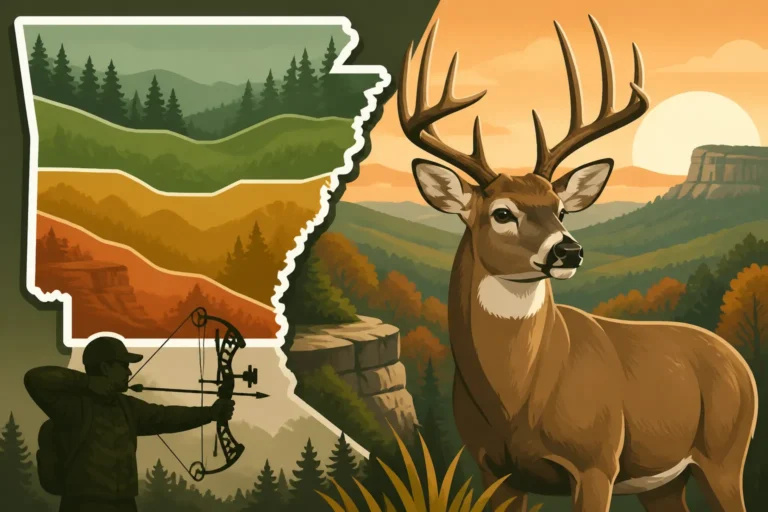
To illustrate, here's a general overview of how the zones typically break down for this specific early season:
| Deer Zone Grouping | Early Buck-Only Dates (Typical) | Legal Buck Definition (Most Common) | Special Considerations |
|---|---|---|---|
| Zones 1, 2, 3, 6, 7 | First Saturday in Sept (3 days) | One antler 4" or longer | Primarily Ozark/Ouachita |
| Zone 4, 5, 8, 9 | First Saturday in Sept (3 days) | One antler 4" or longer | Central/Western Delta |
| Zone 10, 11, 12 | First Saturday in Sept (3 days) | One antler 4" or longer | Southern/Eastern Delta |
Disclaimer: These dates are typical and can change. Always consult the current AGFC regulations before your hunt.
You really can't stress enough the importance of checking the latest AGFC regulations or using a reliable mapping app like GoHunt that updates with current season information for your specific hunting area. A detailed guide on When Arkansas's Archery Deer Season Opens can provide even more precise information.
Tactics and Strategies for the Early Archery Window
Hunting the early buck-only archery season in Arkansas means contending with unique conditions that are vastly different from the crisp, cool days of November. We're talking about residual summer heat, still-dense foliage, and deer that are often clinging to their summer routines. Successful tactics for this period revolve around understanding these factors and adapting your approach. It's not about forcing a rut-style hunt; it's about being patient, precise, and prepared for the conditions.
Targeting Bucks in Late Summer Patterns
During this early September window, deer are largely still in their late summer patterns. Bachelor groups of bucks might still be together, focusing heavily on food sources to put on the last bit of fat before the fall. Their velvet has usually shed by this point, and they're often still quite predictable in their movements between bedding and feeding areas. This is a time when observation, long before the season opens, can pay huge dividends.
Look for heavily used trails leading into agricultural fields like soybeans or corn, or natural food sources such as early dropping acorns, particularly white oaks. You might also find them frequenting mineral licks or watering holes more often due to the heat. Rather than trying to attract deer with calls, which are generally ineffective this early, focus on intercepting their natural movements. Consider morning hunts, as the deer might move earlier to avoid the mid-day heat, or evening hunts as they emerge from shaded bedding areas. Understanding Bowhunting Arkansas in September Heat is key to setting realistic expectations and employing effective strategies.
Dealing with Arkansas's Early Season Heat
Let's be honest, hunting in early September in Arkansas can be brutal. Temperatures can easily climb into the 80s or even 90s, with humidity that feels like you're breathing water. This isn't just uncomfortable; it impacts deer behavior and your own endurance. Deer will be seeking shade and water, often bedding down earlier and moving later in the evenings. They'll also be less active during the hottest parts of the day.
For hunters, this means prioritizing hydration above all else. Carry plenty of water, and consider electrolyte supplements. Dress in lightweight, moisture-wicking clothing that breathes. Sitting in a stand for hours in the heat can lead to fatigue and loss of focus. Plan shorter hunts, perhaps just the first few hours of daylight or the last few hours before dark. If you're physically fit, consider still-hunting very slowly during the cooler parts of the day, focusing on shaded creek bottoms or dense cover where deer might be holding tight. Keep in mind the importance of swift game recovery if you do make a shot; venison can spoil quickly in warm temperatures, so have a plan for Field Dressing in Arkansas Heat and cooling the meat.
Scouting and Stand Placement Specifics
Effective scouting is always important, but it's paramount for this early buck-only window. Since deer are still on their predictable summer patterns, finding those patterns before the season opens is your best bet. Use trail cameras extensively, focusing on primary travel corridors between known bedding areas and feeding sites. Pay close attention to changes in rubs or scrapes, although serious rut sign will be minimal at this stage.
When placing stands or ground blinds, think about shade and wind direction. The wind can be shifty in early mornings, and thermal currents might be at play, especially in hilly terrain. For example, in the Ouachitas, understanding Wind and Thermals in Ouachita Hollows can make or break your hunt. Aim for stand locations that offer good cover, allow you to approach and exit undetected, and are close to a well-used trail or pinch point. Because foliage is still thick, you might need to trim more shooting lanes than you would later in the season. Consider elevated positions like ladder stands or hang-ons that get you above the densest brush, especially when hunting Treestand Setups in Delta Hardwoods. Remember, deer might still be less wary of human scent than they will be during rifle season, but proper scent control is still non-negotiable.
Gear and Preparation for the Early Archery Hunt
Preparing for the early buck-only archery season isn't just about grabbing your bow and arrows. It requires a thoughtful approach to gear, accounting for the unique challenges of hunting in early fall Arkansas. From the clothes you wear to the tools you carry, every item should be chosen with the heat, humidity, and specific regulations in mind.
Essential Bowhunting Gear Considerations
Beyond your bow, arrows, and broadheads, there are several key items that really shine during this early season. First, your broadheads should be razor-sharp and thoroughly tested. With potentially thicker hides and less vital exposure due to denser foliage, a clean, ethical pass-through is paramount. A rangefinder is also non-negotiable for precise shot placement. Given the early morning and late evening movement, a good pair of binoculars, especially with low-light capability, will help you identify deer through the still-thick cover.
Consider bringing a lightweight, portable saw or pruners for last-minute shooting lane adjustments, as the woods will still be incredibly green and overgrown. A high-quality headlamp is essential for early morning walks in and late evening walks out, especially when navigating unfamiliar terrain. For safety, always carry a harness and lifeline if you're hunting from an elevated stand. Many experienced hunters also rely on mapping tools like those offered by GoHunt, which provide property boundaries, public land designations, and even real-time weather overlays crucial for planning your approach and knowing Scouting Arkansas Public Land Before Season.
Staying Hydrated and Comfortable
We talked about the heat, but let's dive deeper into comfort and hydration. A good hydration pack, rather than just a water bottle, allows you to carry more fluids and sip easily without making excessive movement. Look for packs with good insulation to keep your water cool. A cooling towel can be a game-changer, draped around your neck to provide instant relief. Lightweight, breathable clothing made from synthetic fabrics or merino wool is far superior to cotton, which retains moisture and can make you feel even hotter.
Don't forget bug spray! Mosquitoes, ticks, and gnats are still very active in early September. A thermacell can also be a fantastic addition to your stand setup, creating a bug-free bubble. Boots should be comfortable and well-broken in, but also waterproof, as morning dew or unexpected showers are common. Remember, discomfort can lead to distraction, and distraction can lead to missed opportunities or, worse, safety hazards.
The Importance of Scent Control
While the rut is still months away, and deer might not be as hyper-sensitive to human odor as they will be in November, effective scent control is still incredibly important. The heat and humidity mean you'll be sweating more, and that sweat carries a powerful human signature. Showering with scent-free soap, using scent-free deodorant, and washing your hunting clothes in scent-free detergent are foundational steps.
Beyond that, consider using a scent elimination spray before heading into the woods. Store your hunting clothes in airtight containers or bags, away from household odors like laundry detergent or pets. Even seemingly minor scents can travel far on a humid Arkansas morning. Some hunters even incorporate ozone-generating equipment into their routine. While not a magic bullet, a comprehensive scent control regimen increases your odds by minimizing anything that might give away your presence, allowing you to get closer to a wary buck.
Navigating Regulations and Checking Your Harvest
Successfully harvesting a buck during the early archery season is just part of the journey. The final, critical steps involve correctly navigating the regulations for tagging, checking, and understanding any CWD requirements. Overlooking these details can lead to fines and penalties, undoing all your hard work.
Understanding Zone-Specific Rules
Arkansas is divided into numerous deer zones, and while the general early buck-only season might apply statewide, specific antler restrictions or bag limits can vary by zone. Some zones, particularly those in the northern or western parts of the state, might have a "three-point rule" in effect, meaning a buck must have at least three points on one side of its antlers to be a legal harvest. Other zones might simply require one antler to be 4 inches long.
It's your responsibility as a hunter to know the specific rules for the zone you are hunting in before you step into the woods. The AGFC publishes a clear hunting guide each year, and resources like GoHunt or the AGFC's own website offer interactive maps and detailed regulations. Don't rely on assumptions or what you heard from a friend; verify the information yourself. Ignorance of the law is not an excuse. You can typically find detailed maps and descriptions in the Arkansas Deer Zones Explained section of the AGFC regulations.
Proper Tagging and Checking Procedures
Once you've successfully harvested a buck, the clock starts ticking for proper tagging and checking. Immediately after harvest and before moving the deer, you must attach your deer tag to the animal. This tag should be completely filled out with all required information. Each license holder typically receives a certain number of deer tags, and it's your responsibility to ensure you have a valid, unused tag available for the specific type of deer (antlered or antlerless) you harvested.
After tagging, the next step is to check your deer. In Arkansas, this can often be done conveniently online through the AGFC website or their mobile app. You'll need to provide information such as your license number, the date and time of harvest, the deer zone, and whether it was an antlered or antlerless deer. This process generates a confirmation number that you must retain. This crucial step contributes to the AGFC's data collection, which is vital for managing the deer herd and setting future regulations. For more in-depth information on the entire process, refer to Arkansas Deer Checking and Tagging.
CWD Considerations in Early Season
Chronic Wasting Disease (CWD) is a serious concern for deer populations and hunters in Arkansas. While not directly impacting the early buck-only aspect of the season, understanding CWD rules is paramount. Arkansas has designated CWD Management Zones where specific regulations apply. These can include restrictions on baiting, carcass movement, and mandatory CWD testing.
If you harvest a deer within a CWD Management Zone, you may be required to submit the head for CWD testing. Even if not mandatory, voluntary testing is highly encouraged. Furthermore, there are strict rules regarding the transport of deer carcasses, especially out of CWD zones or out of state. Generally, only deboned meat, clean skull plates, hides, and taxidermy products are allowed to be transported from CWD-positive areas. Familiarize yourself with the latest Arkansas CWD Rules and Carcass Transport to ensure you are compliant and helping to prevent the spread of this disease.
Disclaimer
The information provided in this guide is for general informational purposes only and is not a substitute for the official hunting regulations published by the Arkansas Game and Fish Commission. Hunting laws and regulations can change annually and by specific zone or circumstance. It is the responsibility of every hunter to consult and comply with the most current official AGFC hunting regulations before participating in any hunting activity.