Hunting the Arkansas Early Buck-Only Archery Days
There’s nothing quite like the crisp anticipation of early fall, even if "crisp" in Arkansas often still means sweating through your camo before the sun even thinks about rising. For many of us, the start of deer season feels like coming home, but those first few "buck-only" archery days can be a real head-scratcher. Deer are still operating on summer schedules, the heat is usually a brutal factor, and finding that mature buck before he completely changes his pattern can feel like a monumental task. This guide will walk you through understanding these unique early season challenges and equip you with the knowledge to make the most of your time in the woods, even when the thermometer is working against you.
Understanding the Early Buck-Only Archery Season
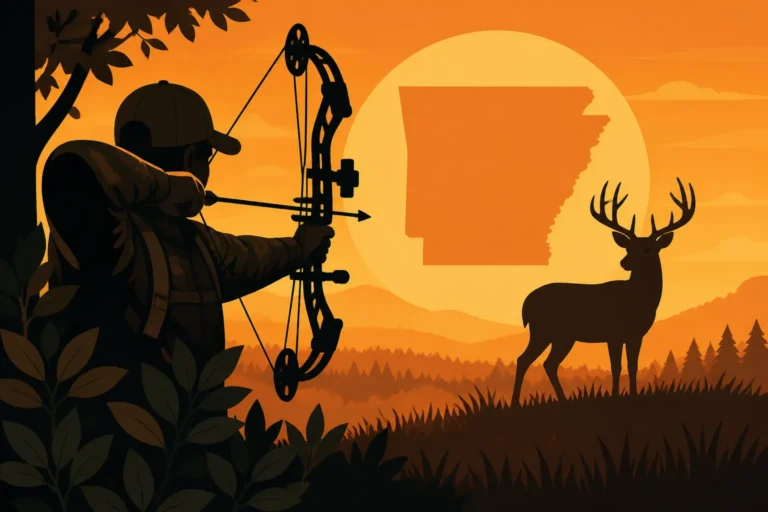
The Arkansas Game and Fish Commission (AGFC) has wisely structured our deer seasons to offer archers an early crack at a buck, often a few days before the full archery season opens up to antlerless deer. It’s a strategic move, designed to provide opportunities while managing the herd, and it can be a fantastic time to tag a solid deer if you approach it correctly.
What These Specific Dates Mean
These early buck-only days, sometimes referred to as the "pre-season," are generally a short window, perhaps just a long weekend, that precedes the broader archery season. It’s a unique opportunity because deer haven't yet faced significant hunting pressure. They're still relatively undisturbed, sticking to their summer patterns, which can be both a blessing and a curse. On one hand, if you've done your homework, a buck might be incredibly predictable. On the other hand, those summer patterns often involve nocturnal movements, especially for older, wiser deer. It's a chance to get into the woods and shake off the off-season rust, but it also demands a disciplined approach. You're trying to intercept a buck before he realizes he's being hunted, which means minimal intrusion and maximum stealth. You can learn more about the specifics of these dates in our guide on When Arkansas's Archery Deer Season Opens and how they fit into the larger Arkansas Archery Deer Season Structure.
Key Dates and Zone Considerations
Typically, the early buck-only archery season falls in late September, sometimes bleeding into early October, depending on the year and specific zones. It’s absolutely crucial to always double-check the current year's AGFC regulations because these dates can shift slightly. For instance, in some years, it might kick off the last Saturday of September and run through Monday. This short window is often statewide, but knowing your specific Deer Zone is always important, as bag limits and specific rules can vary by zone throughout the broader season. It’s not just about the when, but the where you're hunting too. Even if the buck-only period is uniform across zones, understanding the later season rules will help you plan your overall archery season. Our detailed breakdown of Arkansas Deer Seasons and Zone Limits can be an invaluable resource here, as well as specific information on The Three-Day Early Buck-Only Archery Hunt. Always, always consult the official AGFC hunting guide for the precise dates and any zone-specific regulations that might apply to your hunting area. A few minutes of reading ahead of time can save you a lot of heartache and potential violations later.
Deer Behavior and Patterns in Early Fall
Hunting these early buck-only days means understanding that deer aren't acting like they will in November. Forget the rut-crazed bucks chasing does; this is still largely about food, water, and security. Their patterns are driven by entirely different motivations, and if you go into the woods expecting peak rut behavior, you're going to be disappointed.
Food Sources and Feeding Patterns
In late September and early October, deer are primarily focused on packing on calories. They’ve spent the summer growing antlers and fawns, and now it’s time to build up fat reserves for the coming colder months and the rigors of the rut. This means food sources are paramount. You’ll want to be focusing on areas with soft mast, like persimmons and wild plums, which are often dropping around this time. White oak acorns are another huge draw; if you can find a white oak dropping early, you've hit the jackpot. These preferred food sources will be the magnets for deer activity, especially during daylight hours. Agriculture fields, particularly soybeans or corn if still standing or recently harvested, can also be major draws, especially in the Delta region. Observing which food sources are being hit hardest in your hunting area is absolutely key. A good way to find these hot spots is by walking trails and looking for fresh droppings, tracks, and disturbed ground beneath fruit or nut trees.
Bedding Areas and Travel Routes
During the early season, mature bucks are often still somewhat nocturnal, or at least moving very little during daylight, especially with the lingering heat. They'll spend the hotter parts of the day bedded in thick, secure cover that offers shade and a good vantage point to detect danger. Think dense cedar thickets, brushy clearcuts, or the leeward side of a ridge where thermal currents rise. Their travel routes will typically be direct lines between these secure bedding areas and their preferred feeding locations. These routes are usually dictated by the easiest path, offering cover, and often following terrain features like creek beds, field edges, or subtle elevation changes. Identifying these predictable corridors, rather than just the food source itself, is where you'll have the most success. Understanding how deer use the terrain, whether it's Reading an Ozark Bench for Deer or figuring out Setting Up on a Pine Plantation Edge, becomes critical. Pay attention to how deer move with the wind and thermals, especially at dawn and dusk.
Effective Scouting and Stand Placement
You absolutely cannot skip the scouting phase for these early season hunts. This isn't the time to pull a stand out of storage and throw it up on the first tree you see. Bucks are particular, and the heat makes them even more so. Your success hinges on pre-season intelligence and a well-thought-out ambush.
Pre-Season Scouting for Early Success
Serious scouting needs to happen weeks, if not months, before opening day. This isn't just about finding deer; it's about finding the deer you want to hunt and understanding his specific habits. Trail cameras are your best friends here. Set them up on known food sources, pinch points, and established trails leading to bedding areas. Pay close attention to the time stamps on your photos – are bucks moving at dawn and dusk, or strictly under the cover of darkness? This intel will be vital. Utilizing robust mapping software, like those offered by GoHunt, can give you an incredible edge, allowing you to identify potential bedding areas, travel corridors, and even specific tree species from your couch. You can mark specific persimmon trees or white oaks, track historical buck sightings, and plan your entry and exit routes meticulously. This tool is invaluable for dissecting an area before you even step foot in it, minimizing human disturbance. It's about knowing where to place your boots on the ground for maximum impact. Our guide on Scouting Arkansas Public Land Before Season offers even more comprehensive advice.
Strategic Stand Setups for Vulnerable Bucks
Once you've identified a pattern through your scouting, selecting the right stand location is paramount. For early season, you're usually looking for a subtle transition point between bedding and feeding, or directly over an irresistible food source that bucks are hitting in daylight. Consider a "first-light" stand where you can catch a buck returning to his bed from a nocturnal feed, or an evening setup catching him heading out. Wind direction is non-negotiable; always set up so your scent blows away from the deer's approach. With the heat, thermals will be a major player: air usually falls into hollows in the morning and rises out of them in the evening. Factor this into your approach and stand height. If possible, have multiple stand options for different wind directions for the same buck. Don't be afraid to put your stand fairly deep in the woods, especially if that's where the primary food sources are located. Remember, bucks at this time are not usually cruising for does, so your setup needs to be about intercepting their daily routine. For insights into selecting the right location, refer to Hanging a Stand in Bottomland Hardwoods, keeping in mind the early season nuances. Using a platform like GoHunt can help you visualize these setups with topographic maps and satellite imagery.
Early Season Hunting Tactics and Strategies
Early season demands a specific set of tactics that differ significantly from later in the fall. Patience, precision, and an almost obsessive attention to detail will be your greatest assets.
The Importance of Scent Control
This cannot be overstated, especially when you're dealing with temperatures that can still climb into the 80s or even 90s. You're going to sweat, and that sweat carries scent that will betray your presence. A rigorous scent control regimen is absolutely essential. This means showering with scent-eliminating soap, washing all your hunting clothes in scent-free detergent, and storing them in an airtight container or bag with earth-scent wafers until you're ready to head out. Dress in layers so you can shed clothing during your walk in and then put it back on as you cool down in your stand. Consider using a quality scent eliminator spray on your boots and outer layers once you reach your stand. Even the most perfectly placed stand can be ruined if a buck catches a whiff of human odor. Furthermore, being aware of the wind and using it to your advantage is crucial. A simple wind checker bottle should be your constant companion, informing every move you make.
Minimal Calling and Decoy Use
During the early buck-only days, deer aren’t in a rut. Bucks aren't looking for does, and they're certainly not fighting over them. Therefore, aggressive calling or decoy use is generally counterproductive. You’re more likely to alert and spook deer than to attract them. Focus on being quiet, stealthy, and observant. If you feel the need to call, very soft, subtle grunts or contact calls might pique a buck's curiosity, but use them sparingly. Think of it as merely trying to confirm a deer's presence, not necessarily to draw him in from a distance. Rattling is almost certainly a waste of time and could send any nearby deer running for cover. The same goes for decoys; a lone doe decoy might work later in the season, but in early archery, it's just another piece of gear to carry that offers little to no benefit and adds more scent to the woods. Our article on Grunt Calls in Arkansas River Bottoms explains typical usage, but remember to dial it way back for this specific season. Your best call is no call at all; let your scouting and stand placement do the talking.
Essential Gear and Preparation for Warm Weather
Hunting in Arkansas in late September often means battling the heat and humidity. Your gear choices and personal preparation are just as important as your hunting tactics to ensure comfort, safety, and effectiveness.
Breathable Clothing and Hydration
Forget the heavy wool layers; early season demands lightweight, moisture-wicking clothing. Synthetics designed to pull sweat away from your body will be your best friend. Look for camo patterns that are effective in the green foliage still prevalent in early fall. Light colors can also help reflect heat. Wearing a broad-brimmed hat can provide crucial shade. Hydration is absolutely paramount. Bring plenty of water, and consider electrolyte-rich drinks to replenish what you’ll lose sweating. Dehydration can quickly sap your energy, impair your judgment, and even lead to dangerous situations. A quality hydration pack is a great investment for easy access to water without making unnecessary movements. Always carry more water than you think you'll need, especially if you're hiking into a remote area.
Treestand Comfort and Safety
Spending hours in a treestand when it's warm and humid can be physically draining. Ensure your treestand is comfortable enough for extended sits, but also lightweight if you plan to move it frequently. Many hunters opt for lighter, more portable hang-on stands or climbing stands during this period to remain mobile and adapt to changing deer patterns. Safety is always first: always wear a full-body harness and be tethered to the tree from the moment your feet leave the ground until they return. The early season might feel relaxed, but complacency can lead to accidents. Don't skip vital safety checks on your harness, ropes, and stand components. Additionally, a small, quiet battery-operated fan can make a huge difference in comfort, helping to keep you cool and even aiding in scent dispersion away from your position. Utilizing tools like GoHunt to identify potential stand locations can help you make informed decisions about accessibility and terrain, which influences stand type.
Field Dressing and Game Care in Arkansas Heat
You've done the work, you've made the shot, and now the real race against the clock begins. The Arkansas heat is no joke, and a harvested animal can spoil quickly if not handled properly and promptly.
Rapid Recovery and Initial Processing
The moment you shoot a buck, especially with a bow, your first priority is a swift, ethical recovery. Even if you're confident in your shot, give the deer some time if it's not a clear pass-through, but not too long in hot weather. As soon as you recover your buck, begin field dressing immediately. The goal is to remove the internal organs as quickly as possible to allow the carcass to cool. This is not the time to admire your trophy for an hour. If you're familiar with the gutless method, it can be a great option for quickly breaking down an animal into manageable pieces that cool faster, especially if you're deep in the woods or on public land. Even if you don't go fully gutless, get those organs out, clear the body cavity, and prop it open to allow air circulation. You need to be thinking about getting that heat out of the animal as fast as humanly possible. Our guide on Field Dressing in Arkansas Heat provides even more essential tips for these challenging conditions. Ensure you know What Counts as a Legal Arkansas Buck before you ever pull the trigger, so you don't waste time on an illegal harvest, further exacerbating the heat problem for your legal kill.
Cooling and Transporting Your Harvest
Once field dressed, the next challenge is getting your deer cooled and to a processor or your home as quickly as possible. If you’re hunting close to your vehicle, have large coolers filled with ice ready. Quartering the deer is highly recommended in hot weather, as it allows for much faster cooling than transporting a whole carcass. Place the quarters directly on ice in clean coolers. Layer ice, then meat, then more ice. Do not put warm meat directly into plastic bags before icing, as this can trap heat. If you're far from your vehicle, you might consider packing some game bags and ice packs into your backpack during your hunt, though this adds significant weight. Even just packing the chest cavity with ice can buy you some precious time. If you can’t get to a processor immediately, keep the meat on ice in coolers, draining and replenishing the ice daily, until you can. Never underestimate how quickly bacteria can grow in warm temperatures, turning your hard-earned venison into waste. This is a very different game than Cooling Meat in an Arkansas November, where ambient temperatures are much more forgiving.
Early Season Archery Checklist
To help you remember all the critical details for those early buck-only archery days, here's a quick checklist to ensure you're prepared for the unique challenges of hunting in Arkansas's lingering warmth.
| Item | Early Season Necessity | Why It's Important |
|---|---|---|
| AGFC Regulations | Absolutely Critical | Know dates, zones, and legal requirements. |
| Moisture-Wicking Clothes | High | Prevents overheating and reduces scent. |
| Hydration Pack/Water | High | Prevents dehydration in warm, humid conditions. |
| Scent Control Regimen | High | Crucial for fooling deer that aren't distracted by the rut. |
| Trail Cameras | High | Essential for patterning pre-rut buck movement. |
| Mapping App (e.g., GoHunt) | High | Identifies food sources, bedding, and plans low-impact access. |
| Portable Treestand | Medium | Allows for quick adjustments to changing patterns. |
| Full-Body Harness | High | Safety first, always. |
| Wind Checker | High | Critical for understanding thermals and wind direction. |
| Field Dressing Knife Kit | High | Rapid processing is key to meat preservation. |
| Large Coolers & Ice | High | Immediate cooling of meat after harvest is non-negotiable. |
| Bug Spray | Medium | Mosquitos and ticks can be rampant in early fall. |
| Minimal Calls/No Decoys | Low | Bucks aren't rutting; avoid alerting them with unnatural sounds or sights. |
Disclaimer
Hunting involves inherent risks, including injury and death. Always prioritize safety, adhere to all local, state, and federal hunting regulations, and ensure you have the necessary licenses and permits. The information provided in this guide is for informational purposes only and should not be considered a substitute for official regulations or professional instruction. Be aware of your surroundings, understand your equipment, and respect wildlife.