Running Deer Dogs in Arkansas
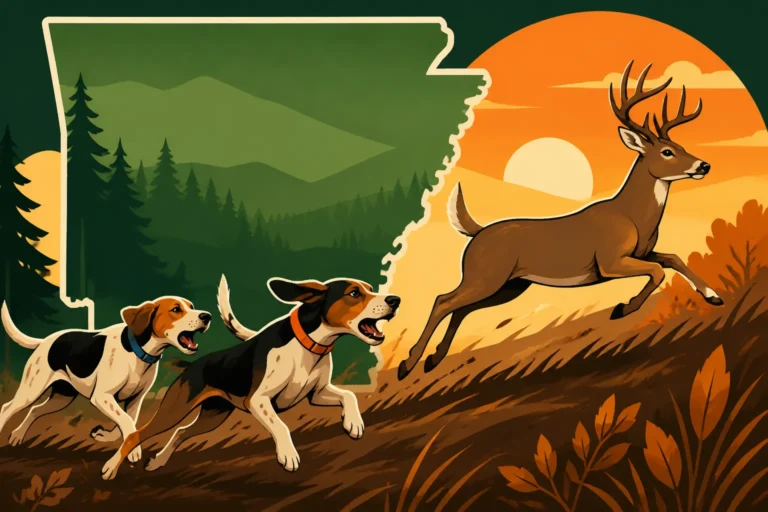
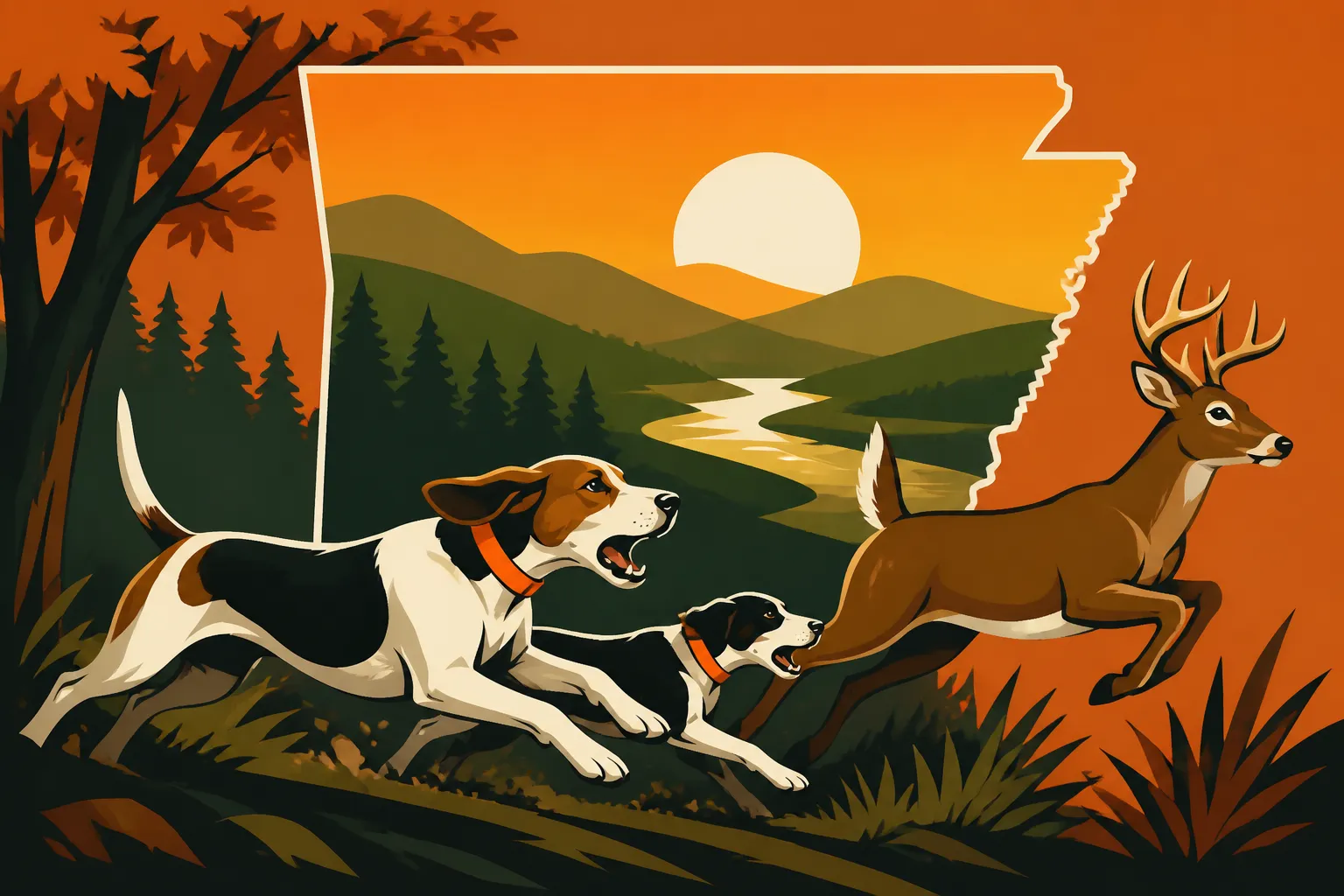
Few hunting traditions spark as much passion and debate in Arkansas as running deer dogs. For those who grew up with the baying of hounds echoing through the bottomlands, it's an integral part of their heritage, a thrilling experience that connects them to generations past. Yet, for others, the idea brings concerns about deer management, property lines, and the perceived "fair chase" of the hunt. If you've ever felt the pull of the chase or wondered how this unique method works in modern times, you're not alone. This guide aims to pull back the curtain on running deer dogs in Arkansas, delving into the methods, the rules, the gear, and the deep-seated culture that keeps this tradition alive.
The Enduring Tradition of Deer Dogging in Arkansas
The sound of a pack of hounds on a hot trail is, for many, the quintessential sound of deer season in certain parts of Arkansas. It’s a method steeped in history, facing its share of modern challenges, but undeniably a vibrant part of the state's hunting tapestry. Understanding this tradition means looking both backward at its roots and forward at its evolving landscape.
A Look Back at Arkansas's Deer Dog Culture
Deer dogging isn't just a hunting technique; it's a social event, a community gathering, and a way of life that has been passed down through families for generations. Historically, before modern game management and widespread private land leases, running dogs was a highly effective way to harvest deer in dense, often flooded, bottomland timber. Deer drives with dogs allowed hunters to push deer out of thick cover where still-hunting or stand hunting would be incredibly challenging. Imagine the vast, untamed wilderness of early Arkansas, where tracking deer on foot was arduous. A well-trained pack of dogs could cover more ground, penetrate thicker cover, and effectively move game, providing sustenance for families.
This method built strong bonds, too. Hunting clubs formed around dog packs, with members sharing the responsibility of breeding, training, and caring for the hounds, as well as coordinating complex drives. The camaraderie, the shared anticipation, the thrill of the chase, and the stories told around a crackling fire after a successful day—these elements are deeply woven into the fabric of Arkansas's hunting heritage, particularly in the flat, often impenetrable terrain of the Delta and parts of the Ouachita foothills. Even today, the passion for running dogs remains fiercely strong among its proponents, who see it as a legitimate and exhilarating form of hunting that honors a historical practice.
Understanding Current Regulations and Zones
While the tradition runs deep, modern deer dogging is heavily regulated to ensure ethical hunting practices and to manage game populations responsibly. The Arkansas Game and Fish Commission (AGFC) has specific rules about where and when deer dogs can be used. It's not a free-for-all, and rightly so, given the potential for conflicts and unintended consequences. You simply cannot just turn dogs loose anywhere you please.
Currently, deer dogging is permitted only in certain deer zones and during specific modern gun seasons. These zones are primarily found in the southern and eastern parts of the state, particularly in the flat, vast expanses of the Delta, where large tracts of land make it more feasible. Zones where dog hunting is allowed are typically characterized by heavy cover and often private land ownership that has historically supported the practice. It's crucial for any hunter participating in or considering deer dogging to thoroughly review the current AGFC regulations each year, as zones and rules can change. For a deep dive into the specifics, check out the official information on Arkansas Dog Deer Hunting Rules to ensure you're always in compliance. This also applies to non-residents, who also have specific rules regarding When Nonresidents Can Use Deer Dogs.
The regulations often stipulate things like the number of dogs allowed per hunting party, specific dates, and sometimes even restrictions on retrieving dogs that cross property lines. Understanding these nuances is paramount. Ignorance of the law is never an excuse, and violations can lead to hefty fines and loss of hunting privileges. Always be proactive in checking the latest AGFC regulations before heading afield, and consider using mapping tools like GoHunt to clearly delineate legal dog hunting zones from restricted areas, especially when operating near public/private land boundaries or neighboring zones where dog use might be prohibited.
Essential Gear and Canine Companions
Running deer dogs isn't just about turning hounds loose; it requires careful preparation, the right tools, and, most importantly, a well-trained, healthy pack of dogs. Just like any specialized hunting method, success and safety hinge on attention to detail in your gear and your dogs.
Selecting the Right Dog Breed and Training Basics
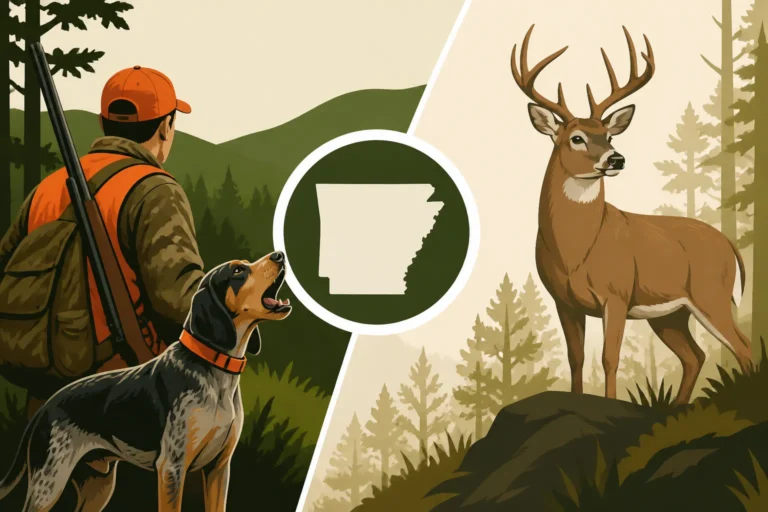
The heart of any successful deer dog operation is, of course, the dogs themselves. Not just any dog will do. Traditionally, hunters employ breeds known for their keen sense of smell, endurance, and vocalization, such as Walkers, Triggs, Redbones, and other strains of coonhounds or beagles, often crossbred for specific traits. These dogs possess the drive and nose to pick up a deer trail, the stamina to follow it for miles, and the distinctive "music" of their baying to let hunters know they're on game. It's a symphony that communicates vital information across dense woods and vast fields.
Training these dogs is a lifelong commitment, starting from puppyhood. It involves teaching basic obedience, developing their scenting abilities on controlled trails, and gradually exposing them to live deer in a structured environment. Socialization is also key, as these dogs will work in packs and encounter many other hunters and canines. A good deer dog is not just fast; it's intelligent, responsive to commands (even from a distance), and possesses the grit to push through tough terrain. Moreover, ensuring your dogs are in peak physical condition is paramount. Just like human athletes, they need proper nutrition, regular exercise, and preventative veterinary care to handle the rigors of the chase, especially during a long season.
Tracking Collars and Technology for Safety
In today's world, running deer dogs without GPS tracking collars is almost unthinkable, and frankly, irresponsible. The vast, often remote landscapes of Arkansas, combined with the dogs' natural instinct to follow a scent, mean they can cover incredible distances very quickly. Losing a valuable hound, or having them wander onto a highway or into a dangerous situation, is every dog hunter's nightmare. Modern GPS collars, like those compatible with systems you might track via a mapping app such as GoHunt, are non-negotiable.
These collars provide real-time location data, often visible on a handheld device or a smartphone app. This technology allows hunters to monitor their dogs' movements, determine if they're on a hot trail or simply meandering, and, most crucially, pinpoint their exact location for retrieval. Many systems also offer geofencing capabilities, alerting hunters if a dog crosses a predetermined boundary. Beyond location, some collars offer bark detection, indicating if a dog has "treed" or "bayed" an animal, further aiding in recovery. While these systems represent an investment, the peace of mind and the enhanced safety for your valuable canine companions make them absolutely essential. Without them, you’re simply guessing, and that’s a risk no responsible dog hunter should take.
Safety Considerations for Dogs and Hunters
Safety, for both the canine athletes and the human hunters, is paramount when running deer dogs. For the dogs, the physical demands of the chase are immense. They can easily become overheated, especially during Arkansas's warmer early season dates like Bowhunting Arkansas in September Heat. Ensuring they have access to water, taking breaks, and monitoring their condition is vital. Road safety is another major concern; dogs frequently cross roads in pursuit of deer, making high-visibility collars and careful attention to their location crucial. Injuries from rough terrain, fences, or encounters with other wildlife (such as coyotes or feral hogs) are also risks that hunters must be prepared to handle.
For hunters, coordinating a dog drive requires strict adherence to safety protocols. Communication is key, especially when positioning standers. Everyone involved needs to know where others are, what areas are safe to shoot into, and how to identify legal game. Wearing hunter orange, as per AGFC regulations, is non-negotiable. Furthermore, knowing how to approach a bayed or wounded deer, and understanding the proper procedure for Handling Dogs in a Deer Drive to prevent accidental injury to dogs or hunters, are skills that come with experience and careful planning. The best dog hunting crews are those who prioritize safety above all else, always remembering that the lives of their dogs and fellow hunters are in their hands.
Strategic Approaches to Running Deer Dogs
Running deer dogs isn't just a haphazard release of hounds; it's a calculated strategy involving teamwork, terrain knowledge, and a deep understanding of deer behavior. Whether it's a coordinated drive or tracking a wounded animal, strategy is key.
Organizing a Successful Deer Drive
A traditional deer dog drive is a highly coordinated effort, more akin to a military operation than a casual hunt. It typically involves two main groups: the "drivers" and the "standers." The drivers, often on ATVs or UTVs, release the dogs in a strategic location, aiming to push deer toward a line of standers positioned along escape routes, natural funnels, or known travel corridors. The success of the drive hinges on several factors: the experience of the dogs, the knowledge of the terrain, and impeccable communication among the hunting party.
Stand placement is critical. Hunters need to anticipate where deer will run when pushed by dogs, considering wind direction, cover, and topography. This often involves scouting the area beforehand to identify key crossing points, creek bottoms, and ridge lines. For example, in the low-lying areas of the Delta, standers might be positioned along levees or roads bordering flooded timber, anticipating deer crossing dry ground. In the hillier regions, knowledge of Hunting Ozark Ridges and Hollows for Deer would dictate placing standers on saddles or benches. Communication, usually via two-way radios, allows drivers to inform standers about the dogs' progress, potential deer movements, and any changes in the plan. The entire process requires patience, discipline, and a shared understanding of the goals.
Utilizing Dogs for Tracking Wounded Game
Beyond the traditional deer drive, dogs play an invaluable role in the ethical recovery of wounded game. Many hunters, even those who don't participate in dog drives, rely on trained tracking dogs to find a deer that has been shot but not immediately recovered. This is a vastly different application, focusing on the dog's innate scenting ability to follow a blood trail or the fainter "foot scent" of a deer. The regulations for using dogs to track wounded game are generally more permissive than those for dog drives, often allowing it in zones where traditional dog hunting is prohibited, but it's crucial to check local AGFC rules.
A good tracking dog, often a smaller breed like a Dachshund or a scent hound, is trained to work on a leash, methodically following the wounded animal's path. This reduces stress on the animal and significantly increases the chances of a clean, ethical recovery, preventing lost game. This service is often provided by dedicated tracking dog handlers who respond to calls from hunters who have exhausted their own tracking efforts. The ability to use a dog to follow a faint blood trail, especially when trying to recover a deer from thick cover or after dark, as detailed in Blood Trailing After Dark in Arkansas, is an incredible asset for responsible hunters and aligns perfectly with the principles of conservation and minimizing waste.
Adapting Tactics to Different Terrains
Arkansas is a state of diverse landscapes, from the flat, water-logged bottomlands of the Delta to the rugged, timbered mountains of the Ozarks and Ouachitas. Effective deer dogging tactics must be tailored to these varied environments. What works in one area might be entirely ineffective, or even dangerous, in another.
In the vast, often flooded timber and agricultural fields of the Arkansas Delta, deer drives can span enormous tracts of land. Dogs here need exceptional endurance and the ability to navigate water, pushing deer out of flooded woods towards cut fields or levees. Understanding Where Delta Bucks Bed in Standing Water is crucial for drivers to know where to release dogs for maximum effect. The terrain is relatively flat, but the density of the cover and the water can be formidable, making it difficult for standers to see far. Here, using mapping tools to identify high ground, field edges, and natural pinch points is incredibly beneficial for setting up stands.
Conversely, in the steeper, rockier terrain of the Ozark or Ouachita National Forests, dog drives are less common for general deer hunting due to the complex topography and density of public land, which often has specific restrictions. However, for specialized hunts like bear hunting or tracking wounded deer, dogs might still be used. Here, dogs must be agile and sure-footed, capable of navigating steep grades and rocky outcrops. Standers would need to consider elevation, thermals, and deer tendency to travel along contour lines or through saddles. Regardless of the landscape, scouting the area beforehand, perhaps using mapping resources to understand the topography and cover, is fundamental to devising an effective dog hunting strategy.
Navigating Public and Private Land Challenges
One of the most significant challenges for deer dog hunters in Arkansas is navigating the complex mosaic of public and private land. The rules, access, and etiquette differ wildly, and misunderstanding them can lead to serious issues.
Public Land Restrictions and Opportunities
For many Arkansans, public land is their primary access point for hunting. However, when it comes to running deer dogs, public land opportunities are often more limited and come with stricter regulations. The Arkansas Game and Fish Commission manages numerous Wildlife Management Areas (WMAs) across the state, and while some may allow dog hunting for deer, many do not, or they have very specific rules. For instance, the regulations for Running Deer Dogs on Arkansas Public Land clearly delineate where this practice is permitted. Generally, you’ll find fewer WMAs allowing dog drives, and those that do are often located in areas historically supportive of the practice, usually the Delta.
The rationale behind these restrictions on public lands is often to minimize conflicts with other hunters who prefer still-hunting or archery methods, and to prevent dogs from interfering with other wildlife or private property. If dog hunting is allowed on a WMA, it's typically during specific modern gun seasons, and hunters must be extremely vigilant about boundaries. Stray dogs can easily cross into prohibited zones or onto private land, creating problems. It's imperative to consult the AGFC hunting regulations specific to each WMA you intend to hunt, and to use advanced mapping tools to stay within designated areas. Scouting these public lands, as described in Scouting Arkansas Public Land Before Season, is even more vital when planning a dog hunt, as you need to understand the topography and potential escape routes for deer and dogs alike.
Securing Private Land Permission and Etiquette
While public land options are limited, private land provides the majority of opportunities for running deer dogs in Arkansas. However, this isn't a simple free-for-all either. Gaining and maintaining access to private land requires permission, respect, and often, strong landowner relationships. Many traditional dog hunting clubs operate on large tracts of privately owned timber or agricultural land, often leased specifically for this purpose.
The key to successful private land dog hunting is to always obtain explicit permission from the landowner before stepping foot on their property or releasing dogs. Verbal permission is good, but written permission, especially when operating on vast tracts or for multiple days, is even better. It protects both you and the landowner. Beyond legalities, good etiquette is crucial. Respect fences, gates, and crops. Leave no trash. Report any unusual activity you observe. Consider offering to help the landowner with tasks or sharing some of your harvested game. Building trust and maintaining a positive relationship ensures continued access. Many farmers appreciate the help of deer dog hunters in managing deer populations that can damage crops, as long as it's done respectfully and responsibly.
Dealing with Trespass and Boundary Issues
One of the most persistent challenges and sources of conflict in deer dogging is dealing with trespass, both by hunters and by their dogs. Even with the best intentions, dogs on a hot trail can cross property lines without hesitation. This is where modern technology becomes invaluable, but it doesn't absolve the hunter of responsibility.
Using GPS collars is a fundamental defense against unintended trespass. Hunters can monitor their dogs' movements in real-time and, if a dog crosses a property line, immediately work to retrieve it. Mapping applications like GoHunt become essential here, providing detailed property boundary overlays that allow hunters to see precisely where their dogs are in relation to land ownership. However, knowing the boundaries isn't enough; you must also understand the laws regarding retrieval. In Arkansas, hunters are generally allowed to retrieve dogs from private land if they have not been warned off by the landowner and if no hunting activity is taking place during retrieval. However, it's always best to contact the landowner first, if possible, to inform them you'll be retrieving your dogs. This proactive communication can prevent misunderstanding and conflict. For insights into how mapping tools can aid in boundary awareness, you might find information on Reading Aerial Photos for Delta Deer helpful, as these skills translate directly to understanding the landscape during a dog hunt. Ultimately, responsible dog hunters prioritize prevention through careful planning, dog training, and constant monitoring, mitigating the chance of boundary disputes.
Ethical Considerations and Community Impact
Like any hunting method, running deer dogs comes with a set of ethical responsibilities and considerations that impact not only the hunting community but also the wider public and the conservation of wildlife. Maintaining a positive image and ensuring sustainable practices are key to the future of this tradition.
Respecting Other Hunters and Landowners
One of the biggest hurdles for deer dogging in Arkansas is the perception it creates among other hunters and landowners. A pack of baying hounds can disrupt still-hunters or bowhunters who have spent hours patiently waiting in a stand. This can lead to frustration and animosity within the broader hunting community. Therefore, it's paramount for deer dog hunters to be acutely aware of their impact on others.
Responsible dog hunters make every effort to minimize disturbances. This means knowing where other hunters are likely to be, avoiding areas with known still-hunting pressure, and being considerate about where dogs are released. Communication is key; if you’re operating near public land, or adjacent to properties where still-hunting is known to occur, a friendly conversation with neighboring landowners or other hunters can go a long way in preventing conflict. It's about respecting different hunting styles and recognizing that all hunters share a common interest in ethical, enjoyable outdoor pursuits. The image of hunters depends on showing respect for each other, regardless of chosen method.
The Importance of Dog Control and Responsibility
The very nature of deer dogging means that dogs are often running independently, pursuing game. This necessitates an even greater level of control and responsibility on the part of the hunter. Uncontrolled dogs can harass non-target wildlife, chase livestock, or simply become a nuisance. These incidents, while often unintentional, can quickly erode public support for dog hunting and lead to stricter regulations.
Responsible dog hunters invest heavily in the training and management of their hounds. This includes teaching them to respond to commands, even at a distance, and ensuring they are focused solely on deer. It also means managing the pack effectively, knowing when to call off a chase, and ensuring prompt retrieval of dogs. Furthermore, proper veterinary care, including vaccinations and parasite control, is essential for the health of the dogs and to prevent the spread of diseases to other wildlife or domestic animals. The reputation of deer dogging rests squarely on the shoulders of those who practice it; showing restraint, demonstrating exceptional dog control, and always acting as responsible stewards of the land and its wildlife are critical.
The Future of Deer Dogging in Arkansas
The tradition of running deer dogs in Arkansas faces a dynamic future, influenced by changing land-use patterns, evolving hunter demographics, and ongoing conservation efforts. As tracts of timber are subdivided and more land becomes privatized or developed, the large, contiguous areas necessary for effective dog drives become scarcer. This pressure, combined with differing opinions on the ethics and effectiveness of the method, means that dog hunting will continue to be a topic of discussion and adaptation.
However, the deep cultural roots and the passionate community of dog hunters ensure its continued presence. Organizations dedicated to preserving and promoting deer dogging work to educate the public, advocate for responsible practices, and ensure that regulations are fair and sustainable. AGFC, through its ongoing deer management plans and detailed harvest reports (which you can learn more about in Reading an Arkansas Harvest Report), balances tradition with scientific conservation, adjusting regulations to maintain healthy deer populations while allowing for diverse hunting methods. The future of deer dogging will likely involve a continuous balance between maintaining tradition, embracing technology for responsible hunting (like GoHunt's mapping capabilities), and adapting to the changing landscape, all while upholding the highest ethical standards.
Summary of Key Considerations for Running Deer Dogs
| Aspect | Key Considerations |
|---|---|
| Regulations & Zones | Must know specific AGFC deer zones and seasons where dog hunting is legal. Rules vary greatly by region and year. Always check current Arkansas Dog Deer Hunting Rules. |
| Dog Selection & Training | Choose appropriate breeds (e.g., Walkers, Redbones) known for scenting and endurance. Invest in lifelong training for obedience, tracking, and pack behavior. Ensure dogs are healthy and conditioned. |
| Technology & Safety | GPS tracking collars (e.g., via GoHunt app) are essential for real-time monitoring and retrieval. Prioritize dog safety (hydration, road hazards) and hunter safety (communication, stand placement, hunter orange). |
| Strategic Planning | Coordinate deer drives with drivers and standers, using knowledge of terrain and deer behavior. Consider Deer Drives in Arkansas Bottomland. Utilize dogs ethically for Blood Trailing After Dark in Arkansas wounded game. Adapt tactics to Delta vs. Ozark terrain. |
| Land Access | Public land access is limited; check WMA specific rules for Running Deer Dogs on Arkansas Public Land. Private land requires explicit permission and landowner respect. Use mapping tools to avoid trespass. |
| Ethics & Community | Be respectful of other hunters and landowners. Maintain strict dog control to prevent harassment. Advocate for responsible practices to ensure the future of the tradition. |
Disclaimer
The information provided in this guide is for informational purposes only and is not a substitute for checking current Arkansas Game and Fish Commission (AGFC) regulations. Hunting laws and regulations can change annually. Always consult the official AGFC hunting guide and local ordinances before participating in any hunting activity. The author and publisher are not responsible for any actions taken based on the information presented herein.