Booking a Bear Hunt in the Ouachitas
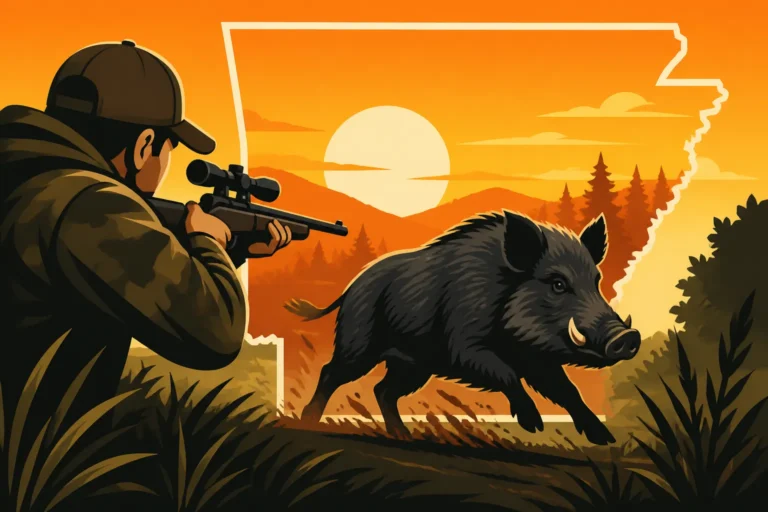
There’s something truly wild and ancient about the thought of chasing black bears through the rugged terrain of the Arkansas Ouachita Mountains. It’s a hunt that calls to a different kind of spirit, one that craves challenge and solitude amidst towering pines and deep hollows. But for many, the idea of orchestrating such an adventure can feel overwhelming, especially when you're not intimately familiar with the region or bear behavior. This guide is here to demystify the process of booking a bear hunt in the Ouachitas, whether you're leaning towards a self-guided experience or considering the expertise of a seasoned outfitter.
Understanding Bear Hunting in the Ouachitas
The Ouachita Mountains are a special place, often overlooked by hunters focused on the Delta's ducks or the Ozarks' deer. But for black bears, it's home, offering vast expanses of forest and plenty of natural food sources.
The Allure of Arkansas Bear Country
When we talk about bear hunting in Arkansas, the Ouachita Mountains often conjure images of vast, unbroken pine and hardwood forests. This is quintessential black bear habitat, offering everything a bear needs: dense cover for bedding, plentiful water sources, and a diverse smorgasbord of natural foods throughout the seasons. The experience of hunting a bear here isn't just about the harvest; it's about immersing yourself in some of the most remote and beautiful wilderness in the state. Imagine crisp autumn mornings, the scent of pine needles underfoot, and the quiet tension of knowing a powerful animal might be just over the next ridge. It’s a primal pursuit, demanding patience, keen observation, and a deep respect for the animal and its environment.
For many, the Ouachitas offer a different kind of challenge than, say, a deer hunt in a food plot. Bear hunting often means covering a lot of ground, reading subtle sign, and being prepared for close encounters in thick cover. It's a hunt that demands you become a part of the landscape, not just a visitor passing through.
Arkansas Bear Seasons and Quotas
Arkansas approaches its black bear season with a keen eye on conservation, which means understanding the season structure and how quotas work is absolutely vital. Unlike deer or turkey seasons which have set dates for specific zones, bear seasons in Arkansas are often managed with a quota system for specific zones. What this means is that once a certain number of bears have been harvested in a particular zone, that zone's season can close, sometimes with very little advance notice.
It's not unheard of for a bear zone to open on a Saturday and close by Tuesday if hunters are successful early. This dynamic adds an exciting, but also critical, layer to planning your hunt. You need to be incredibly diligent in checking the Arkansas Game and Fish Commission (AGFC) website or calling their hotline regularly, especially if you're hunting without a guide who handles these details. Missing a crucial update could mean you're hunting illegally or that your planned trip is suddenly cut short. For a deeper dive into how these seasons are managed, it’s worth reading up on Arkansas Bear Seasons and Zone Quotas.
Legalities and License Requirements
Before you even think about stepping foot in the Ouachitas with a bear tag, you need to ensure all your legal ducks are in a row. Arkansas has specific licensing requirements for bear hunters, and these can vary depending on whether you're a resident or a nonresident, and what method you plan to use (archery, muzzleloader, modern gun). Generally, you'll need a valid Arkansas hunting license, along with a bear permit or tag.
It's not just about having the right paper; it's about understanding the specific regulations that come with it. For instance, some zones may have different legal harvest methods or specific checking requirements after a successful hunt. Always double-check the current hunting regulations handbook published by the AGFC, as rules can change from year to year. Don't rely on information from an old pamphlet or a buddy's memory. This is your responsibility as a hunter. To ensure you have all the necessary permits, take a look at Arkansas Hunting Licenses and What They Cost.
DIY vs. Guided Bear Hunt: Making the Choice
The decision between going it alone or hiring a professional can be a tough one, especially for a challenging hunt like bear in the Ouachitas. Each path offers its own set of rewards and hurdles.
The Self-Guided Adventure
Embarking on a self-guided bear hunt in the Ouachitas is undeniably appealing for many hunters. It embodies the spirit of self-reliance, the satisfaction of earned success, and typically comes with a lower out-of-pocket cost. Public lands in the Ouachita National Forest offer vast opportunities for those willing to put in the legwork. You'll find thousands upon thousands of acres of accessible terrain, though "accessible" can sometimes mean rugged, steep, and remote.
The biggest hurdle for a DIY hunter is the sheer amount of preparation required. You'll need to scout extensively, often long before the season even opens, to locate potential bear activity, identify travel corridors, and understand the availability of natural food sources like acorn flats or berry patches. This involves countless hours hiking, using mapping tools, and placing trail cameras. You'll also need to be entirely self-sufficient, bringing all your own gear, knowing how to track and field dress a bear alone, and having a plan for meat extraction in potentially difficult terrain. While the cost of a guide is saved, the investment in time, fuel, equipment, and sheer effort can be considerable. To help with finding locations, consider reading Ouachita National Forest Hunting.
Why Consider a Guided Bear Hunt
For many, especially those new to bear hunting or unfamiliar with the Ouachita Mountains, a guided hunt offers a significant advantage. Outfitters specialize in knowing the terrain, understanding bear behavior, and having established scouting routines. They often have access to private lands or have extensively scouted public areas, giving you a considerable head start. They handle the logistics, from blind setup and baiting (where legal) to tracking and recovery, which can be incredibly challenging with a large animal like a bear in dense cover.
A good guide provides not just expertise but also invaluable local knowledge. They can tell you where the bears are feeding, what their patterns are, and even anticipate how weather changes might affect their movement. This can drastically increase your odds of success and provide a much richer, safer experience, particularly if you're traveling from out of state and have limited time. It’s an investment, yes, but for many, the enhanced experience and higher probability of success make it well worth it.
Semi-Guided Options
If the thought of a fully guided hunt feels a bit too structured, or a bit too pricey, but a completely DIY adventure feels too daunting, a semi-guided bear hunt might be the perfect middle ground. This option typically bridges the gap by offering some, but not all, of the services of a full guide. For instance, an outfitter might provide pre-scouted stand locations, actively baited sites (if that's the hunting method you choose and it's permitted in that specific zone and season), and perhaps a basic camp or lodging. However, you'd be responsible for your own transportation to and from the hunting area, tracking your own bear, and potentially field dressing and extracting it.
This approach offers more independence than a fully guided trip while still benefiting from the outfitter's local knowledge and preparation. It's a great choice for hunters who are comfortable with the basics of hunting but want to cut down on the intensive scouting phase, or who appreciate having a "head start" on productive areas. Before committing to a semi-guided hunt, make sure you understand exactly what services are included and what you're still responsible for, to avoid any surprises once you arrive in bear country.
Researching and Selecting an Outfitter
Choosing the right outfitter is arguably the most critical step in ensuring a successful and enjoyable bear hunt. This isn't a decision to take lightly.
Key Questions to Ask Potential Guides
When you’re talking to a potential outfitter for a bear hunt in the Ouachitas, you need to go beyond the glossy pictures and general promises. You're entrusting them with your time, money, and hunting dreams. Start by asking about their specific experience guiding bear hunts in the Ouachitas – not just "hunting," but "guiding." How long have they been operating? What is their typical success rate over the past few seasons, and how do they define "success"? Is it opportunities, or actual harvest? Ask about the number of hunters they take at one time and the guide-to-hunter ratio. You want to know if you'll have personalized attention or be part of a large group.
Probe into their hunting methods: do they primarily hunt over bait, spot and stalk, or still-hunt? If baiting, how often are sites refreshed, and what kind of bait do they use? If spot and stalk, what kind of terrain will you be covering? Ask about the size of the area they hunt, whether it's private land, public land, or a mix, and how much pressure that area typically sees. Don't forget the practicalities: what happens if a bear is wounded but not recovered? What's the plan for tracking? What kind of accommodations and meals are provided? For a comprehensive list of what to ask, check out Questions to Ask an Arkansas Outfitter.
Understanding Hunt Packages and What's Included
Outfitter packages for bear hunts can vary wildly, so it’s essential to get a clear breakdown of what’s included in the price and what might be an additional cost. A "fully inclusive" package typically covers guiding services, lodging, and meals. Some might include transportation during the hunt, field dressing, and basic caping. However, many packages do not include your hunting license or bear tag, taxidermy fees, meat processing, or gratuities for the guide and camp staff.
You need to know if there are any "trophy fees" for bears of a certain size or if there's a charge for a second opportunity if you miss or wound a bear. Clarify exactly what kind of lodging to expect – is it a comfortable lodge with private rooms, or a more rustic cabin with shared bunk beds? Are all meals provided, or only some? Always get a detailed itinerary and a written list of inclusions. A little clarity upfront can prevent major headaches and unexpected costs down the line. You can find more detail on typical inclusions here: What an Arkansas Hunt Price Includes.
Checking an Outfitter's Reputation
Once you've narrowed down your choices, it’s absolutely critical to do your due diligence on an outfitter's reputation. Don't just take their word for it, or rely solely on testimonials on their website (which are, understandably, always positive!). Ask for a list of recent references – ideally, hunters from the past two or three seasons who you can call directly. When you call, ask specific questions: Was the hunt as advertised? Were the guides knowledgeable and professional? How were the accommodations and food? What was their personal experience with the outfitter’s communication and integrity?
Beyond references, look for online reviews on reputable hunting forums or booking platforms. Sometimes these can offer a more balanced perspective. Be wary of outfitters with no online presence or those with consistently vague responses to your questions. A reputable outfitter will be transparent and proud to share their track record. If something feels off, or they pressure you for a quick decision without providing references, that's a major red flag. For more tips on evaluating guides, check out Checking an Arkansas Outfitter's Reputation. When you use services like BookYourHunt or GoHunt, they often provide review systems that can give you insight into an outfitter's past performance and client satisfaction.
Common Bear Hunting Tactics Used by Guides
Bear hunting tactics in the Ouachitas often blend traditional methods with modern technology, aiming to leverage the bear's predictable behaviors and food preferences.
Hunting Over Bait
Hunting over bait is a very common and effective tactic for black bears, and it is legal in many of Arkansas's bear zones during certain seasons. Guides who use this method put in extensive time and effort long before you arrive, establishing multiple bait sites across their hunting area. These sites are regularly replenished with tempting foods – often a mix of sweet and savory items like pastries, corn, dog food, or even old cooking grease – to habituate bears to feed there consistently. The goal is to create a pattern that allows hunters to sit in a stand or blind positioned downwind, awaiting a bear’s arrival during daylight hours.
This method requires patience, as bears are often nocturnal or crepuscular, meaning they're most active at dawn and dusk. A good outfitter will have multiple active baits, moving hunters to the most active sites based on recent trail camera photos or fresh sign. They'll also manage the baits to encourage bears to visit during legal shooting light. Understanding the specific regulations around baiting, including what materials are allowed and how far off a public road a bait can be, is crucial. Learn more about the nuances of this method by looking into Bear Baiting Rules and Tactics in Arkansas.
Spot and Stalk in Natural Food Sources
While baiting is effective, many hunters prefer the challenge of spot and stalk, particularly when bears are focused on natural food sources. In the Ouachitas, this often means focusing on mast crops, primarily acorns, during the fall. Bears can put on hundreds of pounds in preparation for winter, making acorn flats, especially those with red oaks (which hold acorns longer), irresistible. Guides who specialize in this method will scout extensively to find active feeding areas, often looking for fresh bear scat, disturbed ground, and claw marks on trees.
The tactic involves slowly and quietly moving through these areas, often at first light or late in the evening, carefully scanning for bears. Wind direction is paramount, as a bear's sense of smell is legendary. This method is physically demanding, requiring silent movement through dense underbrush and steep terrain. It's a true test of a hunter's woodsmanship and patience, blending into the environment and using natural cover to approach undetected. For hunters interested in this strategy, understanding Hunting Arkansas Bear on Acorns can provide valuable insights.
Still-Hunting and Stand Hunting
Still-hunting and traditional stand hunting are time-honored methods that also find success in the Ouachitas for bear. Still-hunting involves moving through the woods extremely slowly, pausing frequently to observe and listen, essentially hunting the habitat rather than a specific bait or food source. It's a game of chess, anticipating where a bear might be moving between bedding and feeding areas, or simply traveling through its territory. This requires an intimate understanding of the terrain, wind thermals, and bear sign.
Stand hunting, on the other hand, involves setting up in a predetermined location, often overlooking a known travel corridor, a natural funnel, or an area with abundant natural food, and waiting. Treestands or ground blinds provide concealment and an elevated vantage point. Guides will use their knowledge of bear patterns to place stands in strategic locations where bears are likely to pass through. This method relies heavily on patience and the ability to remain motionless for extended periods. Both still-hunting and stand hunting emphasize stealth and observation, making them excellent choices for hunters who appreciate a quieter, more contemplative hunt.
Preparing for Your Ouachita Bear Hunt
A bear hunt in the Ouachitas is an adventure that requires thoughtful preparation, from your physical conditioning to the gear you pack.
Physical and Mental Conditioning
Don't underestimate the physical demands of a bear hunt in the Ouachitas. This isn't a stroll through a flat agricultural field. The terrain can be steep, rocky, and covered in dense timber and underbrush. You might be hiking miles in a day, often off-trail, carrying your gear, and potentially dragging or packing out a bear over challenging ground. Good physical conditioning isn't just about comfort; it's about safety and your ability to perform effectively when the moment of truth arrives. Start a consistent exercise regimen well in advance, focusing on cardio, strength training (especially your legs and back), and hiking with a loaded pack.
Beyond the physical, mental conditioning is equally important. Bear hunting requires patience and persistence. You might sit for hours without seeing anything, or you might have to track a bear through difficult terrain for a significant distance. Be prepared for early mornings and late nights. Having a positive attitude, the ability to stay focused, and the resilience to push through discomfort can make all the difference between a frustrating trip and a rewarding experience.
Essential Gear and Equipment
Packing the right gear is paramount for a safe and effective bear hunt. Start with your weapon of choice, whether it's a rifle, shotgun, or bow, ensuring it's sighted in and you're proficient with it. For rifles, choose a caliber suitable for bear, and practice shot placement. Shot Placement on a Black Bear is a critical detail to master. Good optics are non-negotiable – quality binoculars and a rangefinder will be invaluable in the dense cover of the Ouachitas.
Clothing should be layered, scent-controlled if possible, and appropriate for varying weather conditions; temperatures in the mountains can swing dramatically. Waterproof hiking boots with good ankle support are essential for navigating the rugged terrain. Other critical items include a sturdy backpack, a reliable headlamp with extra batteries, a sharp knife, game bags for meat, flagging tape for tracking, a first-aid kit, communication devices (satellite messenger or GPS, as cell service is spotty), plenty of water, and high-energy snacks. Don't forget your hunting license, bear tag, and all necessary permits!
Handling and Processing Your Harvest
Successfully harvesting a bear is just the beginning; proper handling and processing are crucial for preserving the meat and hide. Black bear meat is delicious when handled correctly, but it spoils quickly, especially in warmer early-season conditions. Immediately after the shot, focus on safely approaching the bear and then quickly beginning the field dressing process to cool the carcass. You'll want to remove the entrails as soon as possible, and some hunters even quarter the bear in the field to facilitate cooling and transport.
Transporting a bear out of the Ouachitas can be a monumental task due to their size and the rugged terrain. Have a plan for extraction, whether that involves multiple strong individuals, a game cart, or even pack animals if feasible. Once out of the woods, the bear needs to be checked with the AGFC according to regulations. This often involves physical check stations or online reporting. For detailed information on these steps, refer to Handling Bear Meat and Hide and Arkansas Bear Checking Requirements.
Navigating the Booking Process
Once you've decided on an outfitter, the booking process itself involves several key steps to ensure everything is clear and confirmed.
Contracts, Deposits, and Cancellations
When you're ready to book with an outfitter, you should always expect a written contract. This document is your protection and clearly outlines the terms of your hunt. Read it thoroughly before signing anything. Pay close attention to the dates of your hunt, what's included in the package, the total cost, and perhaps most importantly, the deposit and cancellation policies. Most outfitters require a significant deposit upfront to secure your dates, and these deposits are often non-refundable or only partially refundable under specific circumstances.
Understand what happens if you need to cancel, or if the outfitter needs to reschedule due to unforeseen circumstances like severe weather or an early season closure. Will your deposit be transferred to a future hunt, or is it forfeited? Some hunters even opt for travel insurance that specifically covers hunt cancellations, which can be a wise investment for a substantial trip. Don't hesitate to ask questions about anything in the contract you don't understand. For further details on what to expect, read Outfitter Contracts and Deposits in Arkansas.
Using Booking Platforms and Resources
In today's digital age, hunters have more resources than ever for finding and booking hunts. Online booking platforms can be a great starting point for discovering outfitters in the Ouachitas. Websites like BookYourHunt allow you to browse various outfitters, compare packages, and read reviews from past clients, often offering a streamlined booking process. Similarly, platforms like GoHunt provide extensive resources, including outfitter directories and sometimes even special deals or packages.
These platforms can save you a lot of time by centralizing information and providing a level of vetting, but they shouldn't replace your direct communication with the outfitter. Always follow up with phone calls and emails to get specific answers to your questions and build a personal rapport. Use these platforms as a tool to discover options, then do your deep dive into individual outfitters before making a final decision. They often provide valuable initial filters and insights.
Timing Your Booking
Bear hunts, especially for prime dates, often book up well in advance. If you have specific dates in mind, particularly during opening week or the peak of a specific season, you might need to book anywhere from six months to a year out. This is especially true for popular outfitters with a limited number of slots. The Ouachitas, while not as widely recognized for bear hunting as some other regions, still draw significant interest.
If your schedule is flexible, you might find last-minute availability or cancellation openings closer to the season. Sometimes, outfitters will offer discounts on these spots to fill their calendar. However, relying on last-minute bookings can be a gamble, as you might not get your first choice of outfitter or dates. Planning ahead gives you the best chance to secure the hunt you truly want and allows ample time for physical preparation and gathering all your gear.
| Feature | Self-Guided Hunt | Guided Hunt | Semi-Guided Hunt |
|---|---|---|---|
| Cost | Generally lower upfront (licenses, gear, travel) | Higher upfront (all-inclusive packages) | Mid-range (some services, less comprehensive) |
| Effort/Prep | Very high (scouting, gear, logistics, recovery) | Low to moderate (physical prep, pack essentials) | Moderate (some scouting support, self-reliance needed) |
| Success Rate | Varies greatly (depends on experience, scouting) | Generally higher (outfitter expertise, access) | Better than DIY, less than fully guided |
| Required Exp. | High (bear biology, tracking, terrain knowledge) | Low to moderate (guide handles most complexities) | Moderate (comfortable with basic hunting skills) |
| Access | Public land (Ouachita National Forest, WMAs) | Private leases, extensively scouted public areas | Mix of private/public, pre-scouted spots |
| Local Knowledge | Acquired through extensive research/experience | Provided by guide (bears, patterns, terrain) | Some local insights provided, but you're still hunting |
| Flexibility | High (your schedule, your spots) | Limited (set dates, outfitter's plan) | Moderate (some choices within outfitter's framework) |
| Ideal For | Experienced, self-reliant hunters on a budget | First-time bear hunters, those seeking high success | Those wanting support without full hand-holding |
Disclaimer
This article is for general informational purposes only and does not constitute professional advice. Laws, prices and regulations vary by location and change over time. Consult a qualified professional for guidance on your specific situation.