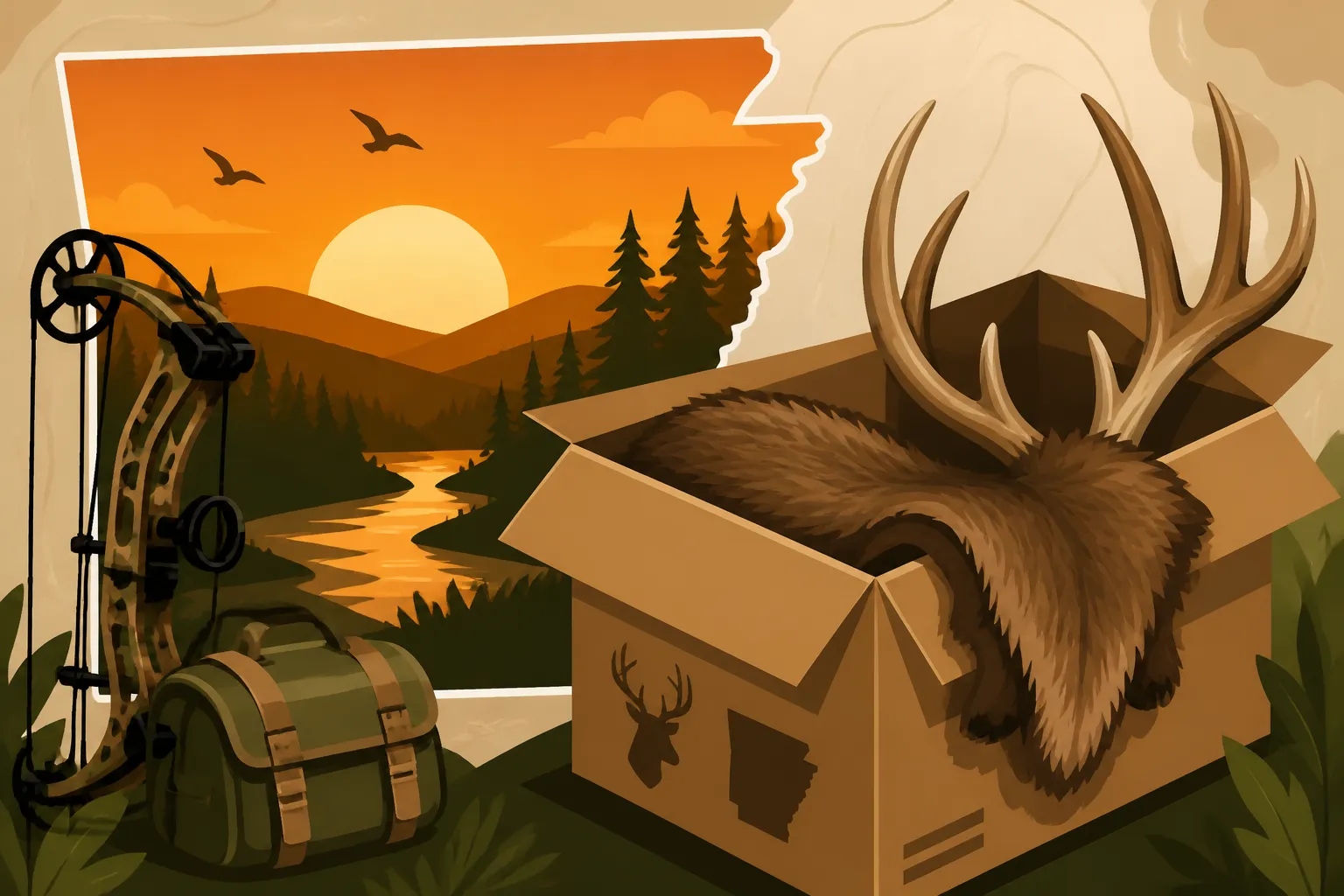
Shipping a Cape and Antlers Home
There's nothing quite like the rush of harvesting a magnificent animal in the Arkansas woods or fields. You've put in the time, faced the elements, and now you have a memory that will last a lifetime. But then the practical questions hit: how on earth do you get that beautiful cape and those impressive antlers safely home, especially if you're an out-of-state hunter? It can feel overwhelming, like a whole new hunt of its own, but this guide is here to walk you through the process, ensuring your trophy makes it back intact.
Why Shipping Game Parts Needs Special Attention
Bringing home a trophy isn't as simple as tossing it in the back of the truck, especially when you're dealing with raw animal parts that need to cross state lines or travel long distances. There are unique challenges that require specific preparation and understanding. Ignoring these details can lead to a heartbreaking outcome, from spoilage to legal issues, and no one wants to see their hard-won trophy ruined.
More Than Just Meat
Unlike the venison you're eager to get to the processor, a cape (the hide for a shoulder mount) and antlers carry immense sentimental value. They are the tangible representation of your success and the memory of the hunt. This means their preservation is paramount. Meat can be frozen, vacuum-sealed, and insulated, but a cape is a delicate biological material that can spoil rapidly if not handled correctly. Antlers, while seemingly robust, require care to prevent damage to the skull plate or the points themselves.
Imagine spending days Hunting the Arkansas Rut by Zone, finally connecting with a great buck, only to have the cape slip due to improper cooling or salting. It's a common, gut-wrenching scenario that dedicated hunters work hard to avoid. You're not just moving cargo; you're safeguarding a cherished memory. The stakes are higher than just a meal, they're about preserving a piece of your hunting heritage.
Avoiding Common Pitfalls
The frustrations of seeing a trophy compromised can be intense. One of the biggest pitfalls is spoilage of the cape. Warm Arkansas weather, even in the early fall or late winter, can be brutal on raw hide. Bacteria can set in quickly, causing hair slippage that makes the cape unusable for taxidermy. Another common issue is damage during transit, especially to delicate antler points or the skull plate. If a box isn't sturdy enough or packed improperly, those hard-earned inches can snap off.
Then there are the legal headaches. Different states have varying regulations regarding the transport of game parts, particularly concerning Chronic Wasting Disease (CWD). If you're coming from or traveling through a CWD management zone in Arkansas, specific parts might be restricted from transport, like brain and spinal column material, which are often attached to the skull plate. Ignoring these rules can lead to confiscation of your trophy, fines, or worse. The last thing you want after a successful hunt is a run-in with wildlife enforcement because you overlooked a crucial regulation about Arkansas CWD Rules and Carcass Transport.
Preparing Your Trophy for Shipment in Arkansas
The journey home for your cape and antlers begins the moment your animal hits the ground. Proper field care isn't just a suggestion; it's the foundation for ensuring your trophy can be successfully mounted. Skipping or rushing these initial steps can doom your efforts, no matter how good your shipping method.
Field Care is Paramount
For a shoulder mount, the initial field care of the hide is the single most critical step. Immediately after harvesting, you'll need to skin the animal carefully, leaving plenty of hide for the taxidermist. The general rule is to make a cut behind the shoulder, circling the animal, and then another cut down the back of each leg from that circle to the knee. From there, make a single straight cut from the sternum up to the chin, ensuring it’s centered. Peel the hide away from the carcass, making sure to cut around the antlers and leave plenty of skin around the ears, eyes, and mouth. The more hide, the better – a taxidermist can always trim excess, but they can't add what isn't there.
Once the cape is off, cooling it rapidly is essential. In Arkansas's typically warm climate, especially during early archery seasons or even during a mild Modern Gun Opening Weekend on Arkansas Public Land, this is even more crucial. Get it out of direct sunlight and allow it to air out as much as possible. If you can get it to a cooler with ice (not submerged in water), that’s ideal for short-term preservation. For longer periods or before shipping, thoroughly salting the cape is the best practice. Use non-iodized salt (fine-grain is best) and rub it generously into every square inch of the flesh side of the hide, paying special attention to thick areas like the neck and around the eyes and ears. Let it sit overnight, then shake off the old salt and apply a fresh layer. This draws out moisture and prevents bacterial growth.
Antler Preparation
Antler preparation, while less perishable than the cape, still requires attention. If you're doing a European mount, you'll want the entire skull. However, for a shoulder mount, most taxidermists only need the skull plate with the antlers attached. The goal here is to remove as much flesh and brain matter as possible from the skull plate. If you’re not taking the entire skull, carefully cut the skull plate to a size that will fit in your desired container while still being robust enough to hold the antlers securely. A good rule of thumb is to cut a "V" shape down the back of the skull, leaving enough bone to ensure the antler pedicles are firmly attached.
Once the skull plate is clean of flesh, allow it to air dry thoroughly. You can leave it in the sun for a day or two if weather permits, but make sure to protect it from animals that might chew on it. Some hunters opt to boil the skull plate lightly to remove any remaining tissue, but be extremely cautious not to boil the antlers themselves, as this can cause them to crack or lose color. If you're concerned about potential CWD implications, particularly if you've hunted in one of the CWD-positive counties in Arkansas, consider sending only the cleaned skull plate (with no brain tissue) or even having a taxidermist remove the antlers from the skull plate entirely before shipping, attaching them to a form later. This can alleviate potential issues during interstate transport.
Legal Considerations for Shipping from Arkansas
Navigating the legal landscape of shipping game parts is arguably as important as proper field care. Laws vary by state, and sometimes even by specific zones within a state. Failing to comply can lead to serious consequences, including losing your trophy or facing legal penalties. It pays to do your homework well in advance of your hunt.
Arkansas AGFC Regulations
The Arkansas Game and Fish Commission (AGFC) has specific rules regarding the transport of harvested game. When you successfully harvest a deer, bear, or other big game, you are required to check it in according to AGFC regulations, often using the online system or the official app. This creates a legal record of your harvest. Your Arkansas Deer Checking and Tagging documentation is crucial and should accompany your game parts, especially if you’re transporting them out of state.
A critical point of concern is Chronic Wasting Disease (CWD). Arkansas has CWD management zones, and within these zones, there are strict rules about the transport of certain carcass parts. Typically, you cannot transport the brain, spinal column, eyes, spleen, or lymph nodes out of a CWD zone. For a skull plate, this means ensuring all brain matter is removed. Many hunters opt to debone the entire carcass and only take out the meat, antlers, and a thoroughly cleaned skull plate (with brain matter removed), or a taxidermy-ready cape. Always consult the current AGFC regulations before your hunt to understand the specific rules for the zone you're hunting in. The rules for Carcass Transport Rules Out of Arkansas are designed to help prevent the spread of CWD to other regions or states.
Interstate Transport and Federal Laws
Once you cross state lines, you're not just subject to Arkansas law but also the laws of your destination state and any states you pass through. It's your responsibility to know these rules. Some states have stricter CWD regulations than Arkansas, potentially requiring additional processing or even outright banning the import of certain parts, even if they're legal to export from Arkansas. Before you even pack your bags for your trip to Arkansas, research the regulations of your home state regarding the import of deer, bear, or elk parts.
While federal laws like the Lacey Act primarily deal with illegal harvesting and commercial trade, they can be invoked if state laws are violated during interstate transport. For hunters, this means adhering strictly to all state regulations. For example, if your home state prohibits the import of skull plates with brain matter from a CWD-positive state like Arkansas, and you transport one, you could face federal charges under the Lacey Act, even if you lawfully harvested the animal. It's a sobering thought, but one that underscores the need for thorough preparation. Platforms like GoHunt and others often compile state-by-state regulations, which can be a valuable resource for cross-referencing these complex rules.
Packaging Your Cape and Antlers for the Journey
Once your trophy parts are properly prepped and you understand the legalities, the next step is careful packaging. This is where you protect your efforts from the bumps, drops, and temperature fluctuations of transit. Think of it as creating a custom armor for your prized possession.
Choosing the Right Containers
For a cape, your primary goal is to keep it cold and protected. After proper salting, the cape should be rolled up flesh-side in and placed inside heavy-duty plastic bags, sealed tightly to prevent any leaks. These bagged capes should then go into a sturdy cooler, preferably one designed for long-distance travel, like a YETI or similar roto-molded cooler. Pack it tightly with frozen gel packs or even dry ice (use extreme caution with dry ice, wear gloves, and ensure ventilation). If shipping to a taxidermist, communicate with them about their preferred method—some might prefer it frozen solid, others just well-chilled and salted.
Antlers require different packaging. A sturdy cardboard box is usually sufficient, but ensure it's thick-walled and robust. For larger antlers, you might need a custom-built wooden crate. Measure your antlers carefully, considering the widest points and any brow tines that might protrude. You want a box that accommodates the antlers without them touching the sides too much, allowing for ample padding. If shipping with the skull plate attached, make sure the plate is clean and dry to prevent any lingering odors or biological material.
Insulation and Labeling
Inside the box or cooler, insulation and padding are key. For capes, beyond the gel packs, you can use crumpled newspaper, Styrofoam peanuts, or even old towels to fill any voids, preventing the cape from shifting. For antlers, secure them firmly within the box using spray foam insulation, newspaper, bubble wrap, or even old clothes. The goal is to prevent any movement that could lead to breakage. Pay special attention to vulnerable points like the tips of tines. You don't want your beautiful velvet-horned buck from the Hunting Ozark Ridges and Hollows for Deer journey to arrive with a broken point.
Clear, redundant labeling is non-negotiable. Affix multiple labels to the exterior of your package, each containing your full name, address, phone number, and the destination address and contact information (e.g., your taxidermist's shop). If shipping a cape, consider adding "PERISHABLE" or "FRAGILE" stickers, although some carriers prefer not to have explicit mention of animal parts. Check their specific guidelines. For international shipments, customs declarations will be required, detailing the contents and their value. Make sure your Arkansas Hunting Licenses and What They Cost and check-in documentation are readily accessible, perhaps even including copies inside the package, for any inspection needs.
Shipping Methods and Services from Arkansas
Once your trophy parts are meticulously prepared and packaged, you need to decide how they'll make the journey home. You've got a few options, each with its own advantages, costs, and levels of convenience.
Commercial Carriers: UPS, FedEx, USPS
For most hunters, commercial carriers like UPS and FedEx are the go-to for shipping capes and antlers. They offer a range of services from standard ground to expedited air freight, allowing you to balance speed with cost. For capes, especially salted or frozen ones, quicker shipping options like overnight or 2-day air are often preferred to minimize the risk of spoilage, particularly if there's a delay. Be sure to use their heavy-duty shipping boxes or your own robust containers. Always verify their current policies regarding shipping biological materials or animal parts, as these can change. Some may have specific packaging requirements or even restrictions on raw hides.
The United States Postal Service (USPS) can be an option for smaller, non-perishable items like shed antlers or a cleaned skull cap. However, for a full cape or large antlers, UPS or FedEx are generally more reliable for tracking, handling, and speed, especially for anything marked as perishable. Their express services might be pricier, but for a priceless trophy, the peace of mind can be well worth the investment. Always get a tracking number and consider insurance for the value of the taxidermy work, not just the raw materials.
Specialized Game Transporters
For hunters who've taken a truly massive trophy, or who prefer to offload all the logistical headaches, specialized game transporters are an excellent choice. These companies focus specifically on moving hunted game, from meat to capes and antlers, across states or even internationally. They are experts in the regulations, documentation, and proper handling of these sensitive items. They often have refrigerated transport for capes and custom crating services for antlers, reducing the risk of spoilage or damage significantly.
While often more expensive than standard commercial carriers, specialized transporters offer peace of mind and handle all the intricate paperwork, including CWD compliance and customs forms if needed. If you've booked a hunt through a service like BookYourHunt or found an outfitter, they might have recommendations for reputable game transporters who routinely work in Arkansas. This can be especially beneficial if you're heading home from a successful bear hunt, where Black Bear Hunting in Arkansas can yield some impressive, heavy trophies.
Air Cargo and Personal Transport
If you're flying home, checking antlers as oversized luggage is an option for many airlines, but rules vary widely and often involve hefty fees. You'll need to package them extremely well in a hard case or sturdy box, ensuring no sharp points are exposed. For capes, it's generally not advisable to try and carry them on or check them as standard luggage unless they are professionally tanned and mounted. Raw capes are often prohibited or require special handling. If you're considering flying with game parts, check with your specific airline far in advance regarding their most current policies on Flying With a Shotgun to Arkansas and other hunting gear.
For those driving, personal transport is often the simplest and most cost-effective method. You have complete control over how your cape and antlers are handled and stored. Capes can go into a cooler packed with ice (again, not submerged) or dry ice, and antlers can be secured in the bed of a truck or trailer, well-padded to prevent damage. This method gives you the flexibility to make stops and check on your cargo, though it requires more personal time and effort. Many hunters driving out of Arkansas after a successful trip will ensure their truck is set up for Getting a Deer Out of an Ozark Hollow and carrying it home safely.
Working with Taxidermists and Outfitters
The best way to ensure your trophy makes it home safely for mounting is to involve your taxidermist and, if you used one, your outfitter, in the planning process. Their expertise can be invaluable, saving you time, money, and potential heartbreak.
Direct Shipment to Your Taxidermist
For many hunters, the most straightforward approach is to ship the cape and antlers directly from Arkansas to their trusted taxidermist back home. Before you even head to Arkansas for your hunt, talk to your taxidermist. Ask them about their preferred field care methods, how they like capes to be prepared (salted, frozen, or even fresh-frozen), and their specific shipping address and instructions. They might even provide pre-printed shipping labels or a preferred carrier. Having this information ready before you leave for your hunt will make the post-harvest logistics much smoother.
When you're ready to ship, simply follow their instructions to the letter. Make sure their contact information is clearly visible on the package. Communication is key here. Let them know when to expect the shipment and send them the tracking number so they can prepare for its arrival. A good taxidermist is a partner in preserving your memories, and their guidance is worth its weight in gold.
Utilizing Your Arkansas Outfitter's Expertise
If you hunted with an outfitter in Arkansas, leverage their local knowledge and connections. Many outfitters, especially those in the prime hunting areas, have established relationships with local taxidermists and game processors. They often know the best way to handle and ship game parts from their location, taking into account local regulations and weather conditions. An outfitter who understands Arkansas Deer Camp Traditions often has a system in place for handling client trophies.
Before booking, you can even ask potential outfitters, perhaps those you found on BookYourHunt, about their trophy handling and shipping services. Some might offer to store your cape and antlers until they can be properly processed or shipped, or they might coordinate directly with a local taxidermist on your behalf. While these services might come at an additional cost, the convenience and peace of mind can be well worth it, especially after a long and tiring hunt. They can guide you on everything from proper field care to choosing the most reliable shipping method from their corner of the state.
In-State Taxidermists vs. Out-of-State
You have a choice: use an Arkansas-based taxidermist or ship your trophy back to your preferred taxidermist in your home state. There are pros and cons to each. An in-state taxidermist might be more familiar with local game, regulations, and could offer faster turnaround times as they eliminate a significant shipping leg. This can be especially appealing if you're hunting within a CWD zone and want to ensure proper handling and compliance without the added complexity of interstate transport rules. They're also often recommended by local outfitters and can seamlessly integrate into the post-hunt process.
However, many hunters have a long-standing relationship with a taxidermist they trust implicitly back home. For them, shipping the trophy out of Arkansas is the preferred option, despite the added logistical effort and cost. If you go this route, ensure your home-state taxidermist is fully aware of Arkansas's specific regulations, particularly concerning CWD, and any requirements from your state for importing game parts. The key is to make an informed decision based on your priorities—whether it's convenience, cost, or trusting a specific artisan with your trophy.
| Aspect | Commercial Carrier (UPS/FedEx) | Specialized Game Transporter | Personal Vehicle |
|---|---|---|---|
| Cost | Varies by speed and weight; can be high for express services | Generally highest, but often all-inclusive services | Fuel costs, potentially lodging on long trips |
| Speed | Can be very fast (overnight, 2-day air) | Varies, often on a scheduled route | As fast as you can drive |
| Convenience | Drop-off at service centers, online scheduling | Pick-up often arranged, handles all logistics | Pack and go on your own schedule |
| Fragile Handling | Good with proper packaging, but general freight | Excellent, specialized for game parts | Full control, but potential for self-inflicted damage |
| CWD Compliance | Your responsibility to know and comply | Often part of their service, expert guidance | Your responsibility to know and comply |
| Perishable Capes | Best with express shipping and dry ice/gel packs | Refrigerated transport often available | Cooler with ice/dry ice, regular checks |
| Antler Damage Risk | Moderate without robust packaging | Low, with custom crating options | Low, with careful securing and padding |
| Tracking | Excellent, real-time | Often good, direct communication | None, self-managed |
Disclaimer
This article is for general informational purposes only and does not constitute professional advice. Laws, prices and regulations vary by location and change over time. Consult a qualified professional for guidance on your specific situation.