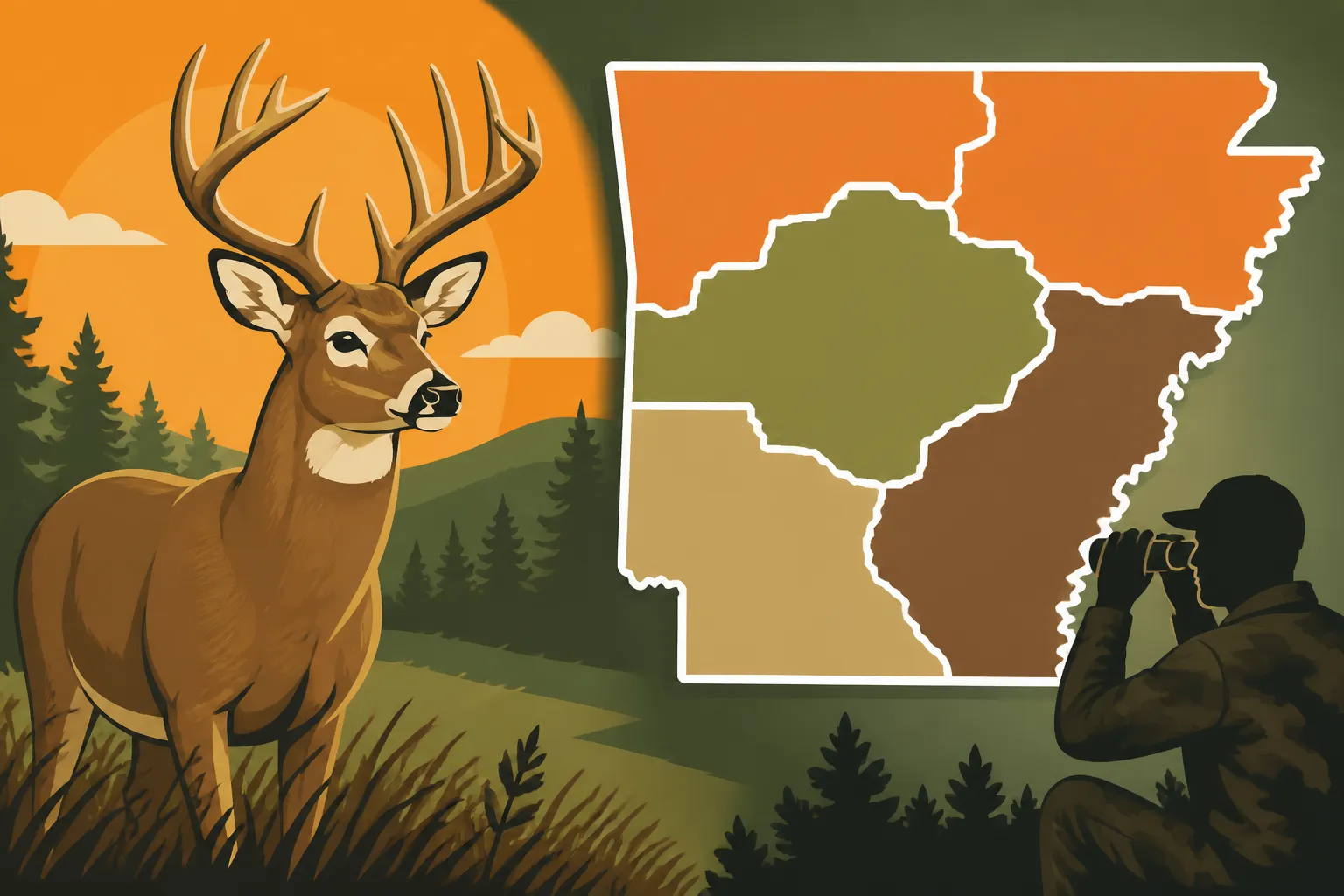
Arkansas Deer Seasons and Zone Limits
Navigating the world of deer hunting regulations in Arkansas can feel like trying to untangle a knotted fishing line after a long day on the water. With various zones, different season dates for archery, modern gun, and alternative firearms, and specific bag limits that can change depending on where you are, it’s easy to get overwhelmed. This guide is here to cut through the confusion, helping you understand the Arkansas deer seasons and zone limits so you can plan your hunts with confidence.
Understanding Arkansas's Deer Hunting Landscape
Arkansas is a state blessed with diverse landscapes, and with that comes a truly varied deer hunting experience. From the rolling hills of the Ozarks to the dense bottomland hardwoods of the Delta, and the sprawling pine plantations of the Ouachita Mountains, each region presents its own unique challenges and opportunities. This geographical diversity is a huge part of what makes hunting here so special, but it's also the primary reason why the Arkansas Game and Fish Commission (AGFC) has implemented a comprehensive zone system. They're trying to manage deer populations effectively across these very different habitats, ensuring healthy herds for generations to come.
The Diversity of Deer Habitat in Arkansas
Think about the difference between still-hunting through the steep, rocky terrain of the Boston Mountains in Northwest Arkansas compared to setting up a treestand in a flat, flooded timber hole in the Cache River bottoms. These aren't just different hunting styles; they're entirely different ecosystems supporting deer in distinct ways. In the Ozarks, deer often rely on acorns, browse, and scattered agricultural plots, while in the Delta, they might be feasting on soybeans, corn, and the rich mast crops of mature hardwoods. The sheer variety means deer distribution, population density, and even antler growth can vary wildly from one end of the state to the other. It's a testament to Arkansas's natural beauty, but it also necessitates a nuanced approach to game management.
Deer in the dense forests of the Ouachitas, for example, might have different nutritional resources and experience different levels of hunting pressure compared to those residing in the patchwork of agriculture and timber found in the eastern part of the state. This means that a "one-size-fits-all" approach to hunting seasons simply wouldn't work. The AGFC has to consider these ecological nuances to set harvest objectives that maintain balance, which ultimately translates to the various zones and regulations we hunters encounter. Understanding these underlying factors helps make sense of why the rules aren't always straightforward.
Why Zones and Seasons Vary So Much
The variation in zones and seasons isn't just for fun; it's a strategic management tool. The AGFC uses these distinctions to address specific population goals, habitat conditions, and even social factors in different parts of the state. For instance, areas with higher deer densities might have longer antlerless seasons or more liberal bag limits to help control the population and reduce potential damage to crops or forests. Conversely, zones where deer numbers are lower or where the agency is trying to encourage older age classes of bucks might have more restrictive rules, like shorter seasons or antler-point restrictions.
It’s about balancing ecological health with hunter opportunity. Nobody wants to see a deer herd overpopulated and unhealthy, nor do we want to hunt in an area with too few deer. The zone system allows for fine-tuned management, ensuring that the hunting pressure is distributed appropriately and that different regions can achieve their specific deer management objectives. This is why when you're planning your trip, you really need to drill down into the specifics of the zone you intend to hunt, because what's legal and encouraged in Zone 1 might be entirely different in Zone 16. It’s the AGFC’s way of keeping the resource healthy for all of us.
Arkansas Deer Zones Explained
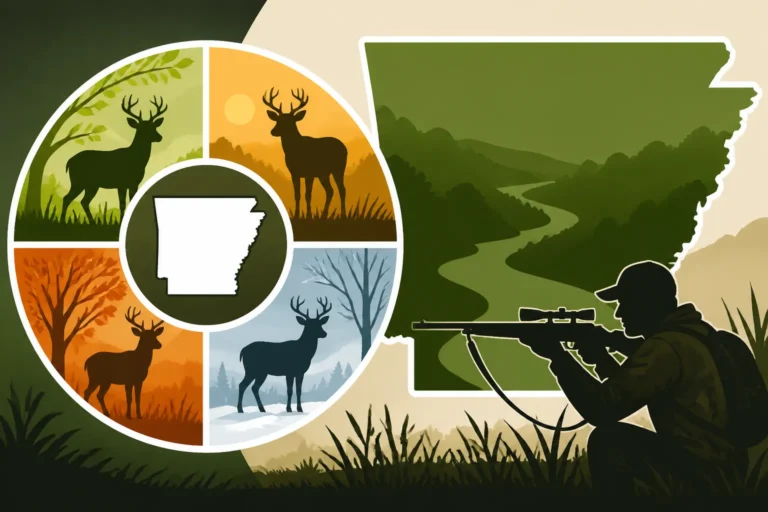
Arkansas is divided into various deer hunting zones, each with its own set of regulations regarding season dates, bag limits, and often, specific rules like antler-point restrictions. This system, while sometimes a bit of a jigsaw puzzle to piece together, is designed to reflect the ecological and population differences across the state. Truly understanding Arkansas Deer Zone Boundaries is the first step to a successful and legal hunt.
Breaking Down the Geographic Zones
The state of Arkansas is broadly categorized into a series of numbered zones. For example, Zones 1, 2, 3, 6, and 7 are generally in the mountainous regions of the Ozarks and Ouachitas, characterized by dense timber and often lower deer densities. In these zones, you might find slightly more conservative harvest regulations to help maintain or grow the herd. Then you have zones like 4 and 5 in the Gulf Coastal Plain, and a host of zones in the Delta (like 8, 9, 10, 11, 12, 13, 14, 15, and 16), which are known for their rich agricultural lands and often higher deer populations, leading to more liberal hunting opportunities.
Each zone's boundary is clearly defined, often following major highways, rivers, or county lines. It's absolutely crucial to know which zone you're hunting in before you ever step foot in the woods. Many hunters use mapping apps like GoHunt to pinpoint their exact location relative to zone lines, which can be a lifesaver, especially if you're hunting near a boundary. These zones aren't just arbitrary lines on a map; they represent distinct management units where deer populations and habitat conditions can vary significantly, dictating everything from season length to bag limits.
For example, Zone 1 is up in the extreme northwest corner of the state, rugged and forested, whereas Zone 16 is deep in the heart of the Delta, surrounded by flat farmlands and bottomland timber. The deer in Zone 1 will behave differently, eat different things, and face different pressures than the deer in Zone 16. The AGFC takes all this into account when setting regulations. So, while it can feel like a lot to learn, grasping the distinctions between these zones is fundamental to making informed decisions about where and when to hunt.
How Zone Boundaries Impact Hunters
The impact of zone boundaries on hunters is profound. It's not just about different dates; it can literally mean the difference between a legal harvest and a citation. Imagine you're hunting a property that straddles two zones, say Zone 7 and Zone 12. You might have one set of archery dates in Zone 7 and different dates for antlerless deer in Zone 12, even on the same piece of land. Without a clear understanding of the boundary and how the regulations apply to each side, you could easily make a mistake.
This is where detailed maps and pre-season scouting become absolutely invaluable. Many experienced hunters will mark zone boundaries on their hunting maps or GPS devices to avoid any confusion during the heat of the moment. The AGFC provides excellent resources, including interactive online maps, to help hunters visualize these boundaries. Failing to confirm your zone could lead to hunting out of season, exceeding bag limits, or inadvertently violating specific antler restrictions, all of which carry penalties. Taking the time to study Arkansas Deer Bag Limits by Zone and ensure you know your zone is a non-negotiable part of responsible hunting in Arkansas.
The zone system also influences hunting pressure. Some zones, particularly those with a lot of public land or historically strong deer populations, might see heavier hunter traffic during peak seasons. Other, more remote zones might offer a more solitary experience. When planning your hunt, consider not just the regulations for your target zone but also the potential for crowding, especially during prime times like the opening weekend of modern gun season. Hunters often use tools like GoHunt to scout areas virtually, looking at topography, cover, and proximity to zone lines to anticipate how deer and other hunters might move.
Archery Season: The Long Haul
For many passionate hunters in Arkansas, archery season is truly the main event. It's a lengthy season, often stretching for several months, giving bowhunters ample opportunity to connect with a deer. This extended window allows hunters to experience various phases of the deer's annual cycle, from early season patterns in the heat to the full-blown rut, and even late-season conditions. The challenge and reward of bowhunting, coupled with the generous season length, make it incredibly popular across the state. If you’re a bowhunter, understanding How Arkansas's Long Archery Season Works is key.
Key Dates for Bowhunters Across Zones
Arkansas's archery season typically kicks off in late September, usually around the 23rd, and can run all the way through February in many zones. This massive stretch of time is a bowhunter's dream, allowing for flexibility and multiple opportunities to get afield. However, it's not a uniform five-month free-for-all everywhere. While the start date is generally consistent statewide, the end date, and specific allowances for antlered versus antlerless deer, can vary by zone. Some zones might close earlier, particularly those with more conservative management goals, while others in high-density areas may maintain the full length.
For example, Zones 1, 2, 3, 6, and 7 in the Ozarks and Ouachitas often see a closing date around February 28th, but some Delta zones like 12, 13, and 16 might have antlerless opportunities available even into January. This means you need to consult the current year's AGFC regulations guide for the precise dates in your chosen zone. Planning a hunt in December or January? Make sure the season is still open for the type of deer you're targeting in your specific zone. That late-season window can be fantastic, as deer are often seeking out remaining food sources, but you've got to be legal.
Early Buck-Only and Antlerless Opportunities
One important aspect of the archery season is the presence of early buck-only days. Typically, the first few days of the archery season are reserved exclusively for antlered deer, meaning only bucks with a certain number of points (often the three-point rule applies) can be harvested. This is designed to give hunters a chance at mature bucks before intense pressure sets in. After this initial period, antlerless harvest usually opens up, either statewide or in specific zones, providing opportunities to fill those freezer tags. For specific early season rules, check out The Three-Day Early Buck-Only Archery Hunt.
Throughout the rest of the lengthy archery season, opportunities for antlerless deer are generally very liberal in most zones, especially those with high deer populations like the Delta. This helps the AGFC manage the overall herd size and sex ratio. However, even within the general archery season, certain WMAs or specific zones might have their own nuanced rules regarding antlerless harvest, so always double-check. The ability to pursue both antlered and antlerless deer throughout the fall and winter makes Arkansas archery hunting incredibly versatile, but it demands careful attention to the specific dates and bag limits applicable to your location.
Modern Gun Season: The Peak of Popularity
When most folks think about deer hunting in Arkansas, they're probably picturing the modern gun season. This is, without a doubt, the most popular and often the most intense period of the deer hunting calendar. It brings out the largest number of hunters, especially on public lands and during the opening weekends. The opportunity to use a wide array of firearms, from traditional centerfire rifles to shotguns and pistols, adds to its appeal, making it a truly accessible season for many. Given the popularity, understanding the intricacies of Arkansas Modern Gun Deer Hunting is critical.
Primary Modern Gun Dates and Duration
The main modern gun season generally kicks off in mid-November and runs for about a week to ten days in most zones. This short, intense burst of hunting is when a significant portion of the annual deer harvest occurs. The exact start and end dates can shift slightly each year based on the calendar, so always verify the current AGFC proclamation. Historically, the season begins around November 11th or 12th, offering prime conditions as deer are typically in or near the peak of the rut across much of the state.
While the primary modern gun season is fairly uniform in length, the number of modern gun days can vary by zone. High-density zones in the Delta might have a longer season or more liberal opportunities, including those extra "Christmas" days we'll talk about. Conversely, some zones, particularly those with sensitive populations or specific management goals, might have a shorter modern gun window. This is another reason why it's so important to consult the official regulations for your specific hunting area; don't just assume what applies to your friend's lease in one county applies to your public land hunt in another. The intensity of this season also means increased hunter pressure, so be prepared for crowds, especially on public lands.
The Christmas Modern Gun Days
One of the most anticipated additions to the deer hunting calendar for many modern gun hunters is the special Christmas modern gun season. This is typically a short, few-day season, usually held in late December, often just after Christmas. Its purpose is to provide an additional opportunity to harvest deer, particularly antlerless deer, in zones where population management needs dictate further harvest. These days are usually restricted to specific zones, most commonly those with high deer densities, particularly across the Delta.
The Christmas hunt usually runs for two or three days, and it's an excellent chance for hunters who might have missed out on the general modern gun season or who want to fill extra antlerless tags. It's especially popular for family hunts during the holiday break. However, it's absolutely vital to confirm which zones are open for the Christmas hunt, as it's definitely not a statewide opportunity. Checking the AGFC regulations for Arkansas Modern Gun Season Structure will show you exactly which zones participate and the exact dates. For zones that do participate, it's a fantastic bonus that helps manage the deer herd while also giving hunters another shot at success during a festive time of year.
Alternative Firearms Seasons: Muzzleloaders and More
While archery and modern gun seasons grab a lot of headlines, Arkansas also provides dedicated opportunities for hunters who prefer alternative firearms. This includes muzzleloaders, which often get their own dedicated season, and other specific firearms that fall under the "alternative" category. These seasons often serve as a bridge between archery and modern gun, or offer a unique challenge for those looking to experience hunting in a different way.
Muzzleloader Season Specifics
Muzzleloader season in Arkansas is typically a distinct, short season, often falling in mid-October. This timing places it nicely between the early archery season and the main modern gun rush, offering hunters a chance to hunt during what can be excellent conditions, with cooler weather and potentially active deer as the rut approaches. Muzzleloaders, with their single-shot nature and smoke-pole charm, provide a more traditional and often more challenging hunting experience. It's a fantastic time to be in the woods, especially if you appreciate the slower pace and historical connection of primitive firearms.
The rules for muzzleloader season are generally statewide, but like all seasons, always double-check for any zone-specific nuances or WMA restrictions. During muzzleloader season, typically both antlered and antlerless deer can be harvested, subject to the zone's specific bag limits and the three-point rule where applicable. For those interested in this unique hunting experience, a deep dive into Arkansas Muzzleloader and Alternative Firearms Tactics can be incredibly beneficial. It's a season that rewards patience and careful shot placement, making it a favorite for many seasoned hunters.
What Qualifies as an Alternative Firearm
The term "alternative firearms" in Arkansas extends beyond just muzzleloaders, encompassing a specific list of weapons that can be used during designated alternative firearms seasons. These seasons typically occur in late October or early November, bridging the gap between muzzleloader season and the primary modern gun season. The AGFC defines alternative firearms to include specific types of traditional and less common hunting weapons, providing diverse hunting options for the state's sportsmen and women.
Generally, legal alternative firearms include:
- Muzzleloading rifles and pistols: Both percussion and flintlock, .40 caliber or larger, shooting a single projectile.
- Straight-wall centerfire firearms: non-semiautomatic, .30 caliber or larger. Shotguns with slugs are not allowed.
- Archery equipment: Bows and crossbows are usually legal during alternative firearms seasons.
- Air rifles: Large caliber air rifles (typically .40 caliber or larger) specifically designed for hunting big game, shooting a single projectile.
- Spear guns: Used by licensed divers for taking fish, though not directly relevant to deer season.
It's absolutely critical to consult the most current AGFC regulations to verify what constitutes a legal alternative firearm for deer hunting. Rules can change, and specific calibers or projectile types may be mandated. These seasons provide unique opportunities, often with less hunting pressure than the modern gun season, making them an appealing choice for those who enjoy a different kind of challenge. Knowing What Counts as an Alternative Firearm is key to ensuring a legal and ethical hunt during these windows.
| Season Type | Typical Dates (Approximate) | Permitted Deer (Zones Vary) | Popularity |
|---|---|---|---|
| Archery | Late Sept – Feb 28 | Antlered & Antlerless | High |
| Muzzleloader | Mid-Oct (Short Window) | Antlered & Antlerless | Moderate |
| Alternative | Late Oct – Early Nov | Antlered & Antlerless | Moderate |
| Modern Gun | Mid-Nov (1-2 Weeks) | Antlered & Antlerless | Very High |
| Christmas Gun | Late Dec (2-3 Days) | Antlered & Antlerless | Moderate |
Note: Dates and specific regulations are subject to change annually. Always consult the official AGFC hunting proclamation for the current year.
Bag Limits and the Three-Point Rule
Beyond just knowing when you can hunt, understanding how many deer you can harvest and what kind of deer are legal is paramount. Arkansas, like most states, has implemented bag limits and specific antler restrictions to manage the deer herd effectively. These rules are designed to ensure sustainable populations, promote balanced age structures, and contribute to healthier deer for the future. Ignoring these can lead to penalties and goes against the very spirit of responsible hunting.
Statewide and Zone-Specific Bag Limits
Arkansas implements both a statewide annual bag limit and zone-specific daily and seasonal limits. The statewide annual bag limit for deer is generally generous, but it's the zone-specific limits that truly dictate your harvest strategy. For most hunters, the antlered deer limit is two per season, often with a restriction that only one of those can be harvested during the modern gun season. However, this can vary, with some zones allowing more. Antlerless deer limits are typically much more liberal, particularly in agricultural zones or those with high deer densities. Some zones might allow multiple antlerless deer per day, up to a seasonal maximum.
It’s easy to get confused, so using tools like GoHunt can help you keep track of what's legal in your specific zone. Remember, these limits are in place to ensure that enough deer survive to reproduce and maintain a healthy population. Over-harvesting, especially of does, can significantly impact future deer numbers in a localized area. Always consult the current AGFC regulations for Arkansas Deer Bag Limits by Zone to know your precise limits, as they can sometimes change based on population surveys and management objectives.
For instance, in some Delta zones, you might be able to harvest multiple antlerless deer during the longer archery season, while in a mountainous Ozark zone, antlerless opportunities might be much more restricted. This reflects the AGFC's strategy to allow for higher harvest where deer populations are robust and to be more conservative where they are recovering or are naturally less dense. Staying informed on these numbers is just as important as knowing your dates.
Understanding the Three-Point Rule and Its Impact
The "three-point rule" is one of Arkansas's most significant deer management tools, and it generates a fair bit of discussion among hunters. Simply put, in zones where it's in effect, an antlered buck must have at least three points on one side of its antlers to be legally harvested. This means spikes, forked horns, or small four-pointers (two points on each side) are often protected, depending on their specific antler configuration. The rule's primary goal is to increase the age structure of the buck population, allowing younger bucks to mature and spread their genetics before being harvested. This protection leads to more older, larger-antlered bucks in the herd over time, which many hunters appreciate.
Not all zones in Arkansas have the three-point rule, so checking the regulations for your specific hunting area is paramount. Typically, it's applied in zones where the AGFC is actively working to improve buck age structure. While it can be frustrating to pass on a legal deer that doesn't meet the three-point requirement, the long-term benefits for the deer herd are well-documented. Many hunters feel this rule has undeniably led to seeing more mature bucks in the woods. To really grasp its implications and how it has changed hunting in the state, understanding The Arkansas Three-Point Rule is essential. It's a management strategy that requires hunters to make ethical choices and contributes to a healthier, more robust deer population overall.
Youth Hunts and Special Opportunities
Arkansas is dedicated to fostering the next generation of hunters, and a key part of that commitment comes in the form of dedicated youth hunting seasons. These special opportunities allow younger hunters to get into the field with mentors during less pressured times, often before the general seasons open. Beyond youth hunts, the AGFC sometimes implements other special hunt opportunities designed to address specific management needs or provide unique experiences.
Dedicated Youth Deer Hunts
The youth deer hunts are incredibly popular and provide a fantastic gateway for young people to experience the thrill of deer hunting. Typically, there's a youth archery deer hunt and a youth modern gun deer hunt. The youth modern gun hunt usually occurs on a weekend in early November, often a week or two before the general modern gun season opens. This timing is strategic, allowing youth hunters to experience the woods without the intense pressure and crowds of the general season. It also often coincides with excellent deer activity, as the pre-rut or early rut might be in full swing.
During these youth hunts, participants (typically under 16 years of age) must be accompanied by a non-hunting adult mentor who is at least 18 years old. The bag limits and legal deer often mirror the general season, but it's crucial to confirm this in the current regulations. These hunts are about safety, mentorship, and building a love for the outdoors. They're a cornerstone of hunter recruitment and retention in Arkansas, providing valuable learning experiences in a supportive environment. Always check Youth Deer Hunt Dates and Rules for the most up-to-date information for these important seasons.
Other Special Deer Hunt Opportunities
While less common, the AGFC occasionally offers other special deer hunt opportunities beyond the standard season structure. These are often highly localized or designed to address specific issues. For example, in Chronic Wasting Disease (CWD) management zones, there might be specific CWD-focused hunts or carcass disposal rules to mitigate disease spread. Some Wildlife Management Areas (WMAs) might have special quota hunts or managed hunts to control localized populations or address habitat concerns.
These special hunts are usually limited entry or require a specific permit application, and they are announced well in advance through the AGFC's official channels. They underscore the dynamic nature of wildlife management and the agency's proactive approach to maintaining healthy deer herds. While not part of the regular season calendar for most hunters, keeping an eye on the AGFC website for these announcements can sometimes yield unique hunting experiences or opportunities to contribute to conservation efforts. Always check for specific regulations, application periods, and any unique requirements for these types of hunts.
Checking Deer and Compliance
After all the planning, scouting, and actual hunting, the moment of truth arrives when you successfully harvest a deer. But the process isn't over once the shot is fired. In Arkansas, like everywhere else, there are crucial steps you must take to legally check your deer and remain compliant with state regulations. This isn't just bureaucratic red tape; it's vital for wildlife management, providing the AGFC with essential data to monitor deer populations, track harvest trends, and make informed decisions about future seasons and limits.
The Importance of Deer Checking
Every deer harvested in Arkansas must be checked within a specific timeframe, usually by midnight on the day the deer was killed. This mandatory process is how the AGFC collects critical harvest data, including the date, county of harvest, and whether the deer was antlered or antlerless. This information is then compiled and analyzed to gauge the health of the deer population, assess the effectiveness of current regulations, and inform future management strategies. Without accurate harvest data, the AGFC would be flying blind, unable to make sound decisions that benefit both the deer and hunters.
Checking your deer is simple and can typically be done in a few ways: via the AGFC website, through their mobile app, or by calling a toll-free number. You'll need to provide your license number and details about the harvest. Once completed, you'll receive a confirmation number that you must write on your deer tag and attach to the animal. This tag must remain with the deer until it reaches its final destination for processing. It's a small but essential responsibility for every hunter, ensuring the sustainability of our cherished deer resource. For comprehensive details on Arkansas Deer Checking and Tagging, make sure to review the official guide.
Avoiding Common Violations
Understanding and adhering to all regulations is paramount to avoiding common violations that can quickly turn a successful hunt into a legal headache. The AGFC takes violations seriously, and ignorance of the law is rarely an acceptable excuse. Some of the most frequent issues stem from simple oversight or misunderstanding.
Common pitfalls include:
- Hunting in the wrong zone: As we discussed, zone boundaries mean different rules. Hunting in Zone 16 when you thought you were in Zone 12 can lead to hunting out of season or violating antler restrictions. Always verify your location, perhaps using a reliable app like GoHunt which shows property lines and WMAs.
- Exceeding bag limits: Whether it's the daily antlerless limit or the seasonal antlered buck limit, keeping track of your harvest is crucial. Some hunters use their phone or a small notebook to log their kills immediately.
- Harvesting an illegal buck: This is often related to the three-point rule. In the excitement of the moment, it's easy to misjudge points. Take your time, confirm the antlers, and if there's any doubt, let the deer walk.
- Failing to check a deer: Not checking your deer by the deadline is a violation, and it deprives the AGFC of valuable data.
- Improper tagging: The confirmation number must be on your tag and securely attached. Don't just throw it in your pocket.
By being diligent, double-checking the regulations for your specific zone and dates, and completing the checking process accurately, you ensure a legal and ethical hunt. Remember, respecting the rules is part of being a responsible steward of Arkansas's wildlife, and it ensures these opportunities remain for all of us.
Disclaimer
Please remember that hunting regulations, season dates, and zone boundaries are subject to change annually by the Arkansas Game and Fish Commission (AGFC). While this guide provides comprehensive information, it is not a substitute for the official AGFC Hunting and Trapping Guide or direct consultation with the AGFC. Always verify all regulations for the current hunting season before heading afield.