What an Arkansas Duck Lodge Provides
For many duck hunters, the dream of an Arkansas duck hunt conjures images of flooded timber, whistling wings, and perhaps a cozy lodge. But what exactly does that experience entail when you book with an Arkansas duck lodge? It's a question many ask, especially those traveling from out of state or new to guided hunts, and the reality is, a good lodge offers far more than just a place to lay your head. It’s an immersive experience designed to take the stress out of the hunt and maximize your time in the field.
Beyond Just a Blind: The Full Duck Lodge Experience
When you decide to go with a duck lodge in Arkansas, you're not just reserving a spot in a blind; you're often buying into a complete package designed to handle almost every aspect of your hunting trip. This holistic approach is a huge draw for hunters who want to focus on the camaraderie, the calling, and the shooting, without getting bogged down in the logistical headaches that often accompany self-guided trips. Think of it as a hunting vacation where all the details are taken care of, from sunup to sundown.
More Than a Place to Sleep: Accommodations and Comforts
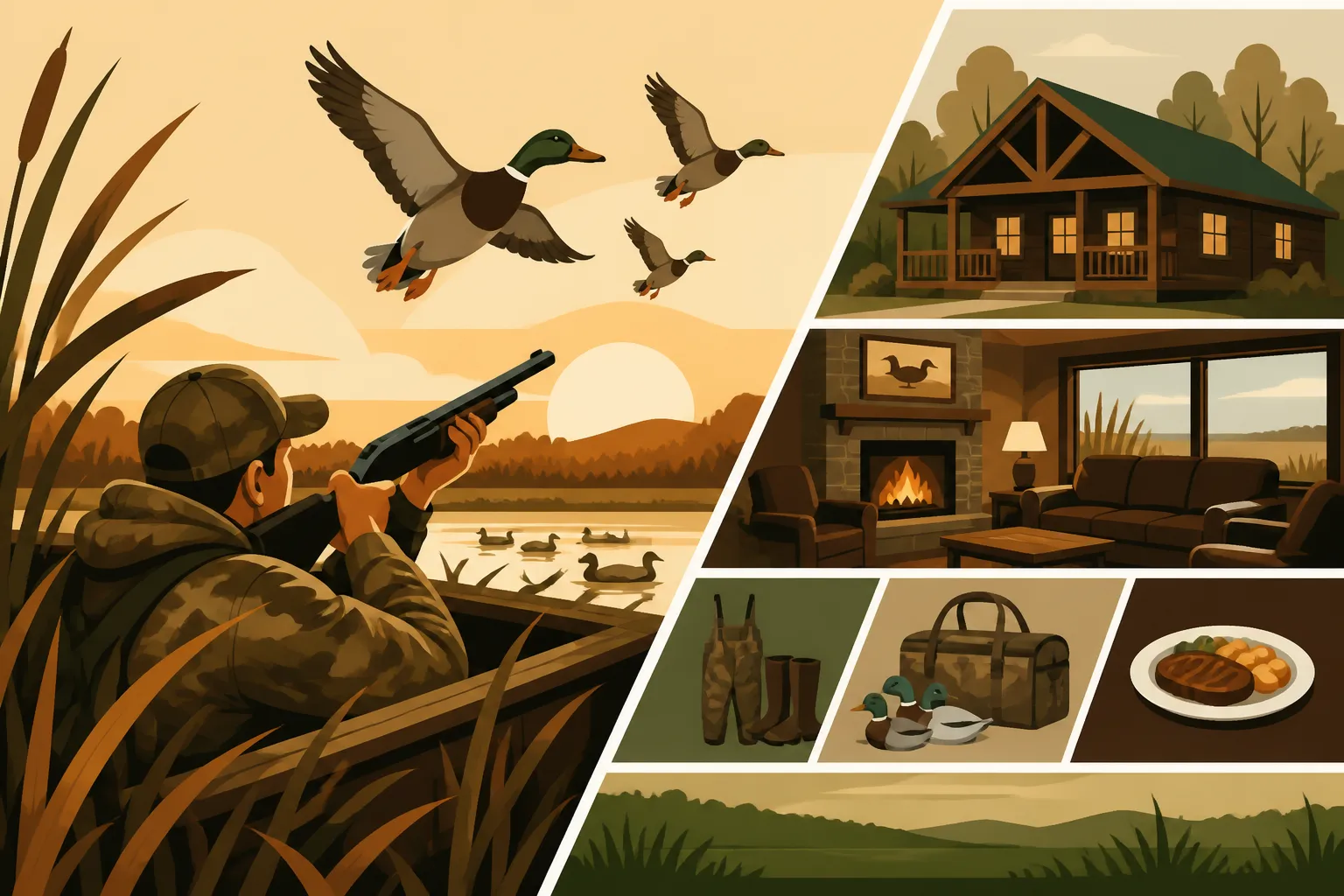
Let's be real, after a frigid morning in the blind, battling the elements and wading through icy water, a warm, comfortable place to retreat to is priceless. Arkansas duck lodges understand this implicitly. You won't find yourself roughing it in a tent or a cramped motel room often when you book with a reputable lodge. Instead, you're typically looking at comfortable, well-maintained accommodations that feel more like a home away from home, or even a rustic resort, than a basic hunting camp.
These lodges often feature common areas where hunters can relax, swap stories, and unwind. Picture a large living room with a roaring fireplace, comfortable couches, and maybe a big-screen TV to catch up on the day's events or watch a football game. Individual rooms or cabins are generally clean, warm, and provide a much-needed sanctuary for rest. Some even offer private bathrooms, which, let's be honest, is a luxury that's deeply appreciated after a long day afield. The level of luxury can vary greatly, of course, from more modest, no-frills lodges to high-end operations with all the amenities. Regardless, the emphasis is usually on providing a welcoming and restorative environment. It’s about being able to truly relax between hunts, knowing you don’t have to worry about cleaning or chores – just gearing up for the next flight. This comfort extends to things like heated drying rooms for wet waders and jackets, which is an absolute game-changer when you're facing multiple cold, wet hunts.
Fueling the Hunt: Meals and Hospitality
You simply can't hunt hard on an empty stomach, and Arkansas duck lodges know this better than anyone. One of the most cherished aspects of the lodge experience is often the food. Forget about grabbing a quick granola bar and coffee – many lodges pride themselves on providing hearty, home-cooked meals that are both delicious and plentiful. We're talking about substantial breakfasts before the hunt, often featuring classics like eggs, bacon, sausage, biscuits, and gravy, all designed to stick to your ribs and provide the energy needed for a morning in the blind.
After the morning hunt, you might come back to a warm lunch, perhaps a spread of sandwiches, soups, or even something cooked up fresh. Then, the evenings often culminate in a fantastic dinner, a true highlight of the day. This could range from classic Southern comfort food like fried chicken, pot roast, or barbeque, often with delicious sides, to more gourmet offerings depending on the lodge. These meals aren't just about sustenance; they're a vital part of the social experience, bringing hunters together around a table to share their triumphs, near misses, and plans for the next day. The hospitality staff at these lodges are often locals, passionate about the hunting culture, and eager to ensure you feel welcome and well-fed. Many lodges understand that the communal meal is where bonds are forged and memories are made, often just as much as in the blind itself. This focus on good food and fellowship transforms a basic hunting trip into a memorable experience that nourishes both body and soul.
The Core Offering: Guided Hunts and Expert Knowledge
While the creature comforts of a lodge are fantastic, the true heart of what an Arkansas duck lodge provides is the guided hunt itself. This is where their expertise, resources, and local knowledge truly shine, setting them apart from a self-guided trip. For many, especially those new to hunting in the Delta or the vastness of the Ozarks, a guide is not just helpful but essential. It's an investment in a higher probability of success and a smoother, more enjoyable experience.
Access to Prime Real Estate: Leased and Managed Properties
One of the biggest advantages of booking with an Arkansas duck lodge is gaining access to prime hunting ground that would otherwise be inaccessible to the average hunter. Most reputable lodges operate on privately owned or leased land – often thousands of acres of flooded timber, rice fields, or moist-soil units that have been carefully managed for waterfowl. Finding quality, unpressured public land in Arkansas, especially during peak season, can be incredibly challenging. Scouting Arkansas Public Land Before Season is a monumental task, and even then, competition can be fierce.
Lodges often have long-standing relationships with landowners, securing exclusive hunting rights to properties strategically located along major flyways or adjacent to large refuges. This means hunters benefit from carefully selected spots that are scouted daily, ensuring you're placed where the ducks are most likely to be. These properties are often managed specifically for waterfowl, with water levels controlled, food plots maintained, and blinds strategically placed. This allows for a more controlled and often more productive hunting experience compared to trying to navigate the unpredictable nature and heavy pressure of public land. The value of this exclusive access cannot be overstated, particularly in a state as renowned for duck hunting as Arkansas. This managed habitat helps concentrate birds, providing more consistent opportunities than trying to find unpressured birds on your own.
The Skill of the Guide: Calling, Decoys, and Dog Work
The guide themselves is arguably the most critical element a duck lodge provides. These are often seasoned waterfowlers who have spent a lifetime hunting the specific local areas. They possess an intimate knowledge of duck behavior, migration patterns, and local geography that simply cannot be learned in a few days. They know when to call, how to call, and crucially, when not to call. Calling Ducks in Tight Arkansas Timber requires a very different touch than calling in open fields, and these guides have mastered those nuances.
Your guide will handle everything from setting up the decoy spread – knowing exactly what configuration works best for the conditions and the specific spot – to calling the birds into range. Many lodges employ guides with well-trained retrieving dogs, saving you the hassle of bringing and managing your own dog, though some lodges do allow you to bring your furry companion. The guide's experience in reading the flight patterns, anticipating incoming birds, and making the crucial decision of "take 'em!" is invaluable. They also ensure the hunt adheres to all local regulations, from shooting hours to bag limits, providing peace of mind. This level of expertise and hands-on management allows you to immerse yourself fully in the hunt, knowing you're in capable hands. They'll coach you on shooting, help you identify species, and generally act as a knowledgeable host for your entire time in the blind.
Understanding Hunt Logistics: Morning vs. Afternoon and Group Dynamics
Most Arkansas duck lodges primarily offer morning hunts, which are generally considered the most productive time for ducks, especially in flooded timber. Waking up well before dawn, having breakfast, and being transported to the blind in the dark is part of the tradition. However, some lodges might offer afternoon hunts, or "combo" hunts that include both, depending on local regulations and the specific properties they control. It's always important to clarify the hunt schedule when Booking an Arkansas Duck Hunt to ensure it aligns with your expectations.
Lodges also vary in their group dynamics. Some may put small, pre-formed groups of hunters together, while others might combine individual hunters to fill a blind. The size of the hunting party in a blind can impact the experience, and it's worth asking about the typical group size and guide-to-hunter ratio. A good lodge aims for a comfortable number of hunters per blind, allowing everyone sufficient space and shooting opportunities without feeling overcrowded. You'll often find yourself hunting alongside fellow enthusiasts, sharing stories and creating new friendships, which is a big part of the appeal for many. Understanding these logistical details upfront helps manage expectations and ensures a smoother, more enjoyable experience.
The Practicalities: Gear, Birds, and Logistics Support
Beyond the accommodations and the guided hunt itself, Arkansas duck lodges provide a crucial layer of practical support and services that address the myriad details of a hunting trip. This eliminates many of the common stresses and headaches, allowing you to focus on the experience. From what gear you need to bring to how your ducks are handled after the shot, they have you covered.
Equipment Provided and What to Bring
One common question is, "What do I need to bring to an Arkansas duck lodge?" While you'll always need your shotgun, ammunition (nontoxic shot is a must in Arkansas for waterfowl!), and your personal hunting license and stamps, lodges often provide a surprising amount of other gear. This can include decoys, calls, and transportation to and from the blinds. Some even provide waders if you don't have your own, or offer rental options. However, it's always best to bring your own comfortable, broken-in waders and waterproof outerwear, as fit and comfort are crucial.
Here's a quick rundown of what's typically provided versus what you should plan to bring:
| Item | Typically Provided by Lodge | Hunter Should Bring (Essentials) |
|---|---|---|
| Blinds/Hunting Location | Yes, including pre-scouted spots | N/A |
| Decoys | Yes | N/A |
| Calls (guide uses) | Yes (guides are proficient callers) | Optional (for personal use, but defer to guide's calling) |
| Transportation to Blind | Yes (ATVs, boats, trucks, etc.) | N/A |
| Guide/Dog | Yes | Optional (check lodge policy for bringing own dog) |
| Meals & Drinks | Yes (breakfast, lunch, dinner, non-alcoholic drinks) | Snacks, personal alcoholic beverages (if allowed) |
| Accommodations | Yes | N/A |
| Hunting Gear | ||
| Shotgun | No | Yes (and a case) |
| Ammunition | No (nontoxic shot only) | Yes (plenty for each hunt) |
| Waders & Boots | Sometimes (rentals/spares), but bring your own for comfort | Yes (warm, waterproof) |
| Outerwear | No | Yes (layers, waterproof/windproof jacket & pants) |
| Headlamp/Flashlight | No | Yes |
| Hat/Gloves | No | Yes |
| Cooler for game | No (lodge might have common storage, but bring your own) | Yes (for transport home) |
| Hunting License/Stamps | No (must purchase yourself) | Yes |
| Eye/Ear Protection | No | Yes |
Always check with your specific lodge well in advance for their exact list of what they provide and what they expect you to bring. This communication is key to a smooth trip. For some lodges, especially those you might find listed on platforms like BookYourHunt or GoHunt, their profiles will clearly outline what's included in their packages.
After the Shot: Bird Processing and Handling
So, you've had a successful hunt, and you've bagged your limit of mallards, gadwall, and maybe a pintail or two. Now what? This is another area where Arkansas duck lodges truly simplify the process. Many lodges include Bird Cleaning Included in the Price of your hunt. This means you don't have to worry about cleaning your ducks after a long morning in the field. Lodge staff or dedicated bird cleaners will breast out, pluck, or otherwise process your birds according to your preference, often packaging them for easy transport.
They’ll usually have walk-in coolers or freezers to store your birds, keeping them fresh until your departure. This is a massive convenience, especially if you're flying home or have a long drive. Imagine arriving home after a successful trip and not having to spend hours cleaning birds – that's a luxury most hunters deeply appreciate. When planning your trip, remember to bring a good-sized cooler for Getting Ducks Home From Arkansas, as you’ll need to transport your processed birds. Always confirm with the lodge how they handle bird processing and storage, as policies can vary. Some may offer it as an add-on service for an additional fee.
Navigating Permits and Regulations
Hunting in a new state can be daunting, especially with varying regulations, license requirements, and migratory bird stamp rules. A good Arkansas duck lodge will often assist or guide you through the process of obtaining the necessary licenses and stamps. While they cannot purchase them for you, they can provide clear instructions on what you need, where to buy them (usually online through the Arkansas Game and Fish Commission website), and deadlines.
This includes understanding federal and state duck stamps, the HIP (Harvest Information Program) registration, and any specific WMA permits if the lodge utilizes public lands for certain hunts (though most operate on private ground). They'll also ensure that your hunt adheres strictly to legal shooting hours, bag limits, and any other specific rules for the zone you're hunting in. For instance, Arkansas Hunter Orange Rules may not apply to waterfowl hunting in a blind, but knowing all regulations for other species or activities is generally helpful. This guidance takes a huge burden off the hunter, ensuring compliance and a worry-free experience.
Additional Amenities and Services
The core offerings of accommodation, food, and guided hunts are what draw most people to an Arkansas duck lodge, but many establishments go above and beyond, offering a range of additional amenities and services that enhance the overall experience. These extra touches can often be the deciding factor when choosing between lodges, especially if you're looking for a truly comprehensive experience.
Enhancing the Off-Season: Training and Storage
Some duck lodges extend their services beyond the hunting season, especially those with extensive facilities. You might find lodges that offer dog training programs, utilizing their managed wetlands and fields to help hunters train their own retrieving dogs during the off-season. This can be a fantastic way to develop your dog's skills under expert guidance, and it also allows you to return to a familiar setting year after year. These programs often include obedience training, retrieve drills, and even advanced marsh work, leveraging the same prime habitat used for hunting.
Additionally, some lodges might offer long-term storage options for gear, especially for repeat clients who travel from far away. Imagine not having to haul your waders, decoys, or other bulky equipment back and forth every season. While not universal, these specialized services highlight how some lodges truly cater to the dedicated waterfowl enthusiast, building a community and offering support well beyond the brief hunting season. It’s about being a year-round resource for the serious duck hunter.
Planning and Booking Support
The process of planning a guided hunt can be complex, especially for large groups or those unfamiliar with the region. Reputable Arkansas duck lodges, and the platforms that list them like BookYourHunt and GoHunt, often provide extensive planning and booking support. This can include detailed information about their packages, availability, and pricing. They'll help you understand What an Arkansas Guided Duck Hunt Costs and what’s included, ensuring there are no surprises.
Many lodges are adept at handling group bookings, coordinating logistics for multiple hunters, and even helping with transportation advice, such as suggesting Nearest Airports for an Arkansas Duck Hunt or providing directions. They'll walk you through deposit schedules, cancellation policies, and any waivers or paperwork required. Some might even offer advice on local attractions or other activities for non-hunting guests. This comprehensive support transforms the booking process from a potential headache into a smooth, seamless experience, allowing you to look forward to your hunt with excitement rather than anxiety. When you're looking into Choosing an Arkansas Hunting Lodge, don't hesitate to ask about their booking process and the level of support they offer. You’ll want to be sure you have all the information you need, including a clear understanding of Outfitter Contracts and Deposits in Arkansas. Checking an outfitter's reputation and reading reviews on platforms like BookYourHunt can also provide valuable insight into the quality of their planning and customer service.
Tipping and Financial Considerations
Understanding the financial aspects of a guided duck hunt is crucial, and it goes beyond just the upfront cost of the package. Many hunters, especially those new to guided experiences, wonder about tipping and other potential expenses.
Tipping Protocol for Guides and Staff
Tipping is a customary and expected part of a guided hunting experience, and it's a way to show appreciation for the hard work and dedication of your guides, dog handlers, and lodge staff. While not mandatory, it's generally considered good etiquette, and these individuals often rely on tips as a significant part of their income. Guides, in particular, spend long hours scouting, setting up blinds, calling, and working their dogs, often in challenging conditions.
For guides, a common range for tipping is around 10-20% of the hunt's daily cost per hunter, though this can vary based on the quality of the experience, the effort expended, and your satisfaction. If you had an exceptional hunt, felt the guide went above and beyond, or their dog work was incredible, a higher tip is certainly warranted. Don't forget other staff, such as bird cleaners, cooks, and housekeepers, who also contribute to your comfortable stay. A separate tip for bird cleaners, often a few dollars per bird, is common, and a general tip for the lodge staff can be left with the lodge manager or in a designated tip jar. Always check with the lodge directly, as some might have specific guidelines or preferred methods for tipping. A good resource for understanding these expectations is often found when researching Tipping Guides and Dog Handlers.
Hidden Costs and What to Clarify Upfront
While lodges aim to offer comprehensive packages, it's important to clarify exactly what's included to avoid any surprises. Beyond the stated hunt price, potential additional costs could include:
- License and Stamp Fees: As mentioned, these are almost always your responsibility and are not included in the lodge package.
- Ammunition: You'll need to purchase your own nontoxic shotshells. Some lodges might have a small supply for emergency purchase, but don't count on it.
- Wader Rentals: If the lodge provides waders, check if there's a rental fee.
- Alcoholic Beverages: Most lodges provide non-alcoholic drinks, but you'll likely need to bring or purchase your own beer, wine, or spirits.
- Special Requests: Any unique dietary needs or additional services not explicitly listed might incur an extra charge.
- Taxidermy/Processing Beyond Basic Cleaning: If you want a full mount or special cuts, the lodge might facilitate connections but the cost is yours.
- Transportation to and from the lodge: Airfare, car rentals, and fuel are typically not covered.
Always ask for a detailed breakdown of what's included and any potential extra costs when booking. A reputable lodge will be transparent and happy to answer all your questions, ensuring you have a clear picture of the total investment.
Choosing the Right Arkansas Duck Lodge for Your Hunt
With so many options, from the world-famous lodges around Stuttgart and Grand Prairie Duck Lodges to more secluded operations specializing in Green Timber Versus Rice Field Guides, selecting the right lodge for your Arkansas duck hunt can feel a bit overwhelming. It's a significant investment, both in time and money, so doing your homework is essential.
Researching Lodge Options and Specializations
Arkansas offers a diverse range of duck hunting experiences, and lodges often specialize in one or more types. Some are timber specialists, focusing on classic flooded timber hunting. Others might concentrate on field hunting over rice, bean, or cornfields. Many offer a combination, providing variety. Think about the kind of experience you're dreaming of. Do you want the iconic green timber hunt, or are you eager for fast-paced field action?
Platforms like BookYourHunt and GoHunt are excellent starting points, as they aggregate listings with detailed descriptions, photos, and often reviews from previous clients. Pay attention to details about the lodge's location, the type of terrain they hunt, their average group size, and what their packages include. Don't just look at the price; consider the overall value proposition. A slightly more expensive lodge might offer more inclusions, better accommodations, or more experienced guides, making it a better value in the long run.
Reading Reviews and Asking for References
One of the most valuable tools in choosing a lodge is feedback from other hunters. Online reviews on booking platforms, hunting forums, or social media groups can provide candid insights into the quality of a lodge's hunts, accommodations, food, and staff. Look for consistent themes in positive reviews – excellent guides, plentiful birds, great food, and welcoming hospitality. Be wary of lodges with very few reviews or a pattern of negative feedback, especially concerning safety, guide behavior, or unfulfilled promises.
Beyond online reviews, don't hesitate to ask the lodge directly for references from past clients. A confident and reputable lodge will be happy to provide contact information for a few recent guests. When you speak with references, ask specific questions about their experience:
- How accurate was the lodge's description of the hunt?
- How were the guides? Were they knowledgeable and personable?
- How was the bird cleaning and processing?
- Were there any unexpected costs or issues?
- Would they recommend the lodge to a friend?
These conversations can provide a deeper understanding of what to expect and help you make an informed decision. This due diligence is a critical step in Checking an Arkansas Outfitter's Reputation.
Questions to Ask Before Booking
Once you've narrowed down your choices, prepare a list of questions to ask the lodge manager or owner before you put down a deposit. This is your opportunity to clarify everything and ensure the lodge is a good fit for your group.
- Availability: Confirm specific dates and group size.
- Inclusions: Get a detailed list of what's included (meals, drinks, bird cleaning, transportation, guide, dog, etc.) and what's not.
- Pricing: Confirm the total cost per hunter, deposit requirements, payment schedule, and any potential extra fees.
- Cancellation Policy: Understand their policy for cancellations, especially due to weather or unforeseen circumstances.
- Hunting Style: Clarify whether it's primarily timber, field, or a mix, and if you have any choice in the matter.
- Guide-to-Hunter Ratio: How many hunters will be in a blind with one guide?
- Dog Policy: If you plan to bring your own dog, confirm their policy, kennel facilities, and any additional fees.
- Physical Demands: Ask about wading distances, boat access, or other physical requirements of the hunt to ensure it matches your group's capabilities.
- Safety Protocols: Inquire about their safety measures in the blind, during transport, and general lodge safety.
Asking these questions upfront will prevent misunderstandings and help ensure that your Arkansas duck hunting adventure lives up to your expectations. A truly great lodge wants you to have an incredible time and will be transparent every step of the way.
Disclaimer
This article is for general informational purposes only and does not constitute professional advice. Laws, prices and regulations vary by location and change over time. Consult a qualified professional for guidance on your specific situation.