Handling Bear Meat Safely
The thrill of a successful bear hunt in Arkansas is truly something else, but once that magnificent animal is on the ground, a new, critical phase begins: ensuring the meat is handled properly. Many hunters, especially those new to bear, underestimate the unique challenges and absolute necessities involved in safely processing bear meat, often leading to disappointment or, worse, health risks. This guide will walk you through everything you need to know to transform your Arkansas black bear into delicious, safe table fare.
Why Bear Meat Demands Special Attention
Bear meat, unlike venison or even hog meat, comes with a few specific considerations that demand extra care and attention from the moment the animal is harvested. Ignoring these can not only ruin your hard-earned meal but can also pose significant health risks. Understanding these unique factors is the first step toward a safe and enjoyable culinary experience.
Understanding Trichinella and Other Concerns
When you're dealing with bear meat, the very first thing that should jump to your mind is Trichinella spiralis. This nasty little parasitic roundworm is naturally occurring in many carnivorous and omnivorous animals, and bears, especially wild ones, are unfortunately common carriers. If humans consume undercooked meat infected with these larvae, it can lead to trichinellosis, a serious illness that can cause fever, muscle pain, swelling, and in severe cases, even heart and central nervous system problems. It's not something to mess around with, which is why treating bear meat with respect and diligence is paramount from the moment it hits the ground.
Unlike some other game meats, where a slightly pink center might be considered desirable, bear meat simply isn't one of them. The risk is real, and the only surefire way to eliminate it is through proper cooking, which we'll dive into later. Beyond trichinella, wild animals can carry other bacteria and parasites, just like any wild game. The key difference with bear is the higher prevalence of Trichinella compared to deer or elk. Knowing this isn't meant to scare you off bear hunting, but to empower you with the knowledge to handle your harvest safely and confidently. Always assume every bear carries Trichinella and proceed accordingly.
The bear's diet also plays a role in its meat quality and fat content, though not directly related to parasite risk. A bear that has been feasting on acorns and berries, often referred to as "hard mast" in the Ozarks or Ouachitas, might have a milder flavor and firmer fat than a bear that's been scavenging or eating other varied, possibly less palatable, foods. While diet influences flavor, it doesn't change the critical need for safe handling and thorough cooking. Understanding these factors helps you appreciate why Black Bear Hunting in Arkansas is such a rewarding, yet responsible, pursuit.
The Warm Arkansas Climate Challenge
Let's be honest, Arkansas isn't exactly the Arctic. Even during our bear seasons, especially the early archery periods or portions of the modern gun seasons, temperatures can still be surprisingly warm. This warm climate presents a significant challenge for game meat handling. High ambient temperatures dramatically accelerate bacterial growth on a carcass, which is the primary driver of spoilage. While a deer killed on a crisp 30-degree morning in December might chill naturally for a few hours, a bear taken on a 60-degree afternoon in September is in a race against time.
That thick hide and a potentially substantial layer of fat on a bear act like an insulating blanket, trapping body heat long after the animal has expired. This internal heat, combined with warm external temperatures, creates a perfect incubator for bacteria. This is why the speed of field dressing, skinning, and chilling is so much more critical for a bear in Arkansas than it might be for a deer in a colder climate or even for a bear harvested up north. You simply don't have the luxury of time, and every minute counts when it comes to preserving the quality and safety of your hard-earned bear meat. It's a stark reminder that preparation for a hunt, including knowing how you'll manage your harvest in the heat, is just as important as the shot itself.
Field Dressing Your Arkansas Bear for Success
The immediate actions you take after harvesting a bear are critical to the quality and safety of the meat. This isn't just about getting the animal out of the woods; it's about rapidly beginning the cooling process and protecting the meat from contamination.
Rapid Cooling is Key
The moment your bear is down, the clock starts ticking. Your absolute top priority is to remove as much body heat as quickly as possible. This means initiating a thorough field dress immediately. Start by making a careful incision from the sternum down to the pelvis, cutting around the anus, and carefully separating the windpipe and esophagus from the chest cavity. Roll the bear onto its side and let gravity assist in removing all internal organs. Don't be shy about opening things up – you need air circulating inside that cavity. Cut through the breastbone to splay open the chest and potentially split the pelvis if you have the right tools and strength, further exposing the cavity to air.
Wipe away any excess blood or gut material from the cavity with clean cloths or paper towels. Avoid using water at this stage if you can, as it can introduce more bacteria and make the meat slimy. The goal here is to create a large surface area for cooling. If you're fortunate enough to be in a spot with a slight breeze, position the bear to maximize that airflow. This immediate action is the single most important step you can take to prevent spoilage and ensure your bear meat is palatable. Think of it as a critical first aid measure for your meat, directly impacting its quality and safety for the dinner table. This process is similar in principle to Field Dressing a Deer in Warm Weather, but even more crucial due to the bear's size and insulating fat.
Skinning and Quartering in the Field
Following field dressing, skinning your bear should be next on the agenda, especially if temperatures are warm. That thick hide and the insulating layer of fat beneath it are incredibly effective at retaining heat, turning the carcass into a slow cooker for bacteria. Get that hide off as soon as possible. With a bear, skinning in the field is often a necessity, not a choice, particularly if you're not near a vehicle or processing facility. If you plan to have the hide tanned or mounted, be extra careful to avoid knife cuts and keep it as clean as possible. Remember to leave evidence of sex on the hide or carcass if required by regulation, which is always a good idea in Arkansas when you are planning for Arkansas Bear Checking Requirements.
Once skinned, consider quartering the bear. This involves separating the four legs and potentially the backstraps and tenderloins from the main carcass. Quartering significantly reduces the bulk and makes transport much easier, especially if you’re packing the animal out of rugged terrain like you'd find when Hunting Arkansas Bear Over Natural Food or in the Ouachita National Forest. Use sturdy game bags to protect the exposed meat from dirt, insects, and debris during transport. These bags allow air to circulate while providing a barrier. Keeping the meat clean and cool is paramount to its quality. Even if you're only moving the bear a short distance, protecting the quarters in game bags is a small effort that pays huge dividends.
Transporting and Processing Your Bear Meat
After the field dressing and skinning are complete, the journey from the woods to your freezer requires meticulous attention to temperature control and hygiene. Proper transport and processing are what ultimately determine the safety and flavor of your bear meat.
Getting Your Quarters Chilled
After the bear is field-dressed, skinned, and quartered, the next challenge is getting those quarters chilled rapidly. Ideally, you want to get them into a cooler with plenty of ice as quickly as possible. However, there's a crucial caveat: do not let the meat sit in a puddle of melted ice water. Meat that soaks in water will become waterlogged, potentially harbor bacteria, and develop an unpleasant texture. The best method is to use large coolers, fill them with ice, and then place your meat on elevated racks or use a system where the melting ice water can drain out through a plug. You can also use frozen plastic bottles or jugs of water, which won't leak as they melt.
If you have a long drive ahead or if it's exceptionally warm, refreshing the ice or adding more can be a game-changer. Think of this stage as extending the refrigeration you started in the field. Some hunters even pre-chill their coolers with ice for a day before the hunt to ensure maximum cooling power. For larger bears, like some of the impressive Arkansas Bear Weights and Sizes taken, you might need multiple coolers. Proper cooling ensures that bacteria growth is drastically slowed, preserving the flavor and safety of the meat until it can be fully processed. This step is as vital as the Shot Placement on a Black Bear itself.
The Butchering Process and Freezing
Once you've got your chilled quarters, it's time for butchering. This can be a DIY project for experienced hunters or best left to a professional meat processor. If doing it yourself, the first step is to meticulously clean all surfaces and tools. Trim away any fat, as bear fat can sometimes carry a strong, greasy, or gamey flavor, especially if the bear has been on a less-than-ideal diet or if it's from an older animal. While some fat is fine for cooking, excessive amounts can detract from the eating experience. Separate the various muscle groups, removing any connective tissue or silver skin. Cut the meat into roasts, steaks, stew meat, or grind it for burger or sausage. Bear burger makes fantastic chili or meatballs.
For long-term storage, proper freezing is non-negotiable. Double-wrap your cuts tightly in freezer paper, or even better, vacuum seal them. Vacuum sealing removes air, which is the enemy of frozen meat, preventing freezer burn and extending its shelf life significantly. Label each package clearly with the cut of meat and the date it was processed. Aim to use your frozen bear meat within 6-12 months for optimal quality, though vacuum-sealed meat can last longer. Having an organized freezer with clearly labeled packages will save you a lot of headache later on.
As you're planning your butchering, consider the specific cuts and how you want to prepare them. For instance, tougher cuts might be excellent for slow cooking, while tenderloin can be sliced into medallions. Online resources like those found through GoHunt, and even experienced local hunters, can provide great tips on getting the most out of your bear.
Cooking Bear Meat Safely and Deliciously
Here's the absolute, non-negotiable rule for bear meat: ALWAYS cook it thoroughly to an internal temperature of at least 160°F (71°C). There is no such thing as medium-rare bear meat. This is the critical temperature required to kill Trichinella spiralis and other potential pathogens. Use a reliable meat thermometer to ensure every part of the cut reaches and holds this temperature for at least 30 seconds. Don't eyeball it; don't guess. Safety first.
Because bear meat needs to be well-done, cooking methods that keep the meat moist and tender are ideal. Slow-cooking, stewing, braising, or using it in roasts are excellent choices. Bear roasts, slow-cooked with root vegetables and herbs, can be incredibly rich and flavorful. Ground bear meat is fantastic in chili, spaghetti sauce, tacos, or as sausage. Many hunters enjoy making bear jerky or summer sausage, but again, ensure the processing and cooking temperatures reach the safe threshold. Smoking bear meat is also a popular option, but again, ensure that internal temperature is achieved. The flavor of bear meat is often described as rich, sometimes a bit sweet, and unique – it's certainly not beef, and it's not quite pork, but somewhere in between with its own distinct character. Experiment with marinades and seasonings to find what you love.
Here's a quick reference for safe temperatures:
| Meat Type | Minimum Internal Temperature | Notes |
|---|---|---|
| Bear (All Cuts) | 160°F (71°C) | Critical for eliminating Trichinella. |
| Ground Meat (All Types) | 160°F (71°C) | For any ground wild game. |
| Whole Cuts (Deer, Elk) | 145°F (63°C) (Rest 3 min) | For most other wild game (deer, elk, etc.) |
| Poultry (Turkey, Duck) | 165°F (74°C) | For wild turkeys, ducks, etc. |
Remember, this 160°F guideline for bear meat is not a suggestion; it's a critical safety measure. No matter how you choose to prepare it, prioritize thorough cooking.
Avoiding Common Pitfalls and Ensuring Quality
Even with the best intentions, mistakes can happen. Knowing what to watch out for and having a plan for those "what if" scenarios can save your harvest and ensure your safety.
Cleanliness and Hygiene
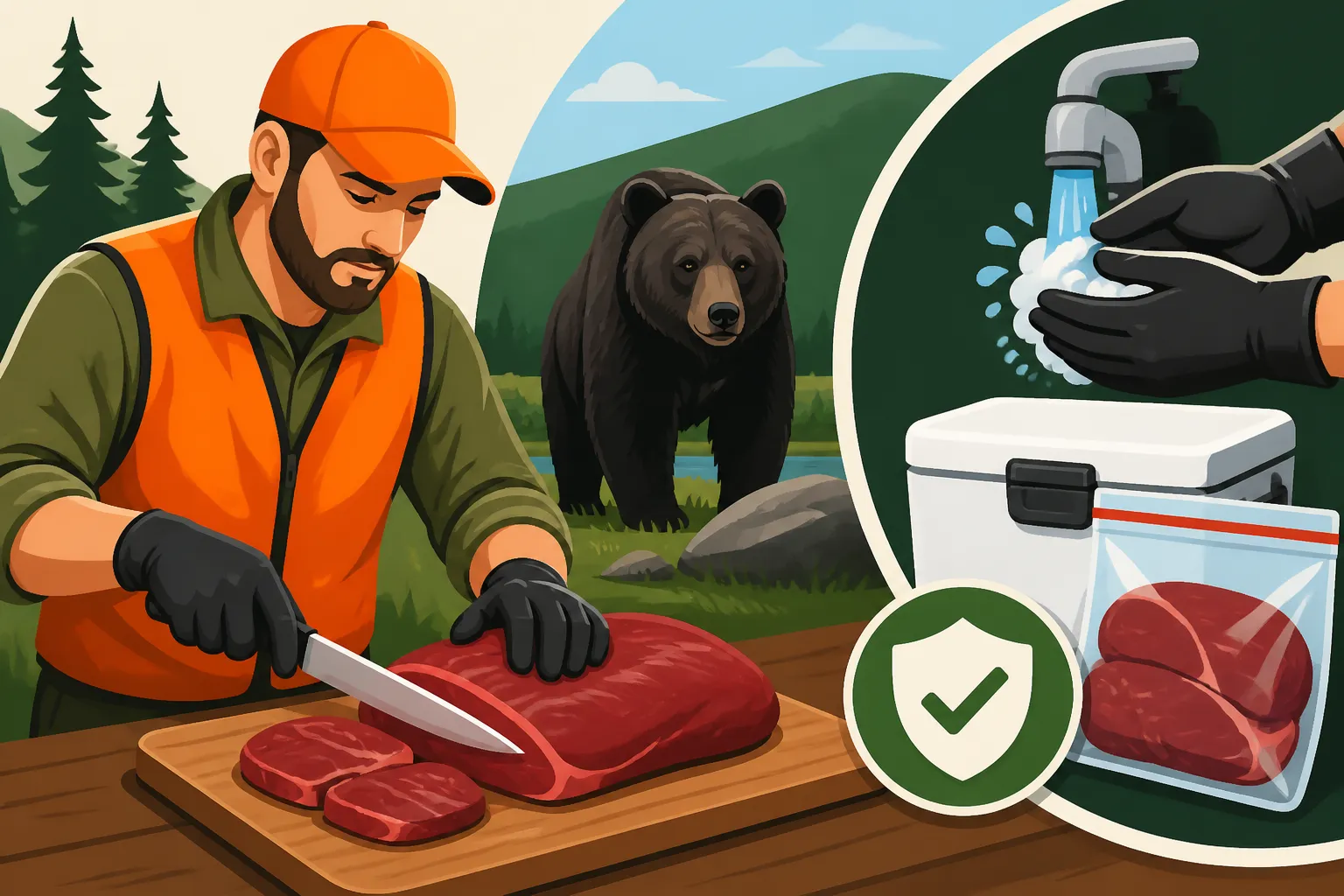
This cannot be stressed enough: cleanliness is paramount throughout the entire process, from field to freezer. Every surface that touches the meat needs to be scrupulously clean. This includes your hands, knives, saws, game bags, coolers, and cutting boards. Bacteria are microscopic and can multiply rapidly, especially in warm conditions. Before you even start field dressing, make sure your knife is sharp and clean. Carry antibacterial wipes or hand sanitizer for your hands, and have clean rags available. After butchering, sanitize all your equipment thoroughly with a bleach solution or food-grade sanitizer.
Think about the chain of contamination. If your knife touches the ground or internal organs, it needs to be wiped clean before it touches muscle meat. Using separate knives for skinning and for meat processing can also reduce cross-contamination. Investing in good quality, easy-to-clean equipment will make this process smoother and safer. A clean kill and a clean process lead directly to clean, delicious meat, ensuring that your efforts hunting Black Bear Hunting in Arkansas are rewarded.
When in Doubt, Throw it Out (or Consult a Pro)
Sometimes, despite your best efforts, things can go sideways. Maybe it was an exceptionally warm day, or perhaps there was an unexpected delay in getting the meat cooled. If you ever have any doubt about the freshness, smell, or appearance of your bear meat, err on the side of caution. It's simply not worth the risk of consuming spoiled or potentially contaminated meat. While it's heartbreaking to lose a portion of your harvest, your health is far more important.
If you're unsure about a specific cut or situation, consider reaching out to a local professional meat processor or even the Arkansas Game and Fish Commission (AGFC) for advice. They often have experience with these kinds of questions and can provide guidance. Resources like GoHunt can also be invaluable for finding reputable processors or connecting with experienced hunters who can offer a second opinion. Don't be afraid to ask for help; responsible hunting includes responsible meat handling. Make sure you're also familiar with all the relevant regulations in your zone, including those for Arkansas Bear Seasons and Zone Quotas and Arkansas Bear Harvest by Zone.
Utilizing All Parts of Your Harvest
A successful bear hunt offers more than just meat. The hide, skull, and even the fat can be valuable resources if properly handled. If you plan to get a taxidermy mount, immediately after skinning, you'll need to cool the hide quickly and get it to a taxidermist or freeze it properly. For skulls, many hunters clean them for display, which requires simmering (not boiling) and careful cleaning. You can find detailed guides on how to do this safely and effectively through hunting community forums, many of which are referenced by platforms like GoHunt.
Bear fat, once rendered down, can be used for cooking, making soap, or even as a lubricant. However, remember the same safety rules apply to rendered fat—it should also be heated to 160°F to ensure any potential Trichinella larvae are destroyed. This dedication to utilizing as much of the animal as possible is a hallmark of ethical hunting and a way to truly honor your harvest. From the delicious meals to a beautiful rug or skull, taking care of every part ensures nothing goes to waste. Before you even head out, having a plan for your bear, whether you're considering Bear Baiting Rules and Tactics in Arkansas or just exploring the Arkansas bear population estimate, will make the post-hunt process much smoother. Don't forget to review guidelines on Bear Encounters in Arkansas Campgrounds to ensure safe practices both in the field and at camp.
Disclaimer
This article is for general informational purposes only and does not constitute professional advice. Laws, prices and regulations vary by location and change over time. Consult a qualified professional for guidance on your specific situation.