Black Bears in the Arkansas Ozarks and Ouachitas
Many hunters dream of chasing big game, and in Arkansas, the majestic black bear offers an incredible challenge. But if you’ve ever felt overwhelmed by the thought of finding these elusive creatures in our vast Ozark and Ouachita forests, or puzzled by the specific rules that govern bear hunting here, you’re not alone. This comprehensive guide will peel back the layers, offering a realistic look at Arkansas's thriving black bear population, where to find them, and how to approach a hunt safely and ethically.
A History of Arkansas Black Bears: From Near Extinction to Thriving Populations
It’s hard to imagine, given the strong populations we have today, but there was a time when the black bear in Arkansas was on the brink. This isn't just a story about a resilient species; it's a testament to dedicated conservation efforts and the willingness of hunters and land managers to work together for a common goal. Understanding this history isn't just a fun fact; it helps us appreciate the health of the herd and the responsibility we bear as hunters.
The Original "Bear State" and Its Decline
Arkansas earned its nickname, "The Bear State," for a very good reason. Historically, the entire state, from the Delta lowlands to the highest Ozark peaks, was teeming with black bears. Early explorers and settlers chronicled vast numbers, often describing encounters with multiple bears in a single day. Bears were a critical part of the ecosystem, integral to Native American cultures, and a significant food source for pioneers. However, as European settlement intensified, things took a drastic turn. Unregulated hunting, coupled with extensive logging and agricultural expansion, decimated prime bear habitat. The magnificent hardwood forests where bears found abundant food and cover were cleared for farms and timber, leaving bears with nowhere to go. By the early 20th century, the state's black bear population had dwindled to a terrifyingly low estimate, possibly fewer than 50 individuals, confined to the most remote corners of the Ouachita Mountains. The "Bear State" was rapidly losing its bears.
The Landmark Restoration Effort of the 1950s and Beyond
Facing the grim reality of losing one of Arkansas's most iconic animals, the Arkansas Game and Fish Commission (AGFC) embarked on a groundbreaking restoration program in the mid-1950s. This wasn't just a minor initiative; it was a concerted, multi-decade effort that stands as one of the most successful large-scale wildlife translocations in North American history. Between 1958 and 1968, 254 wild-trapped black bears were brought from Minnesota and released into the rugged, undeveloped expanses of the Ozark and Ouachita National Forests. These bears, accustomed to wild habitats, adapted remarkably well to their new home. They found ample food, extensive cover, and most importantly, protection from the pressures that had nearly wiped out the native population. This foundational group quickly established breeding populations, and their descendants are the bears we see and hunt today. The success of this program allowed for regulated hunting seasons to reopen in 1980, carefully managed to ensure sustainable growth. You can dive deeper into the history of this remarkable recovery in The 1958 Arkansas Bear Restoration and learn about Where the Restoration Bears Came From.
Current Population Trends and Distribution
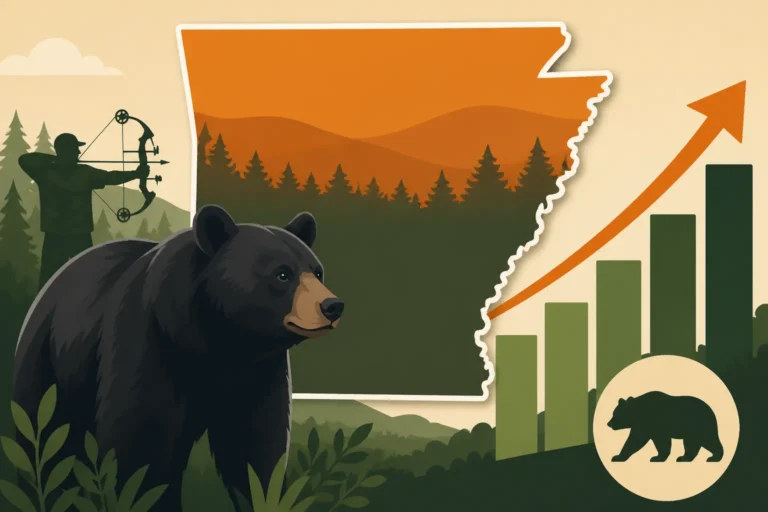
Today, Arkansas boasts a robust and healthy black bear population, estimated to be well over 6,000 animals, and potentially higher. The two primary populations are found in the Ozark and Ouachita mountain ranges, extending into the Arkansas River Valley. These populations have grown and expanded significantly since the restoration. The Ozark population, centered in the Ozark National Forest, ranges across the northwestern and north-central parts of the state. The Ouachita population, found primarily in the Ouachita National Forest, spans west-central and southwestern Arkansas. You can find more specific details on How Many Black Bears Arkansas Has and Where Arkansas Black Bears Live. Interestingly, as bear numbers have increased and habitats have been restored or protected, bears have begun to expand their range, with sightings becoming more common in other parts of the state, including the Delta region, although these peripheral populations are not currently robust enough to support regular hunting seasons. The AGFC continually monitors population trends, harvest data, and habitat conditions to ensure the long-term health and sustainability of these magnificent animals.
Where to Find Black Bears in Arkansas: Key Habitat and Zones
Finding black bears isn't like finding deer that often frequent open fields or clearings. Bears prefer dense cover, vast timber, and areas with abundant natural food sources. Success in bear hunting in Arkansas hinges on understanding their preferred habitats and knowing which zones offer the best opportunities. It’s all about putting in the groundwork before the season even starts.
The Ozark National Forest: Rugged Mountains and Remote Havens
The Ozark National Forest, stretching across northern Arkansas, is a prime black bear habitat, especially its more remote and rugged regions. This vast landscape is characterized by steep, timbered ridges, deep hollows, and dense hardwood forests primarily composed of oak and hickory. These trees are critical for bears, providing a consistent mast crop of acorns and nuts that serves as a primary food source, particularly in the fall. Bears also thrive in the thick undergrowth and brushy areas found in the numerous creek drainages and secluded valleys. Look for areas with a good mix of mature hardwoods, dense bedding cover, and reliable water sources. Public land hunting here can be challenging due to the terrain, but that challenge often translates to less pressure and larger, older bears. Areas like the White Rock Mountain area or the more remote sections of the Ozark National Forest near the Buffalo National River often hold high concentrations of bears. For detailed mapping and public land boundaries, tools like GoHunt can be invaluable in identifying promising looking terrain and access points.
The Ouachita National Forest: Piney Woods and Hardwood Drains
To the south, the Ouachita National Forest offers another extensive bear hunting opportunity, though its character differs somewhat from the Ozarks. While the Ouachitas also boast significant hardwood stands, especially in bottomlands and along drainages, large sections are dominated by pine plantations and managed timberlands. Bears utilize these pine forests for bedding cover and travel corridors, particularly if there are interspersed hardwood pockets or areas of natural regeneration that provide food. The key here is to focus on the transition zones between pine and hardwoods, or the hardwood-rich creek bottoms and drainages that snake through the pine country. These areas provide both the dense cover bears need for security and the diverse food sources from the hardwoods. Water is also crucial, so don't overlook areas near springs, creeks, or small impoundments. Pay close attention to areas that have undergone recent timber management, as regenerating clearcuts can offer an abundance of berries and young growth that bears forage on.
Identifying Key Bear Sign and Travel Corridors
Finding bear sign is paramount to locating bears. Unlike deer sign which can be subtle, bear sign is often more robust. Scat is a tell-tale sign, and its contents can give you clues about what bears are eating – often indicating recent acorn consumption in the fall or berries in late summer. Tracks are another obvious sign, especially in soft soil along creek beds or muddy logging roads. Look for large, five-toed paw prints. Rubs on trees, where bears scratch or bite trunks, can indicate a bear's presence, often marking territorial boundaries or simply an itch. Torn-up logs and overturned rocks are signs of bears foraging for insects, grubs, and roots. In the fall, focus on areas with heavy mast crops – oak flats with abundant acorns will draw bears in like a magnet. When scouting, think about how a bear moves through the landscape. They often follow creek bottoms, ridge lines, and old logging roads as natural travel corridors between feeding and bedding areas. Understanding these movements is key to setting up effectively. For more specific tips on Finding Bear Sign in the Ozarks, checking those remote areas on your GoHunt mapping app can help you pinpoint promising spots.
Understanding Bear Behavior and Biology for Hunters
Black bears are intelligent, adaptable animals, and their behavior is heavily influenced by the seasons and the availability of food. To successfully hunt bears, you need to think like one – understanding their annual cycle, preferred diet, and daily routines will dramatically increase your chances. It’s not just about being in the right place, but being there at the right time, when the bears are most active and predictable.
Seasonal Activity Patterns: Denning, Foraging, and Breeding
A black bear's life revolves around the seasons, primarily driven by the need to put on enough fat reserves to survive winter denning.
- Spring: When bears emerge from their dens, usually in March or April, they are often lean and hungry. Their initial focus is on easily digestible greens, grasses, and succulent new growth. They'll also actively seek out any carrion that might be available. This is also the time when cubs from the previous year, now yearlings, might be separated from their mothers.
- Summer: As spring progresses into summer, bears transition to a diet rich in berries (blackberries, blueberries, raspberries) and insects. This is a critical period for sows to regain weight and for all bears to continue building fat. Breeding usually occurs from late May through July. During this time, boars will travel extensively searching for receptive females, making them more visible.
- Fall: This is the most crucial period for fat accumulation, known as hyperphagia. Bears gorge themselves on mast crops like acorns, hickory nuts, and pecans. This intense feeding can last well into late fall, right up until they enter their dens, typically in November or December. Hunters often target this period due to the bears' predictable feeding patterns.
- Winter: Bears enter a state of torpor in their dens, surviving on stored fat. While not true hibernation, their metabolic rate slows significantly. Dens can be anything from hollow logs and rock crevices to brush piles or excavated ground dens.
Understanding these patterns is vital for timing your hunt and predicting where bears will be.
Natural Food Sources: Acorns, Berries, and Insects
Arkansas black bears are omnivores, meaning they eat both plants and animals, but their diet is overwhelmingly plant-based, especially during spring, summer, and fall.
- Acorns: By far the most critical food source in the fall, acorns (from various oak species like red oak, white oak, and pin oak) are calorie-dense and abundant throughout the Ozark and Ouachita forests. When scouting, identifying areas with a heavy acorn drop is paramount. Bears will literally spend weeks in a productive oak flat, gorging themselves. This makes Hunting Arkansas Bear on Acorns a primary tactic for many successful hunters.
- Berries: Blackberries, blueberries, raspberries, and pokeberries are vital summer food sources. These sugary fruits provide quick energy and help bears put on weight. Look for dense berry patches, often found in regenerating clearcuts, forest edges, or along old logging roads.
- Insects: Ants, grubs, and beetle larvae are a constant protein source. Bears will tear apart rotting logs, overturn rocks, and dig into ant hills to find these nutrient-rich snacks. This activity can leave distinctive sign for hunters to interpret.
- Other Forage: Bears also eat roots, tubers, mushrooms, wild grapes, and various herbaceous plants. Occasionally, they'll prey on fawns, small mammals, or scavenge carrion, but this makes up a smaller portion of their diet.
Knowing what bears are eating and when helps you narrow down potential hunting spots significantly.
Bear Habits and Habitat Use Throughout the Year
Bears are highly adaptable, but they generally seek out areas that provide a combination of dense cover, water, and food.
- Bedding: During the day, bears often bed down in thick, impenetrable cover – dense pine thickets, laurel slicks, heavy brush, or areas with blowdowns. They want to feel secure and hidden. Their bedding areas are usually close to food sources, minimizing the energy expenditure needed to travel.
- Feeding: As discussed, feeding areas shift with the seasons, from lush green sprouts in spring to berry patches in summer and acorn flats in fall. Bears can travel considerable distances between feeding areas, especially if preferred food sources are scattered.
- Water: Like all animals, bears need water. They will frequent creeks, rivers, springs, and even small ponds. These water sources often serve as natural travel corridors, as bears follow them from one area to another.
- Travel Corridors: Bears often use the path of least resistance. This means following ridgelines, creek bottoms, old logging roads, and even established game trails. These are excellent places to focus your scouting and stand placement efforts, as bears will use them to move between bedding, feeding, and watering areas. Mapping tools like GoHunt can reveal these topographical features and potential travel routes, helping you predict bear movements even before you step foot in the woods.
By piecing together their seasonal behaviors with their habitat preferences, you can develop a solid strategy for your Arkansas bear hunt.
Arkansas Bear Hunting Seasons, Limits, and Regulations
Hunting black bears in Arkansas isn't a free-for-all; it's a carefully regulated activity designed to maintain healthy populations while providing hunting opportunities. The AGFC manages bear hunting through a system of zones, quotas, and specific season dates. Failing to understand these rules can not only lead to a violation but also harm conservation efforts. It's crucial to be informed and compliant.
Navigating Zone Quotas and Season Dates
Arkansas is divided into Bear Zones, and each zone has its own specific season dates and, critically, a quota. A quota means that once a predetermined number of bears are harvested in a particular zone, that zone's season closes immediately, regardless of the scheduled end date. This is how the AGFC manages harvest to ensure population sustainability.
- Season Dates: Bear season typically opens in the fall, often overlapping with early deer archery seasons. There might be archery-only periods, followed by modern gun seasons. These dates can vary slightly year to year and by zone, so always check the latest AGFC regulations. Some zones may have shorter seasons or even be closed if populations are still recovering.
- Zone Quotas: The quota system is probably the most critical aspect for bear hunters. The AGFC sets a maximum number of bears that can be harvested in each zone. Once that number is met, the season for that zone is closed to further harvest. This means a season could potentially end after just a few days if harvest rates are high. Hunters must actively monitor the AGFC website or use their phone app to check the status of their chosen bear zone daily. This is a common point of confusion and frustration for new bear hunters, so pay close attention. You can learn more about Arkansas Bear Seasons and Zone Quotas and how the How a Bear Zone Closes Mid-Season impacts your hunt.
Arkansas Black Bear Hunt Zones & Quotas (Illustrative Example, Always Check Current AGFC Regs)
| Bear Zone | Primary Counties Included | Typical Archery Dates (Approx.) | Typical Modern Gun Dates (Approx.) | Antlered Buck Limit | Quota (Example) | Notes |
|---|---|---|---|---|---|---|
| 1 | Newton, Searcy, Stone, Baxter, Marion, Boone | Sept 25 – Nov 30 | Nov 10 – Nov 19 | N/A | 150 | Primarily Ozark Mountains, often closes early |
| 2 | Franklin, Logan, Johnson, Pope, Yell, Conway, Faulkner | Sept 25 – Nov 30 | Nov 10 – Nov 19 | N/A | 200 | Arkansas River Valley transition, consistent |
| 3 | Scott, Garland, Montgomery, Polk, Perry, Saline, Grant | Sept 25 – Nov 30 | Nov 10 – Nov 19 | N/A | 100 | Ouachita Mountains, varying pressure |
| 4 | Hot Spring, Clark, Pike, Howard, Hempstead, Nevada, Sevier | CLOSED (or limited youth hunt) | CLOSED (or limited youth hunt) | N/A | 5 | Limited or no open season due to lower populations |
This table provides illustrative dates and quotas only. Always consult the current Arkansas Game and Fish Commission hunting regulations for precise and up-to-date information before planning your hunt. Season dates and quotas are subject to change annually.
Tagging, Checking, and Transport Requirements
Once you successfully harvest a bear, the process doesn't end. There are strict requirements for reporting your harvest and handling the animal:
- Tagging: Immediately after harvest, you must attach your bear tag to the animal. This tag is provided with your license and ensures that the bear is legally taken by a licensed hunter.
- Checking: All harvested bears in Arkansas must be checked within 12 hours of harvest. This can be done online through the AGFC website, via their mobile app, or by phone. During the checking process, you'll provide information about the harvest location, date, and other details. The AGFC uses this data to monitor harvest trends and manage populations. This is also how they track the quota.
- Physical Inspection: While not always required for every bear, be prepared that AGFC personnel may request to inspect your bear. This typically happens at designated check stations in high-harvest areas or if there are specific research needs. They might collect biological samples (e.g., a tooth for aging) to help with population management.
- Transport: You can transport your bear within Arkansas, but specific rules apply, especially if you plan to cross state lines. Ensure you understand all regulations regarding Arkansas Bear Checking Requirements and the movement of game meat.
Specific Rules for Baiting and Other Methods
Arkansas has specific regulations regarding hunting methods, particularly baiting:
- Baiting: Bear baiting is legal in Arkansas, but it comes with strict guidelines. You must register your bait site with the AGFC, clearly mark it, and adhere to specific distance requirements from roads and other property lines. There are also restrictions on what kind of bait can be used. Many hunters utilize baiting to attract bears to a specific location for a shot, especially in areas with dense cover where natural food sources are unpredictable. However, even with bait, bears can be incredibly wary. For an in-depth look, see Bear Baiting Rules and Tactics in Arkansas and Arkansas Bear Baiting Rules.
- Hunting with Dogs: Hunting bears with dogs is not permitted in Arkansas. This is a significant difference from some other states that allow it.
- Archery, Muzzleloader, Modern Gun: Bears can be hunted with archery equipment, muzzleloaders, and modern firearms during their respective seasons. Always confirm caliber and projectile restrictions in the current regulations. Shot placement on a bear is critical, and a powerful, accurate weapon is essential.
- Electronic Calls: The use of electronic calls to attract bears is generally prohibited. Always check the regulations for any specific exceptions.
Understanding and following these regulations is not just about staying legal; it's about respecting the animal and contributing to responsible wildlife management.
Effective Hunting Tactics for Arkansas Black Bears
Hunting black bears in Arkansas, whether in the rugged Ozarks or the dense Ouachitas, requires a blend of patience, persistence, and strategic thinking. It's often a game of chess, anticipating their moves rather than just reacting. Success comes from putting yourself in the right place at the right time, with the right knowledge.
Hunting Over Natural Food Sources: Acorn Flats and Berry Patches
Perhaps the most traditional and rewarding method of bear hunting in Arkansas is to focus on natural food sources. Bears are driven by their stomachs, especially in the fall as they prepare for denning.
- Acorn Flats: In the fall, red and white oak acorns are a bear's absolute primary food source. Once you locate a good acorn crop – and not all oak trees produce every year – you've found a high-probability bear area. Scout extensively to identify which specific oak flats are dropping heavily. Look for fresh cuttings (acorn pieces chewed by squirrels and deer), but more importantly, look for bear sign: scat, tracks, and turned-over leaves where they've been rooting for acorns. Bears will often return to the same productive flat day after day until the food source is depleted. This makes Hunting Arkansas Bear on Acorns a key strategy. Setting up a treestand or ground blind downwind of these areas, ideally along a travel corridor leading to or from the flat, is an excellent tactic. Be prepared to sit for extended periods, especially during midday, as bears may feed at any time, though dawn and dusk are often peak activity times.
- Berry Patches: During the late summer and early fall, before the full acorn drop, berry patches can be magnets for bears. Blackberries, blueberries, and even pokeberries provide essential calories. These are often found in regenerating clearcuts, old fields, or along the edges of timber. Locate dense patches with fresh bear sign and set up for a morning or evening ambush. The challenge here is that berry patches can be quite thick, making visibility and shot opportunities limited.
When hunting natural food sources, remember that bears can be incredibly subtle. They move quietly, and often approach from unexpected directions. Patience and a keen eye are your best assets.
Bear Baiting Rules and Tactics in Arkansas
Bear baiting is a popular and legal hunting method in Arkansas, offering hunters a way to attract bears to a specific, controlled location. However, it's a labor-intensive approach that requires commitment and adherence to strict regulations.
- Legal Requirements: As mentioned earlier, all bait sites must be registered with the AGFC and clearly marked. There are specific rules regarding the type of bait (e.g., no domestic animal parts), proximity to roads, and property lines. Failing to follow these rules can result in significant penalties. It's critical to review Bear Baiting Rules and Tactics in Arkansas thoroughly before setting up a bait site.
- Bait Selection and Setup: Bears are opportunistic omnivores, but they have a sweet tooth. Common baits include pastries, donuts, dog food, corn, and discarded restaurant grease. The key is to use highly aromatic and caloric foods to draw them in and keep them coming back. You’ll need a durable bait container, often a heavy barrel or culvert pipe secured to a tree, to prevent bears from quickly consuming all the bait and to encourage them to work at it, spending more time at the site. Consistent replenishment is vital; once a bear starts visiting, you want to keep them coming back regularly.
- Stand Placement: Once bears are consistently visiting your bait site, the next step is strategic stand placement. Your stand or blind should be downwind of the bait, offering a clear shooting lane while minimizing your scent dispersal. Consider prevailing winds and thermal currents, especially in mountainous terrain. The distance from the bait needs to allow for a comfortable, ethical shot, typically 20-30 yards for archery and slightly further for firearms. Use GoHunt to visualize wind patterns and topography around your bait site.
- Patience and Persistence: Baiting doesn't guarantee a bear. Bears can be nocturnal, or incredibly wary, especially if they've been hunted before. Consistent monitoring (often with trail cameras, where permitted) helps you understand their patterns. Be prepared to sit for long hours, and don't get discouraged if it takes time.
Spot and Stalk in Rugged Terrain
While challenging, spot and stalk hunting for bears in Arkansas can be incredibly rewarding, especially in the more open, sparsely vegetated areas of the Ozarks or large clearcuts. This method demands excellent woodsmanship, physical fitness, and exceptional glassing skills.
- Terrain Selection: Focus on areas with good visibility, such as recent clearcuts, powerline rights-of-way, or open hardwood ridges. These areas allow you to use optics to spot bears from a distance before they spot you. Early morning or late evening, when bears are often more active, can be prime times for spotting.
- Using Optics: High-quality binoculars (10×42 or 12×50) and a spotting scope are indispensable. Methodically glass every bit of potential cover – the edges of thickets, shadowed ravines, and the base of large trees where a bear might be bedded or foraging. Bears can blend into their surroundings surprisingly well, so look for a patch of black, a subtle movement, or an ear twitch.
- The Stalk: Once a bear is spotted, the real challenge begins. A successful stalk requires impeccable wind discipline, silent movement, and careful use of terrain to remain undetected. Plan your approach meticulously, using hills, drainages, and thick vegetation for cover. Take your time, sometimes hours, to get into a shooting position. This is where a good mapping app like GoHunt helps you anticipate changes in terrain and plan the most stealthy route. Be prepared for a quick shot if the bear becomes aware of your presence or starts to move.
Regardless of the method, remember that bears are powerful, intelligent animals. Always prioritize safety and ethical shot placement. When Checking Whether an Arkansas Bear Zone Is Open you want to have a plan in place.
Safety and Ethical Considerations When Hunting Bears
Hunting black bears is an exhilarating experience, but it comes with a significant responsibility. Ethical hunting practices and a strong emphasis on safety are paramount, not just for your well-being but for the future of bear hunting in Arkansas. This means knowing what to do in an encounter, ensuring a clean kill, and properly caring for your harvest.
Handling Bear Encounters and Aggression
While black bears are generally shy and avoid human contact, encounters can happen, especially if a bear is surprised, has cubs, or is protecting a food source. Understanding bear behavior is key to managing these situations safely.
- Preventing Encounters: The best defense is a good offense. Make noise while hiking, especially in dense cover, to avoid surprising a bear. Store food properly and don't leave attractants around your camp. Be especially vigilant if you are hunting with Bear Baiting Rules and Tactics in Arkansas in effect, as these sites will naturally attract bears.
- If You Encounter a Bear:
- Stay Calm: Panicking can escalate the situation.
- Identify Yourself: Speak in a calm, firm voice. Wave your arms slowly to appear larger.
- Do Not Run: Running can trigger a chase response.
- Back Away Slowly: Give the bear space to escape. Avoid direct eye contact.
- If the Bear Charges (Bluff Charge): Most charges are bluff charges, where the bear stops short. Stand your ground, continue to make noise, and prepare to defend yourself.
- If the Bear Makes Contact (Defensive Attack): Fight back aggressively with anything you have (knife, gun, rocks, sticks). Aim for the face and snout.
- If the Bear Attacks Predominantly (Rare): These attacks are typically silent and unprovoked. Fight back as if your life depends on it.
- Carrying Protection: When bear hunting, carrying bear spray and being proficient with your firearm for defense are wise precautions, even though black bear attacks are rare. Knowing how to react calmly and decisively is your best tool.
Proper Shot Placement and Tracking Wounded Bears
Ethical hunting dictates a clean, humane kill. This is especially true for bears, which are incredibly tough animals.
- Shot Placement: The ideal shot for a black bear is the same as for deer: the lung/heart area, often referred to as the "boiler room." This is a broadside shot, just behind the shoulder, aiming for the opposite leg. This shot severs major arteries and collapses the lungs, leading to a quick, humane death. Avoid shoulder shots unless absolutely necessary, as they can wound a bear and lead to a difficult track. A head-on shot is also risky due to the small brain target and heavy bone structure. If a bear is quartering away, aim for the opposite shoulder to pass through the vitals. Always refer to diagrams and practice to ensure you understand Shot Placement on a Black Bear.
- Tracking Wounded Bears: Bears can be notoriously difficult to track, often leaving minimal blood trails, especially if shot high. If you shoot a bear and it runs, wait a sufficient amount of time (at least 30-60 minutes for a clear hit, several hours for a questionable hit) to allow the bear to expire. Mark the shot location and the last spot you saw the bear. Follow the blood trail meticulously, looking for any sign – broken branches, hair, disturbed leaves. If the trail is lost, expand your search in concentric circles. Consider calling experienced trackers or using a tracking dog (where legal and available). Never assume a bear is dead; approach a downed bear cautiously from behind, watching for any movement. A wounded bear can be dangerous.
Field Dressing, Meat Care, and Hide Preservation
Proper care of your harvest ensures you honor the animal and utilize its resources. Bear meat is excellent, and the hide can make a beautiful trophy.
- Field Dressing: Bears retain a lot of heat, so field dressing quickly is crucial, especially in warmer weather. Gutting the bear helps it cool down rapidly. Roll the bear onto its back, carefully open the cavity, and remove all internal organs. Once gutted, prop the cavity open to allow for airflow. If possible, rinse the cavity with water.
- Cooling the Carcass: Bears have a thick layer of fat, which acts as insulation and can cause the meat to spoil quickly if not cooled. Get the carcass to a cool place as soon as possible. If transporting over a long distance, pack the cavity with ice. If you plan to quarter the bear in the field, get the quarters into game bags and on ice immediately. For more tips on Handling Bear Meat and Hide safely, especially in a warmer climate, proper cooling is key.
- Hide Preservation: If you plan to have the hide tanned or mounted, skin the bear as soon as possible. Salt the hide heavily and roll it up for transport to a taxidermist or tanner. If you can't get it to a professional immediately, freezing the hide (well-salted) is an option. Make sure to clearly communicate your intentions (rug, full mount, skull) to your taxidermist.
Respecting the animal by ensuring a quick, humane kill and proper care of the harvest is the hallmark of an ethical bear hunter.
Challenges and Conservation: The Future of Arkansas Black Bears
The story of black bears in Arkansas is a conservation success, but it's an ongoing narrative. Challenges persist, from habitat management to human-bear interactions, and hunters play a critical role in ensuring these magnificent creatures continue to thrive for generations to come.
The Role of Habitat Management and Preservation
The health of Arkansas's black bear population is intrinsically linked to the health of its forests. As populations grow and human development expands, managing and preserving critical bear habitat becomes even more important.
- Forestry Practices: Sustainable forestry practices in the Ozark and Ouachita National Forests are vital. This includes managing timber harvests in a way that creates a mosaic of habitat types – dense young growth for cover, mature hardwoods for mast, and diverse understory vegetation for forage. This balance is crucial for a thriving bear population.
- Connectivity: Maintaining habitat connectivity is also key. Bears are wide-ranging animals, and they need corridors to move between different habitat blocks, to find new food sources, and for genetic diversity. Road construction, urban sprawl, and agricultural expansion can fragment habitat, isolating bear populations and making them more vulnerable.
- Acorn Production: Climate change and unpredictable weather patterns can impact acorn production, a critical fall food source for bears. Understanding these fluctuations and managing other food sources becomes a crucial part of the AGFC's strategy.
- Hunter Involvement: Hunters often serve as eyes and ears on the ground, reporting changes in habitat or observing bear behavior. Participation in conservation groups that advocate for responsible land management also contributes directly to bear preservation.
Managing Human-Bear Conflicts
As bear populations expand and their range extends, interactions with humans are becoming more frequent. While most black bears are shy, conflicts can arise, particularly when bears become habituated to human food sources.
- Food Conditioning: This is the primary driver of human-bear conflict. When bears learn to associate humans with food (e.g., raiding trash cans, bird feeders, pet food, or campsites), they can become bolder and lose their natural fear. These "nuisance bears" are often the ones that create dangerous situations and may ultimately have to be removed or euthanized.
- Education: Educating the public on how to coexist with bears is crucial. This includes proper food storage in bear country, securing trash, and removing attractants from yards. Organizations like the AGFC actively promote "Bear Aware" programs.
- Hunter's Role: Ethical hunters understand the importance of not feeding bears, either intentionally or unintentionally. A well-managed hunting season also helps to keep bear populations at a healthy level that the habitat can support, potentially reducing conflicts as bears are less pressured to find food in human-populated areas. By following rules like Arkansas Bear Baiting Rules, hunters contribute to a safe human-bear interface.
Conservation Efforts and Hunter Contributions
The success of Arkansas's black bear story is a powerful example of successful conservation.
- AGFC Management: The Arkansas Game and Fish Commission continues to be at the forefront of bear conservation, using scientific data, harvest monitoring, and habitat management to ensure the long-term health of the species. Their work, from setting quotas to managing zones like those outlined in Arkansas Bear Seasons and Zone Quotas, is based on sound ecological principles.
- Hunter Funding: Hunters play a direct and vital role in funding these conservation efforts. Through the purchase of hunting licenses, tags, and excise taxes on hunting equipment (Pittman-Robertson Act), hunters contribute millions of dollars annually that directly support wildlife research, habitat acquisition, and management programs, including those benefiting black bears.
- Responsible Hunting: By adhering to regulations, practicing ethical hunting, and reporting observations, hunters are active participants in conservation. They provide valuable data to biologists and help maintain healthy ecosystems. The future of black bears in Arkansas relies on continued sound management, public education, and the ongoing commitment of the hunting community.
Disclaimer
Please remember that hunting regulations and season dates can change annually. It is always the hunter's responsibility to consult the most current Arkansas Game and Fish Commission regulations before participating in any hunting activity. This guide is for informational purposes only and should not be considered a substitute for official AGFC publications.